A casual conversation between graduate students helped spark a breakthrough in aging research at Mayo Clinic. Researchers discovered that tiny synthetic DNA molecules called aptamers can selectively attach to senescent “zombie cells,” which are linked to…
A groundbreaking Swedish study that tracked people for nearly 50 years has revealed when the body’s physical decline quietly begins. Researchers found that fitness, strength, and muscle endurance start slipping around age 35, with the decline accelerating…
A daily multivitamin may help slow biological aging, according to researchers studying older adults in a large clinical trial. After two years, participants taking multivitamins showed slower aging in several DNA-based “epigenetic clocks,” with the effect…
Scientists at UBC Okanagan have uncovered how plants produce mitraphylline, a rare natural compound with promising anti cancer potential. The team identified two enzymes that work together to build the molecule’s unusual twisted structure, solving a…
Staying strong may be one of the biggest secrets to living longer — especially for older women. A major study of more than 5,000 women found that simple signs of muscle strength, like a firm hand grip or the ability to quickly stand up from a chair, were…
Rebooting the gut microbiome with bacteria from youth may help stop aging-related liver damage and even prevent liver cancer, according to new research in mice.…
A new study shows that listening to your own favorite workout music can dramatically boost endurance. Cyclists exercising with self-selected songs lasted nearly 20% longer than when riding in silence, yet they didn’t feel more exhausted at the end.…
A little-known tree from Brazil’s Atlantic Forest may hold a surprising weapon against COVID-19. Researchers discovered that compounds called galloylquinic acids, extracted from its leaves, can attack SARS-CoV-2 on multiple fronts—blocking the virus from…
Scientists in Sweden have taken a major step toward a potential cure for type 1 diabetes by developing a more reliable way to create insulin-producing cells from human stem cells.…
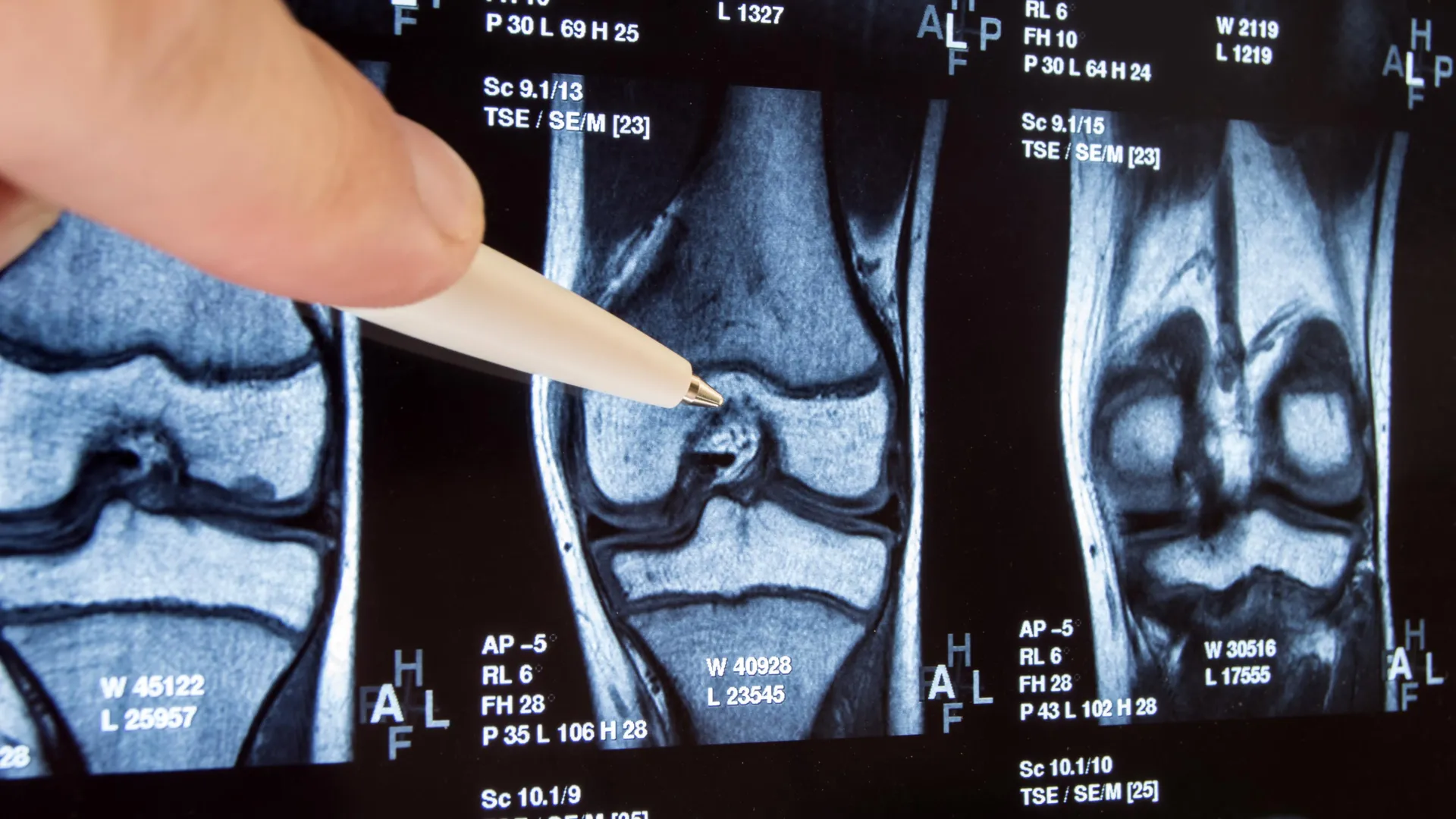
A major 10-year clinical trial is turning one of the world’s most common knee surgeries on its head. Researchers found that trimming a damaged meniscus—a procedure long believed to relieve pain—offers no real benefit over placebo surgery.…
A new study suggests travel could be a surprisingly powerful anti-aging tool. By viewing tourism through the lens of entropy, researchers found that positive travel experiences may help the body stay balanced and resilient.…
Drugs designed to clear amyloid beta from the brain—once seen as a promising path to slowing Alzheimer’s—may not actually help patients in any meaningful way, according to a major review of over 20,000 participants.…
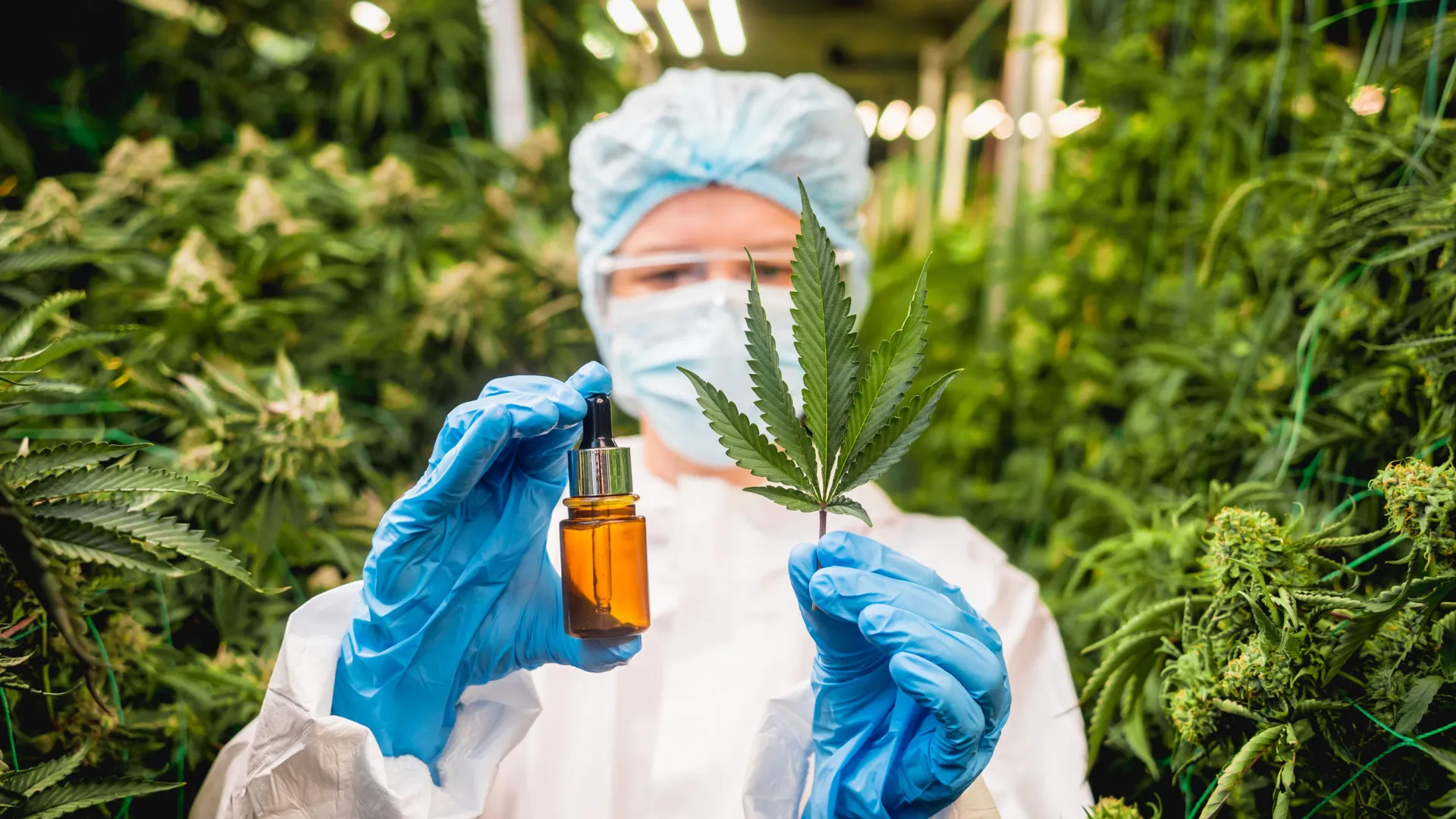
Scientists have uncovered a surprising new layer of complexity in Cannabis, identifying dozens of previously unknown compounds—including the first-ever evidence of rare molecules called flavoalkaloids in its leaves.…
Fish oil has long been praised as brain-boosting, but new research suggests the story may be more complicated. Scientists found that in people with repeated mild head injuries, a key omega-3 fatty acid in fish oil—EPA—may actually interfere with the…
Scientists have uncovered how graphene oxide pulls off a remarkable trick: it hunts down and destroys harmful bacteria while leaving human cells completely unharmed.…
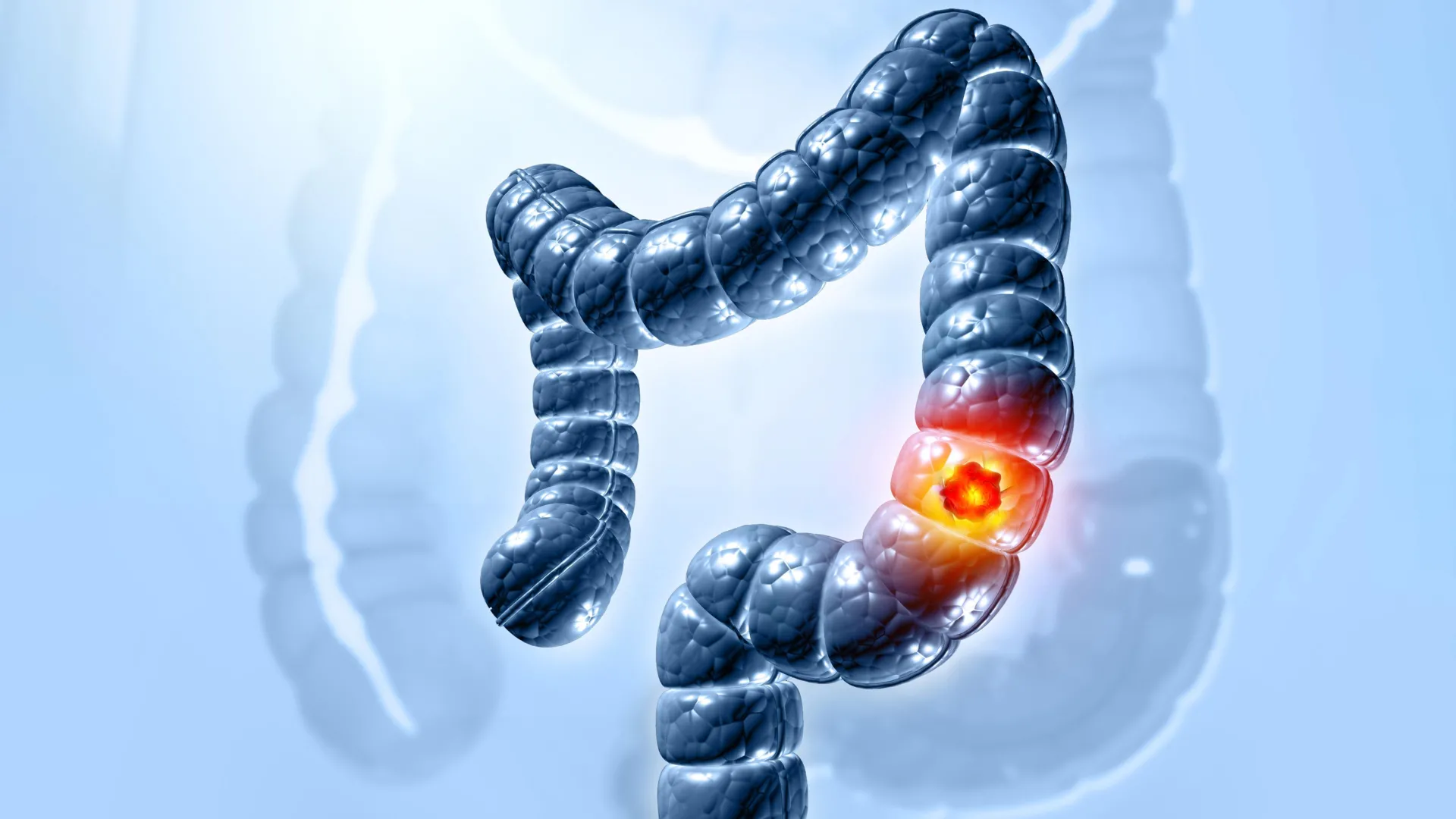
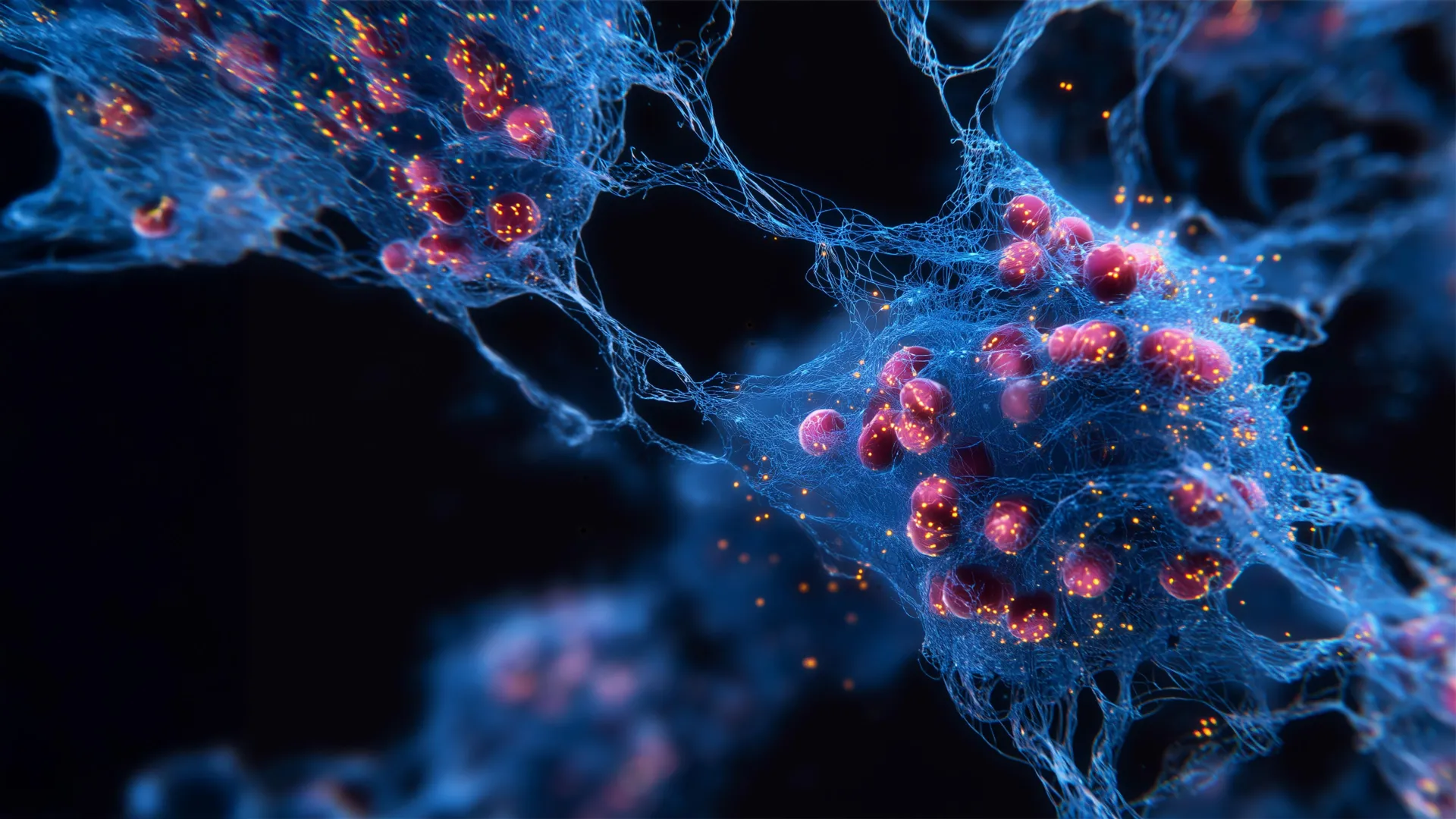
A newly discovered virus hiding inside a common gut bacterium could help explain one of medicine’s long-standing mysteries: why a microbe found in both healthy people and cancer patients is linked to colorectal cancer.…
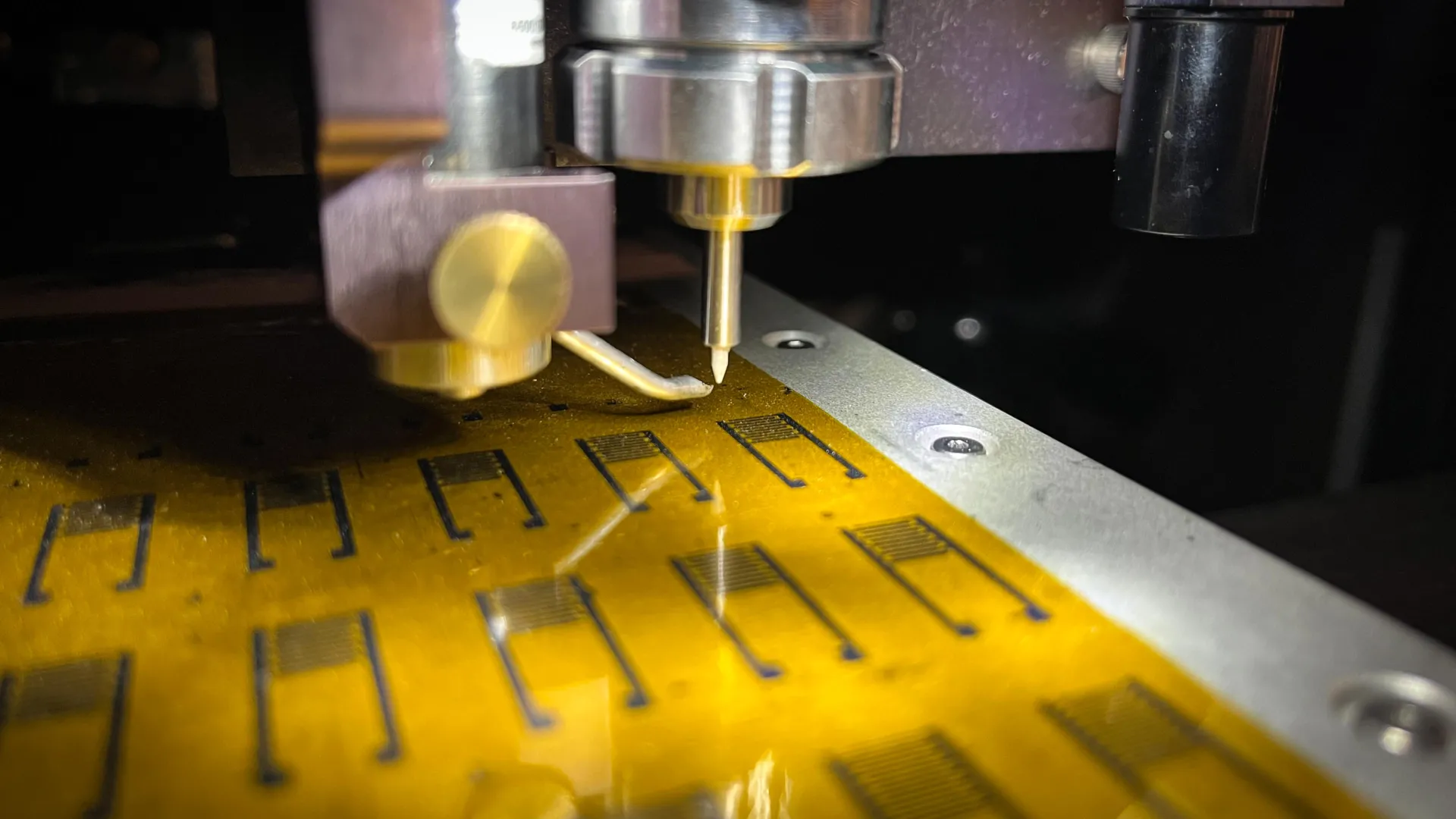
Engineers at Northwestern University have taken a striking leap toward merging machines with the human brain by printing artificial neurons that can actually communicate with real ones.…
A surprising new study suggests that eating a very healthy diet—packed with fruits, vegetables, and whole grains—might be linked to a higher risk of lung cancer in younger non-smokers.…
A hormone called FGF21 can reverse obesity in mice by activating a newly identified brain circuit tied to metabolism. Surprisingly, it works in the hindbrain—the same region targeted by GLP-1 drugs like Ozempic and Wegovy—but through a completely…
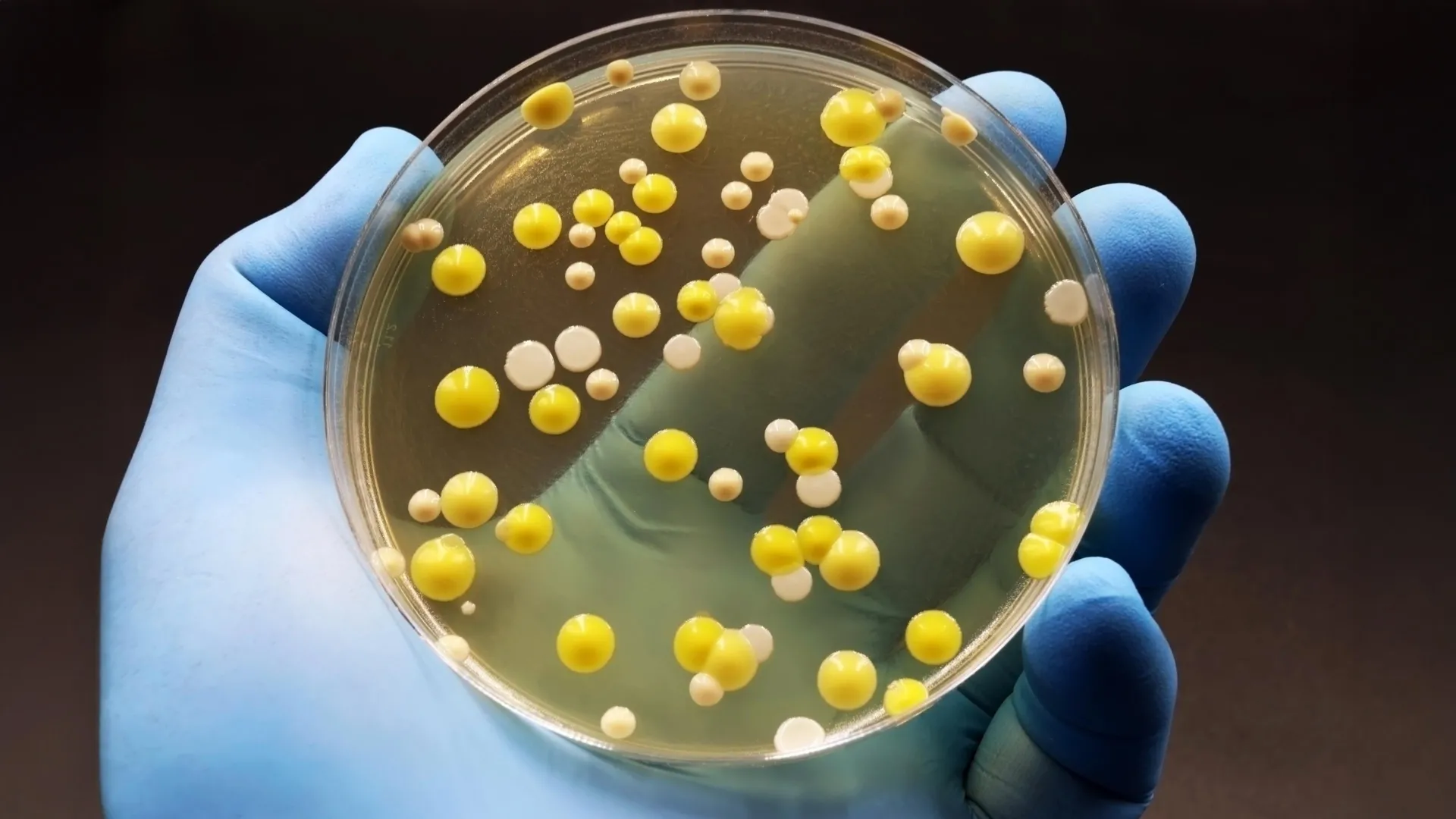
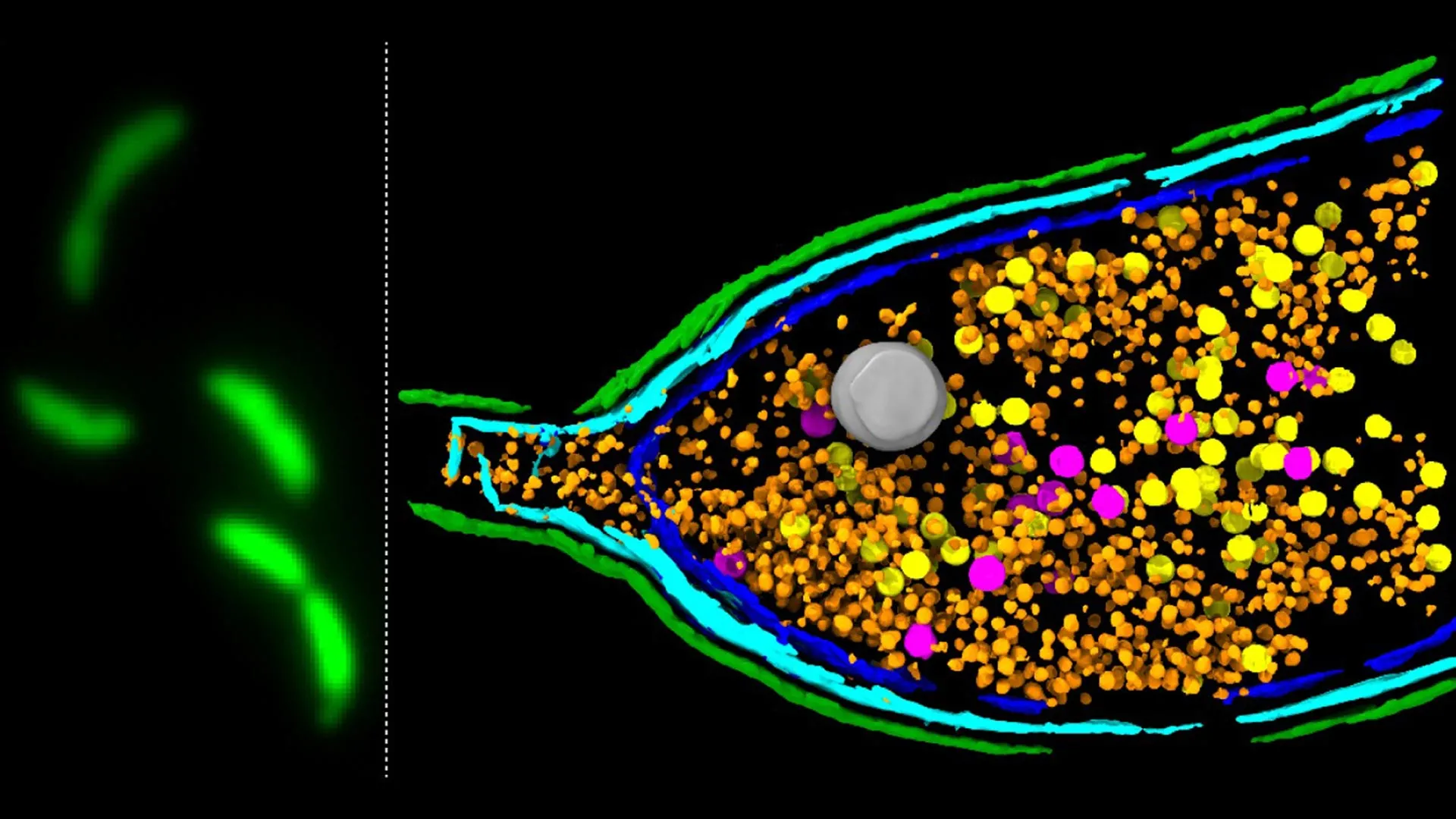
Scientists have uncovered a surprising twist in how bacteria share genes—including those that spread antibiotic resistance. Tiny virus-like particles called gene transfer agents (GTAs), once ancient viral invaders, have been repurposed by bacteria into…