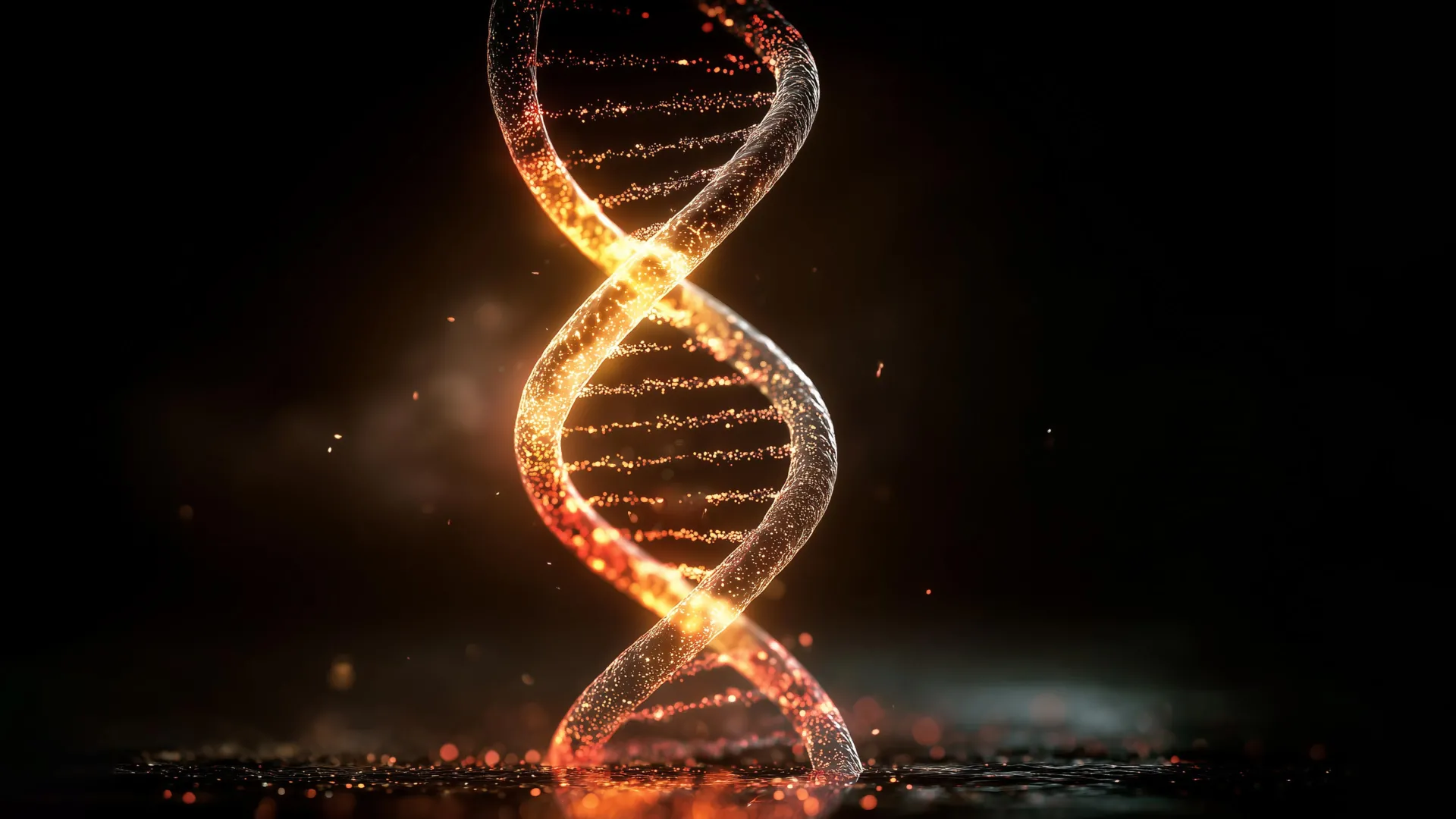
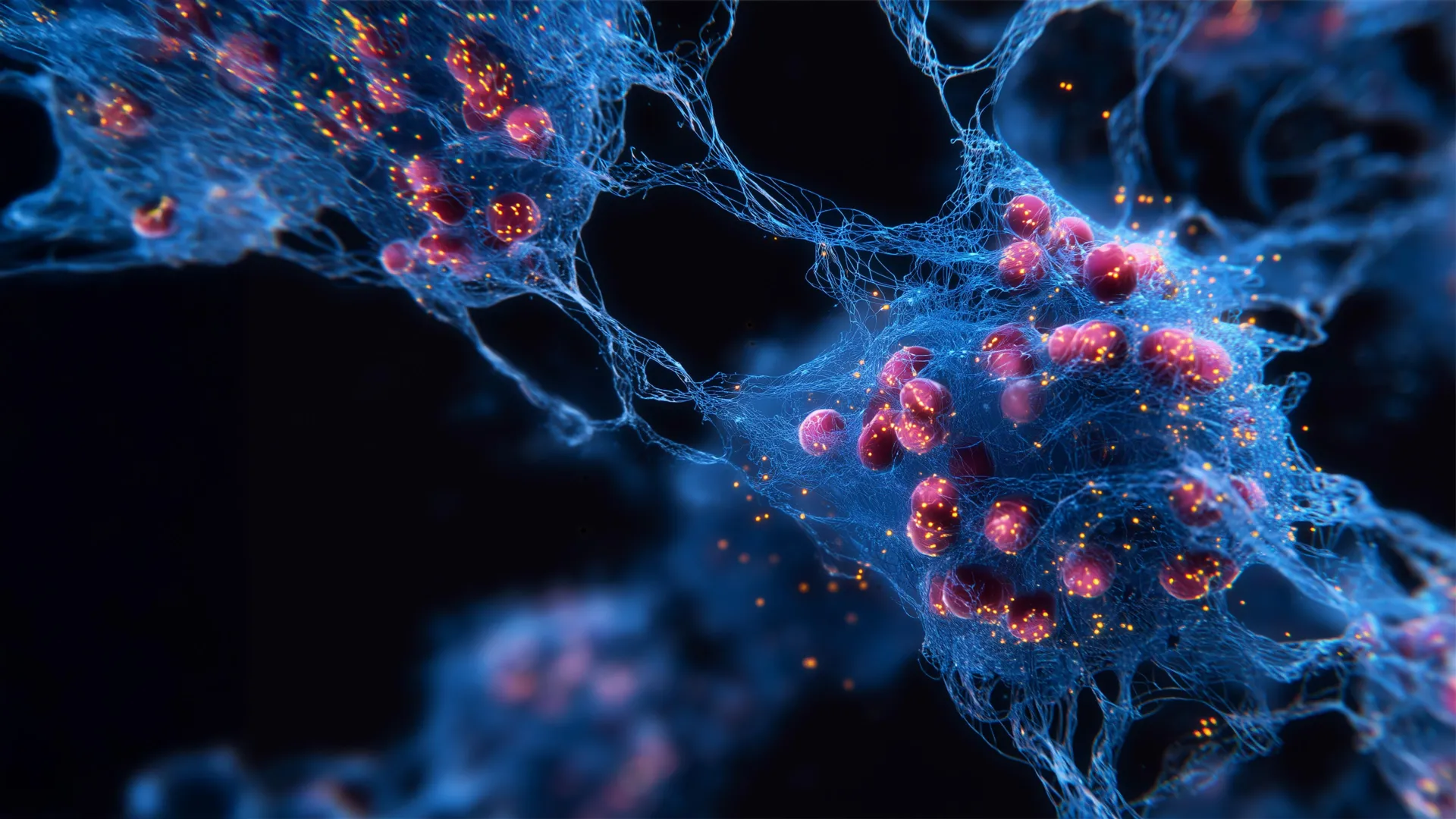
A casual conversation between graduate students helped spark a breakthrough in aging research at Mayo Clinic. Researchers discovered that tiny synthetic DNA molecules called aptamers can selectively attach to senescent “zombie cells,” which are linked to…
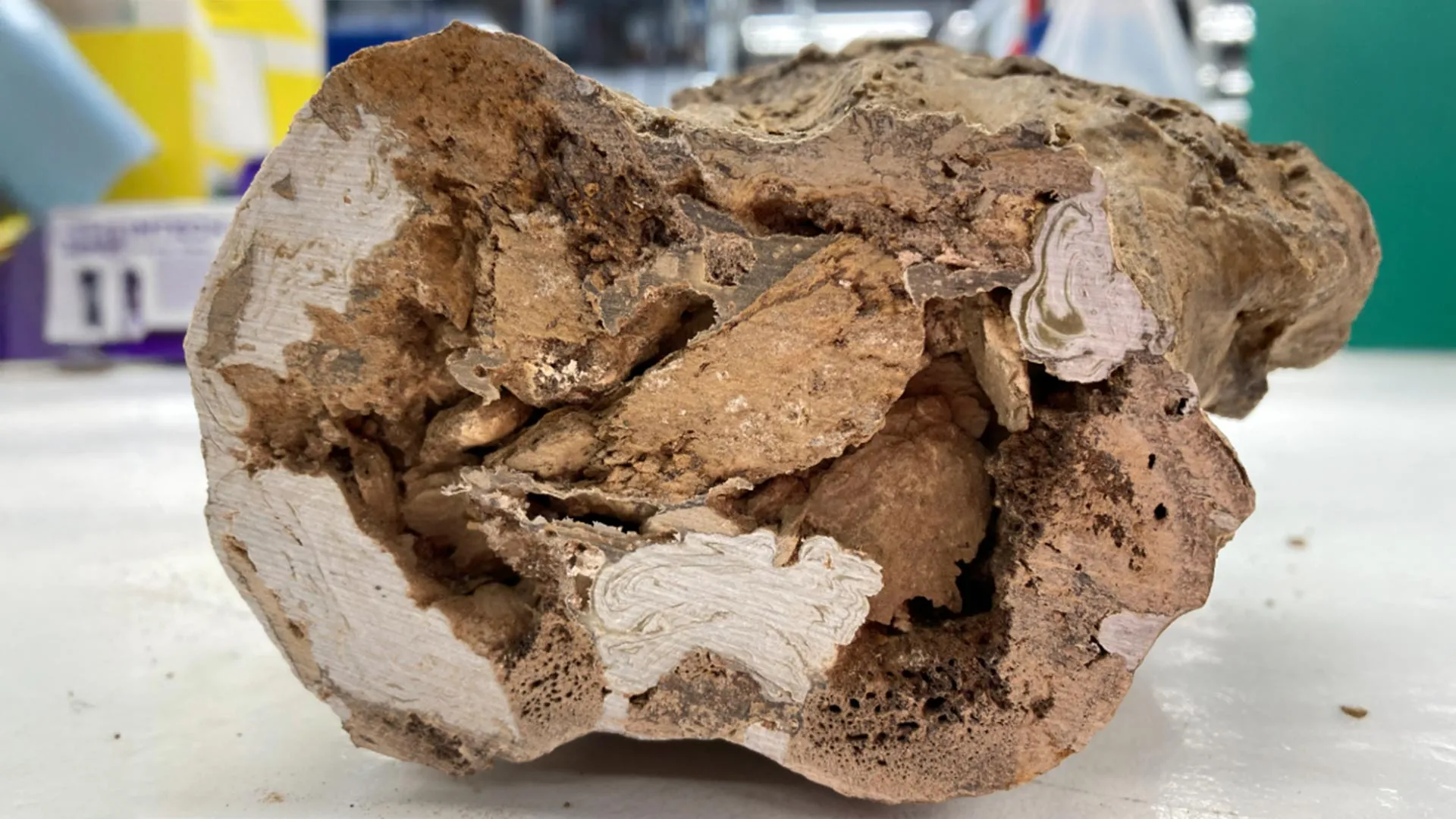
Scientists have uncovered compelling evidence that dinosaur fossils may still contain traces of their original proteins, overturning a long-standing belief that fossilization destroys all organic material.…
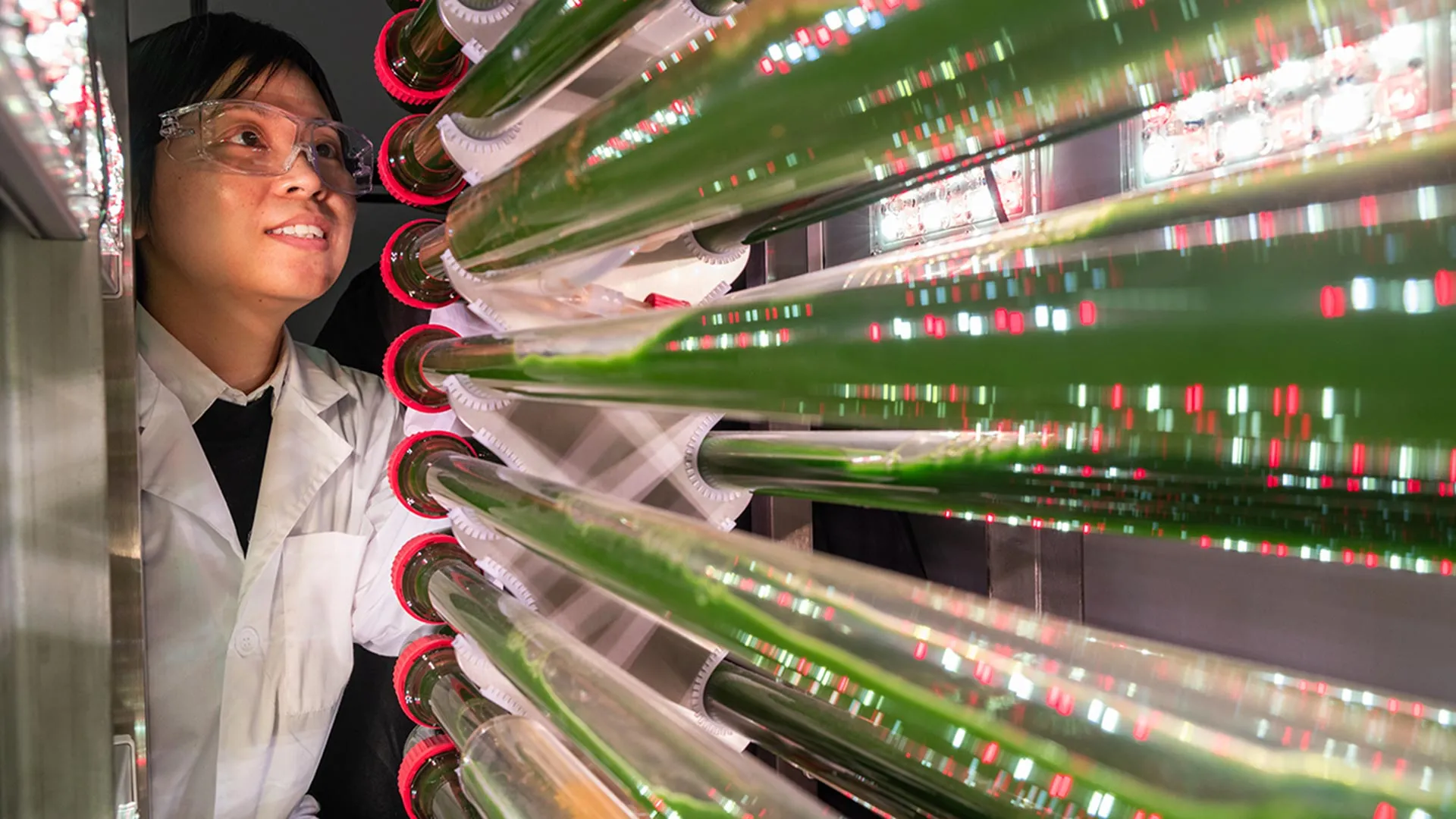
Researchers created a special kind of algae that can grab microscopic plastic pollution out of water almost like a magnet. The algae produce limonene, an orange-scented oil that helps them bind to water-repelling microplastics, forming easy-to-remove…
Scientists at the University of Rochester pulled off a remarkable experiment: they transferred a longevity-related gene from the famously long-lived naked mole rat into mice, and the mice ended up healthier and lived longer.…
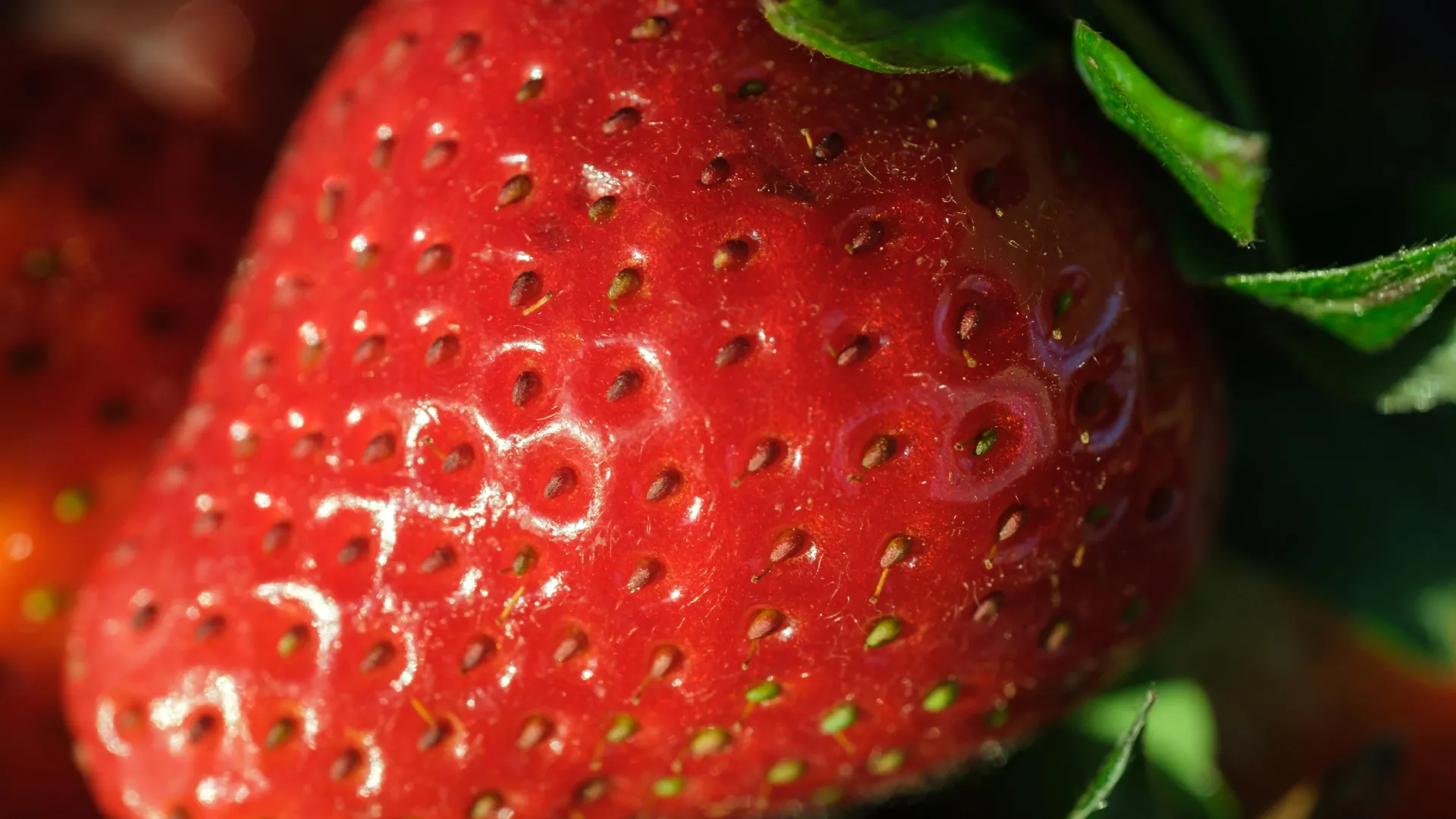
A surprising genetic twist shows that boosting a seemingly ordinary “housekeeping” gene can dramatically improve fruit quality without any trade-offs.…
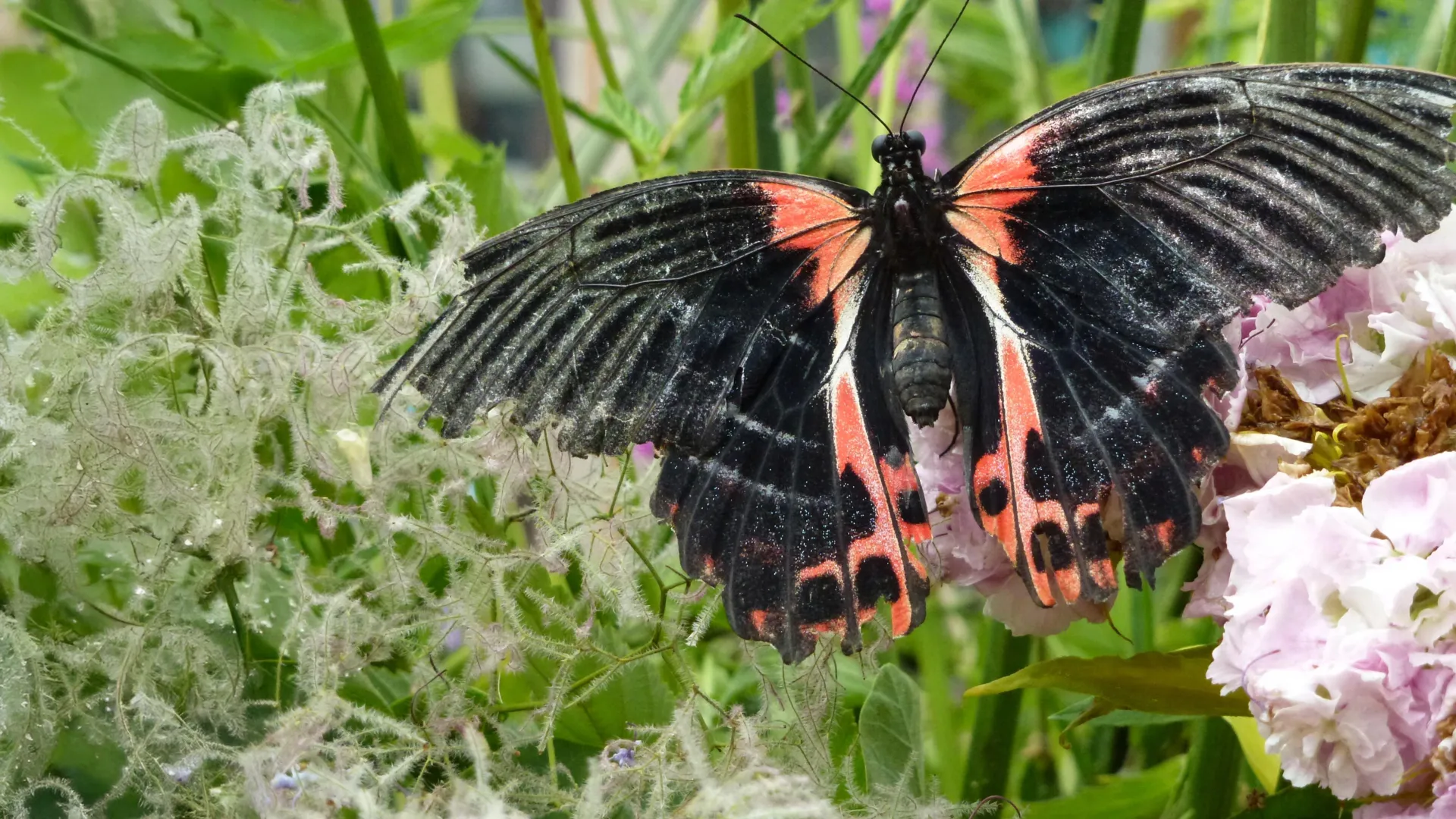
Evolution seems to follow a script more often than expected. Researchers found that distantly related butterflies and moths have reused the same pair of genes for over 120 million years to produce strikingly similar warning colors.…
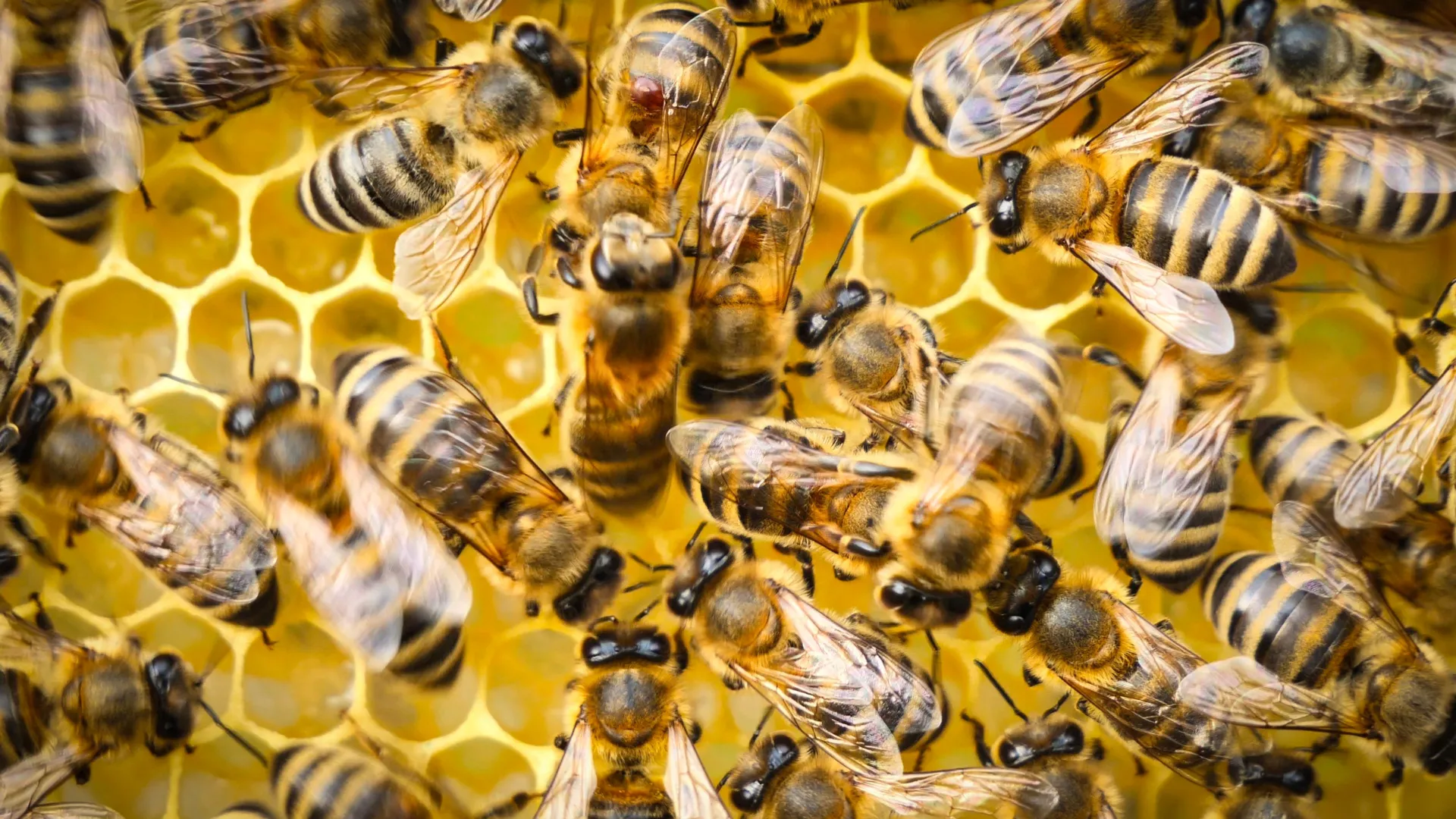
A unique hybrid honeybee thriving in Southern California may hold a powerful clue to saving struggling bee populations. While U.S. beekeepers are losing massive numbers of colonies—largely due to destructive Varroa mites—a locally adapted mix of feral and…