A daily multivitamin may help slow biological aging, according to researchers studying older adults in a large clinical trial. After two years, participants taking multivitamins showed slower aging in several DNA-based “epigenetic clocks,” with the effect…
Researchers have uncovered unexpectedly high levels of silicone-based pollutants called methylsiloxanes floating through the atmosphere across cities, rural regions, and even forests.…
Researchers found a new way to kill harmful “zombie” cells that linger after chemotherapy and help cancers become more aggressive. These senescent cells survive by relying on a protective protein called GPX4, even while sitting on the edge of a deadly…
Scientists at McGill University have uncovered a hidden molecular “switch” that turns on a powerful calorie-burning system in brown fat — the body’s heat-generating fat linked to metabolism and weight control.…
Staying strong may be one of the biggest secrets to living longer — especially for older women. A major study of more than 5,000 women found that simple signs of muscle strength, like a firm hand grip or the ability to quickly stand up from a chair, were…
Ultra-processed foods may be doing far more damage than many people realize. A major new European cardiology report warns that people who eat the most ultra-processed foods face significantly higher risks of heart disease, irregular heart rhythms,…
Rebooting the gut microbiome with bacteria from youth may help stop aging-related liver damage and even prevent liver cancer, according to new research in mice.…
A common constipation drug may have unexpectedly unlocked a new way to slow chronic kidney disease — a condition that affects millions and often leads to dialysis.…
Some people taking Ozempic-like diabetes drugs may be getting dramatically better results for a surprising reason: why they overeat in the first place.…
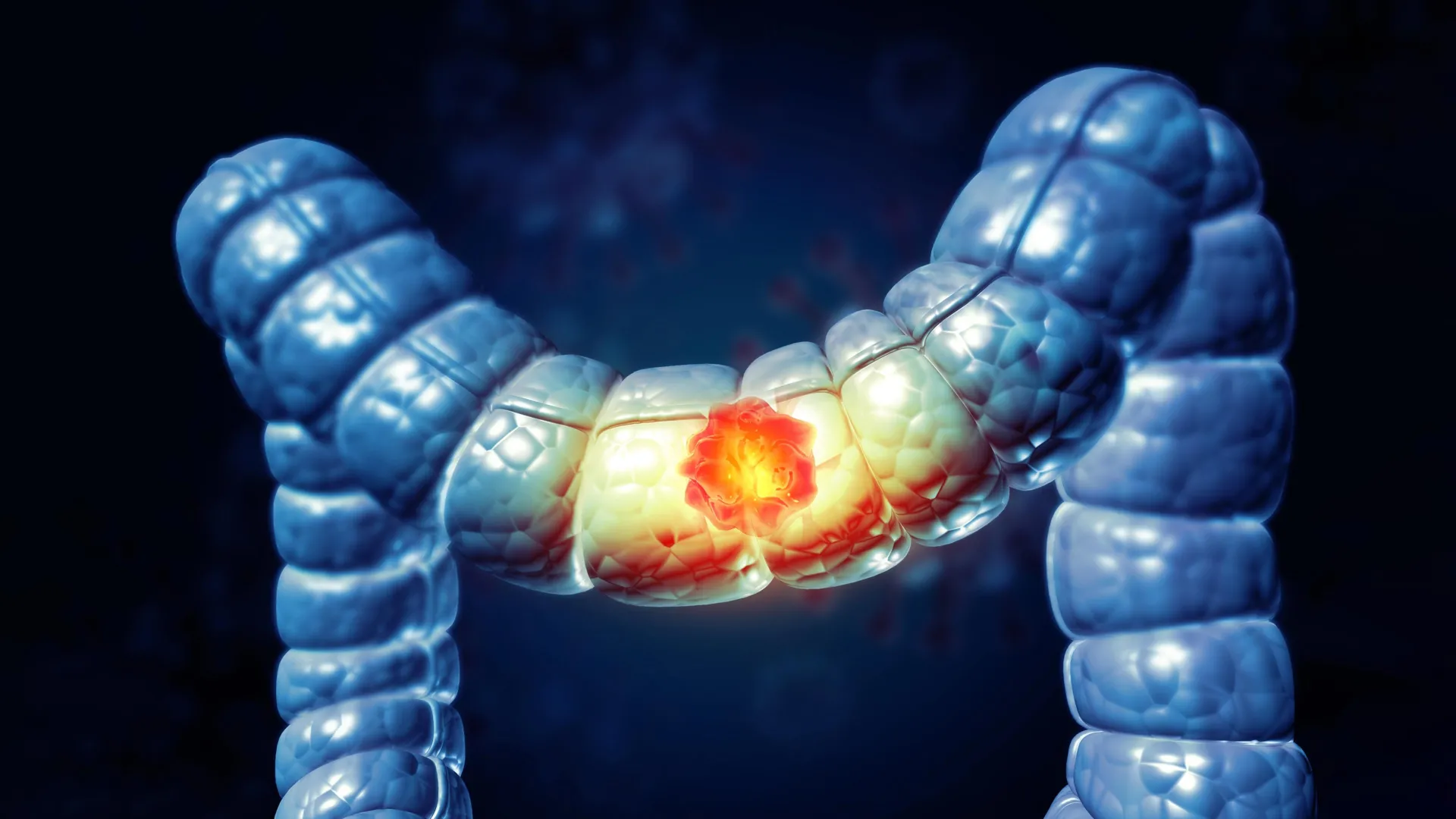
A short burst of immunotherapy before surgery is delivering surprisingly powerful results for a specific type of colorectal cancer. Patients in a UK-led trial who received just nine weeks of pembrolizumab prior to surgery have remained cancer-free nearly…
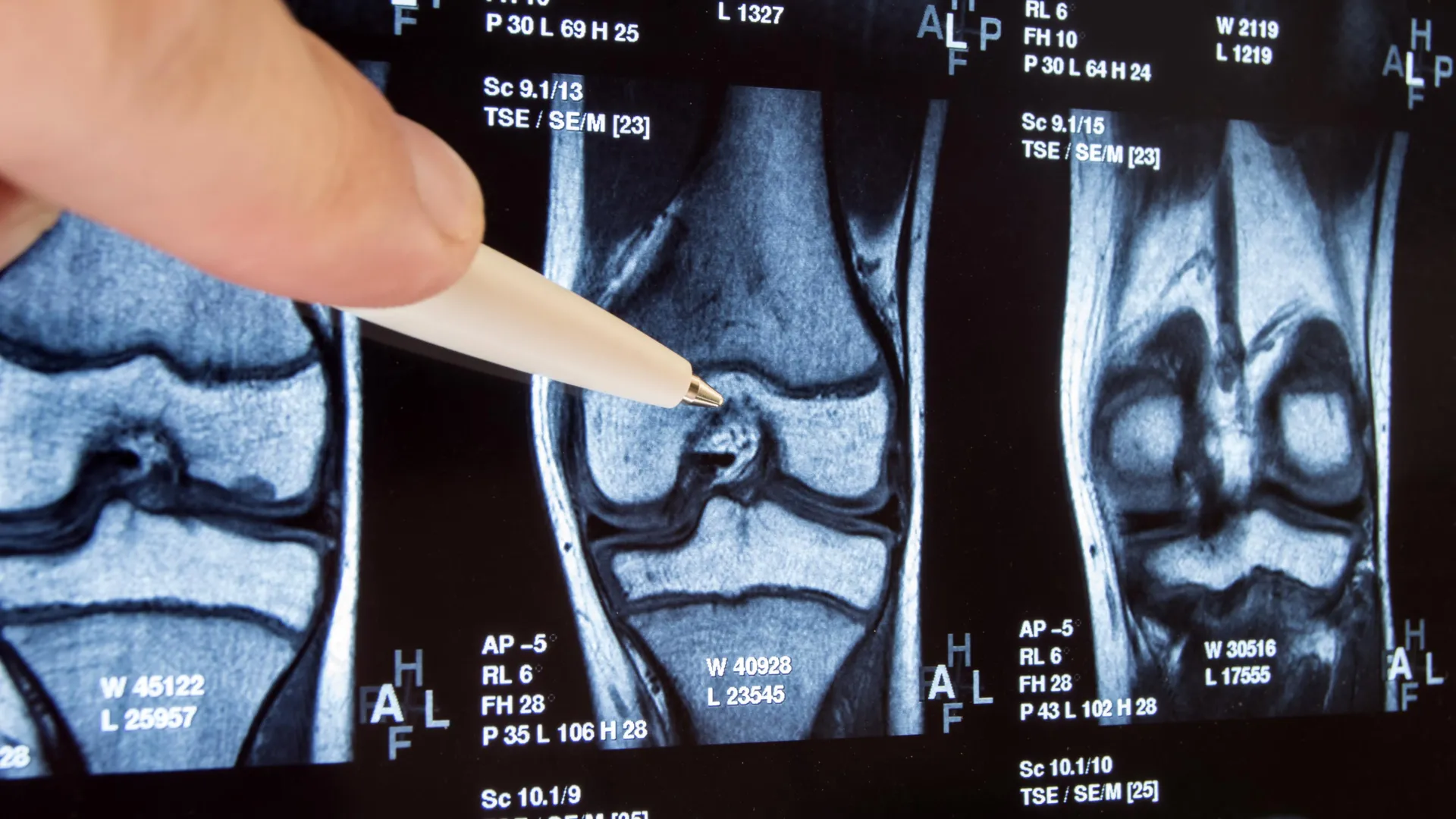
A major 10-year clinical trial is turning one of the world’s most common knee surgeries on its head. Researchers found that trimming a damaged meniscus—a procedure long believed to relieve pain—offers no real benefit over placebo surgery.…
Scientists have developed a breakthrough injectable biomaterial that travels through the bloodstream to repair damaged tissue from within, reducing inflammation and jumpstarting healing.…
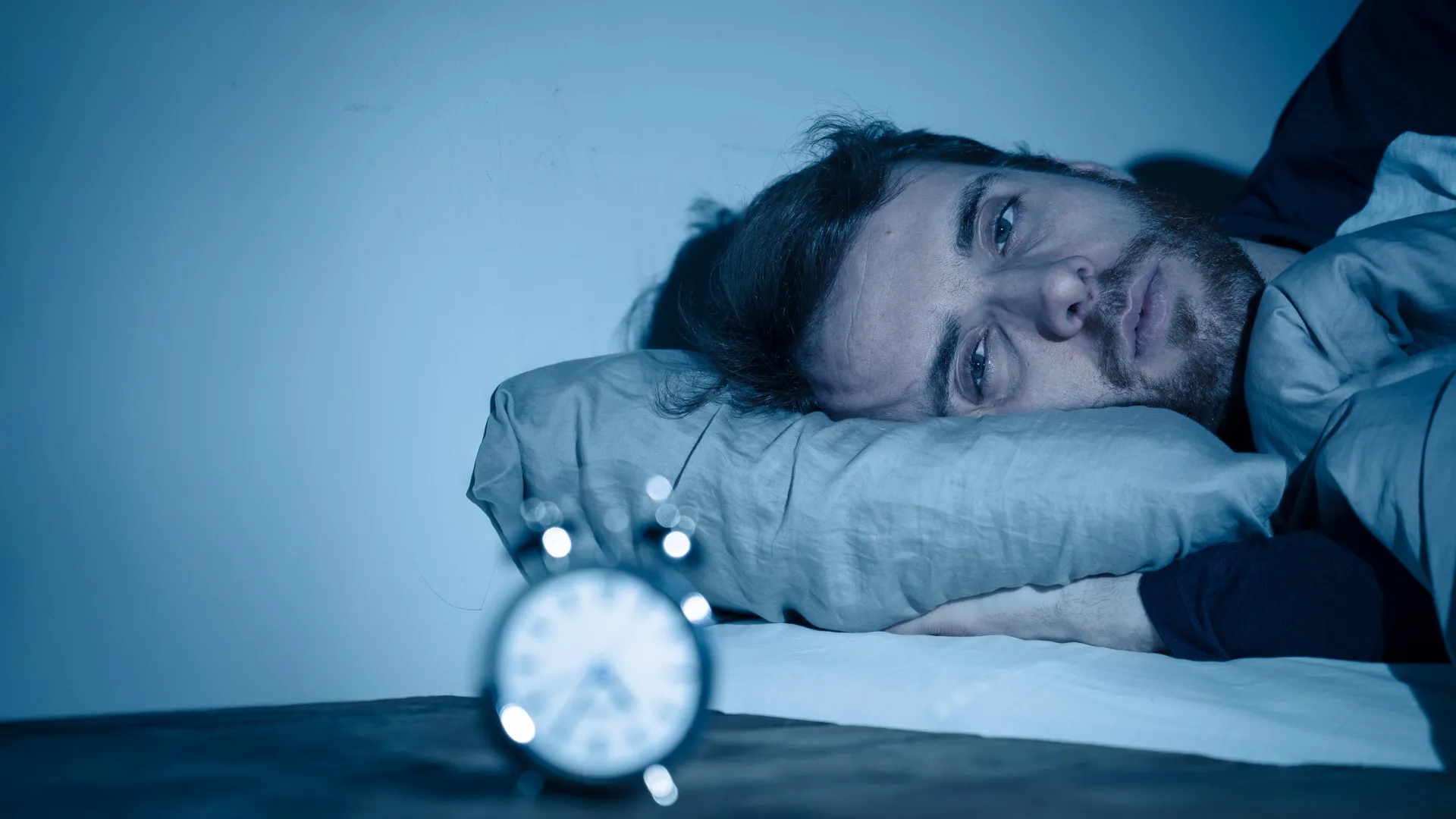
A chaotic sleep schedule in your 40s might be quietly setting the stage for heart trouble later. Researchers tracking thousands of people for over a decade found that those with highly inconsistent bedtimes—especially when they slept less than eight…
A new study suggests depression may soon be detectable through a simple blood test—by tracking how certain immune cells age. Researchers found that accelerated aging in monocytes, a type of white blood cell, is closely tied to the emotional and cognitive…
Drugs designed to clear amyloid beta from the brain—once seen as a promising path to slowing Alzheimer’s—may not actually help patients in any meaningful way, according to a major review of over 20,000 participants.…
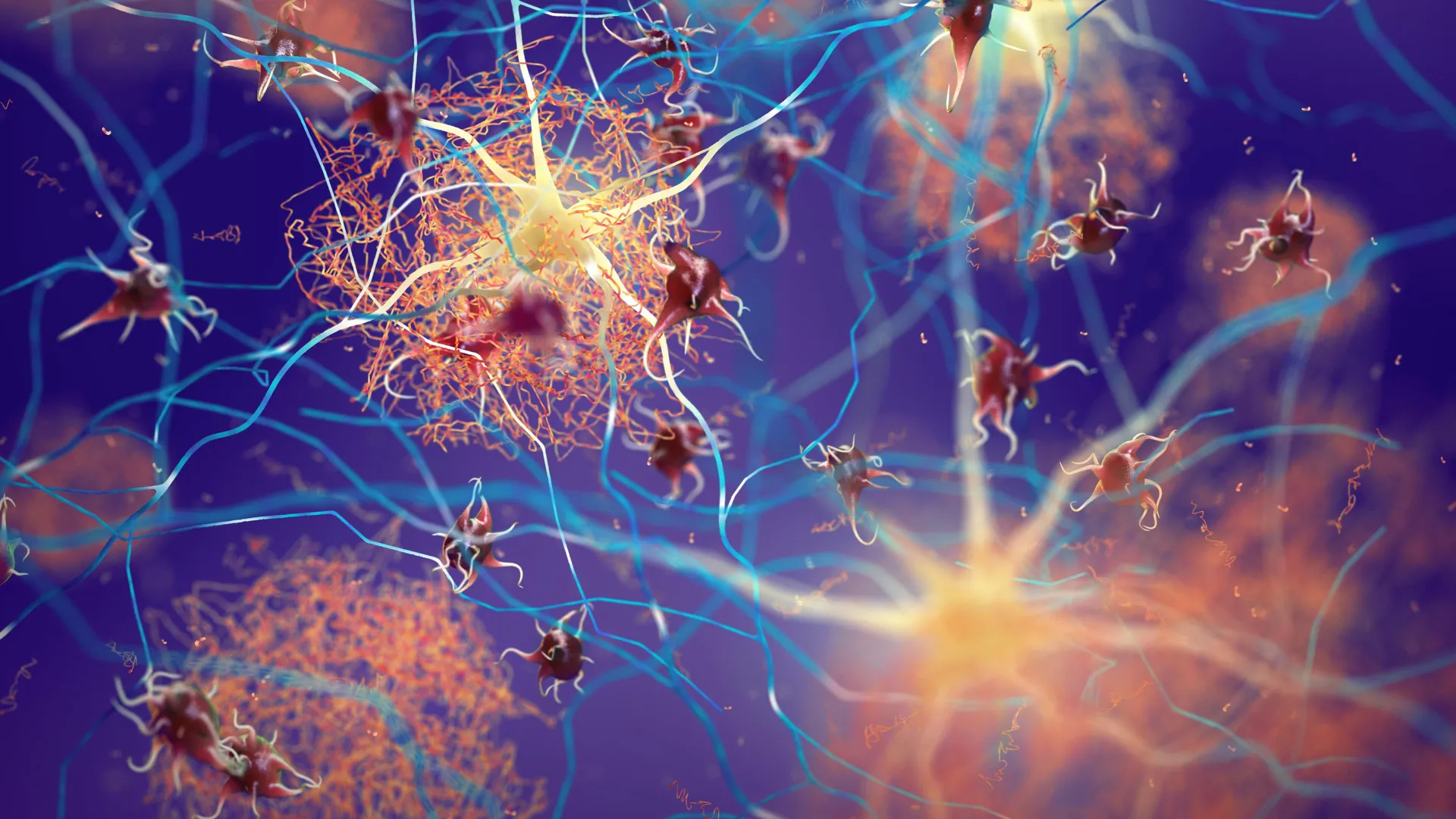
Scientists have discovered a way to help the brain clean itself of harmful Alzheimer’s plaques by activating its own support cells. By increasing a protein called Sox9, researchers were able to boost the activity of astrocytes, star shaped cells that help…
Free-living amoebae are emerging as a global health concern, fueled by warming temperatures and outdated water systems. While many are harmless, some can cause deadly infections and even protect other dangerous microbes.…
Kidney stones are notoriously painful—and frustratingly common, with many people facing repeat episodes. A massive new study tested whether a high-tech hydration program—complete with smart water bottles, reminders, coaching, and even financial…
Chronic stress is already tough on your gut—but new research suggests late-night eating could make things even worse. Scientists analyzing thousands of people found that those under high stress who also ate a large portion of their calories after 9 p.m.…