June – August 2026In celebration of the nation’s 250th anniversary, the USGS Library will host a special art installation in the National Center Art Hallway throughout the months of June, July, and August.
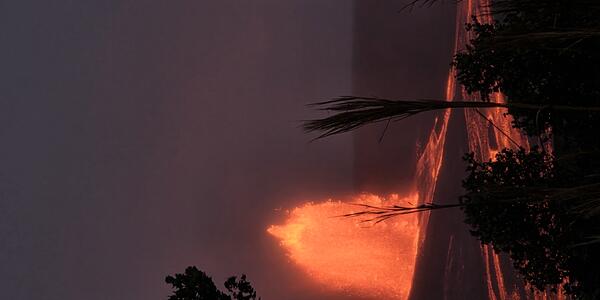
Episode 47 of the ongoing Halemaʻumaʻu eruption at the summit of Kīlauea lasted for 9 hours, from 3:27 p.m. HST on May 14, 2026, until 12:27 a.m. HST on May 15, 2026.…
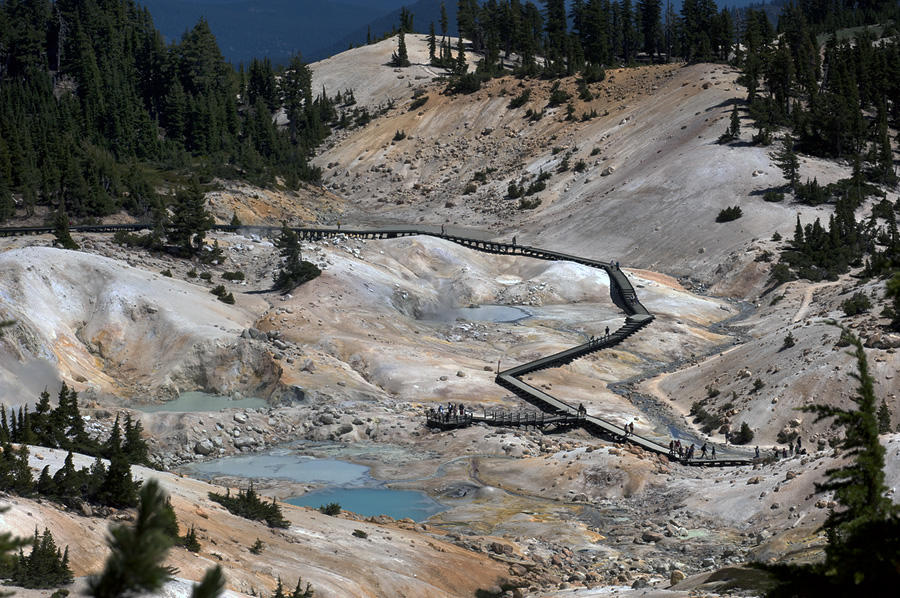
The Yellowstone Volcano Observatory is turning 25 years old! Surprisingly, the seeds for the observatory were planted at Lassen Volcanic National Park, almost 1,000 miles to the southwest.
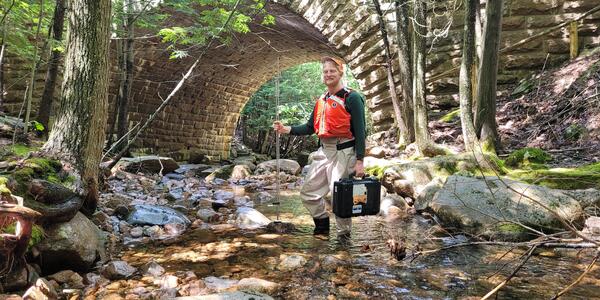
Acadia National Park has had stronger and more frequent precipitation events in recent years, leading to a rise in high, infrastructure-damaging streamflows (flood flows), stream erosion, and costly impairments to historic carriage roads and trails.
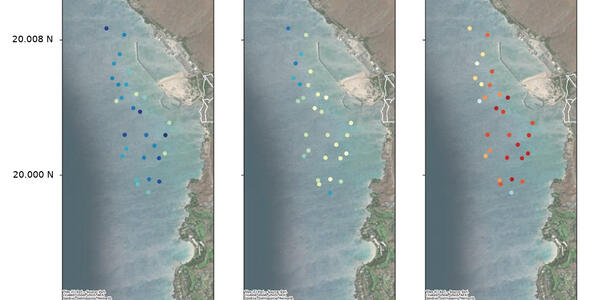
Coral reefs along Hawaiʻi’s Kona Coast have undergone major declines over the past two decades, according to a new report from USGS and the National Park Service (NPS).
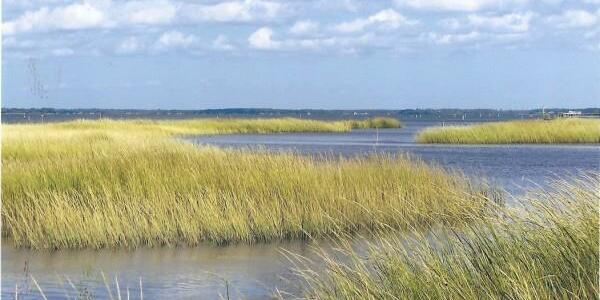
This month we’re recognizing American Wetlands Month by sharing the important wetland science the USGS Wetland and Aquatic Research Center (WARC) provides to partners along the Gulf Coast, throughout America, and around the world.
A new global study of nearly 1,900 species, co-authored by National CASC scientists, shows that species with higher genetic diversity are better able to persist in changing conditions and expand their ranges as the climate warms.
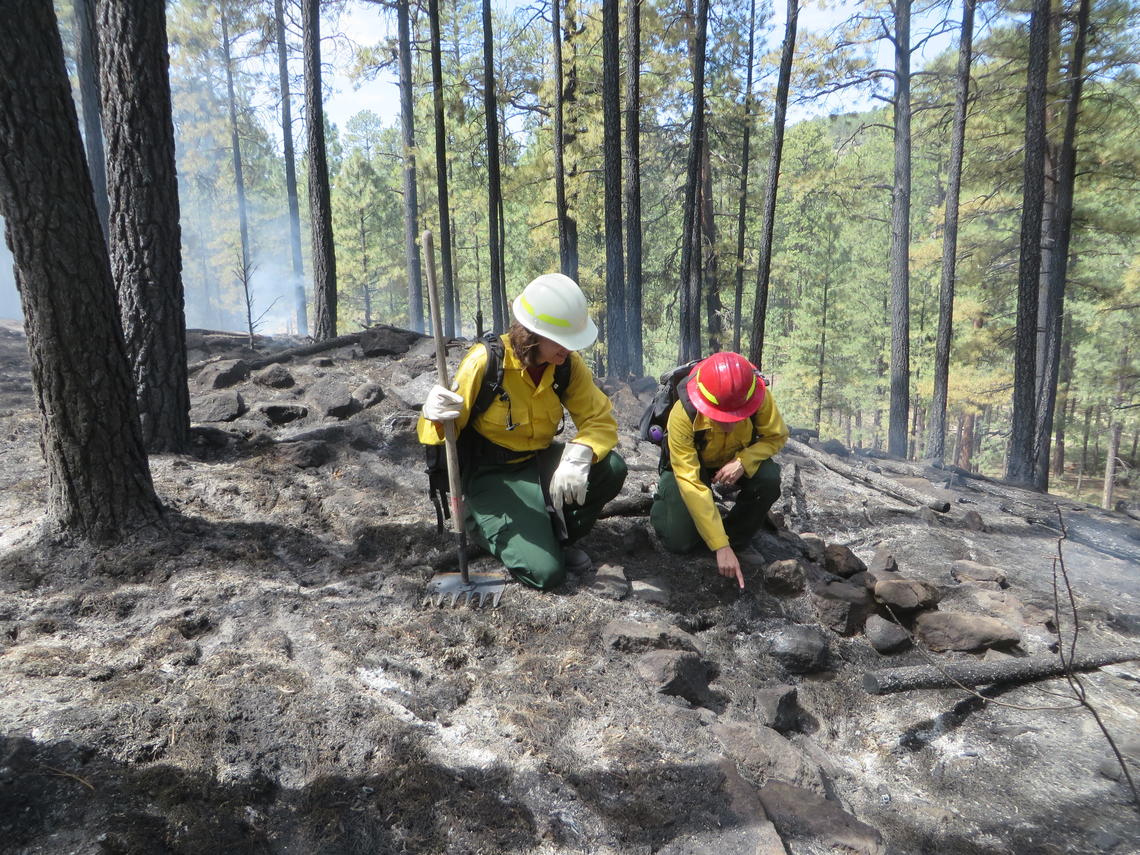
Join us for a co-hosted USGS Friday's Findings / Fueling Discovery webinar that takes a closer look at how climate and human factors influence wildfire activity.
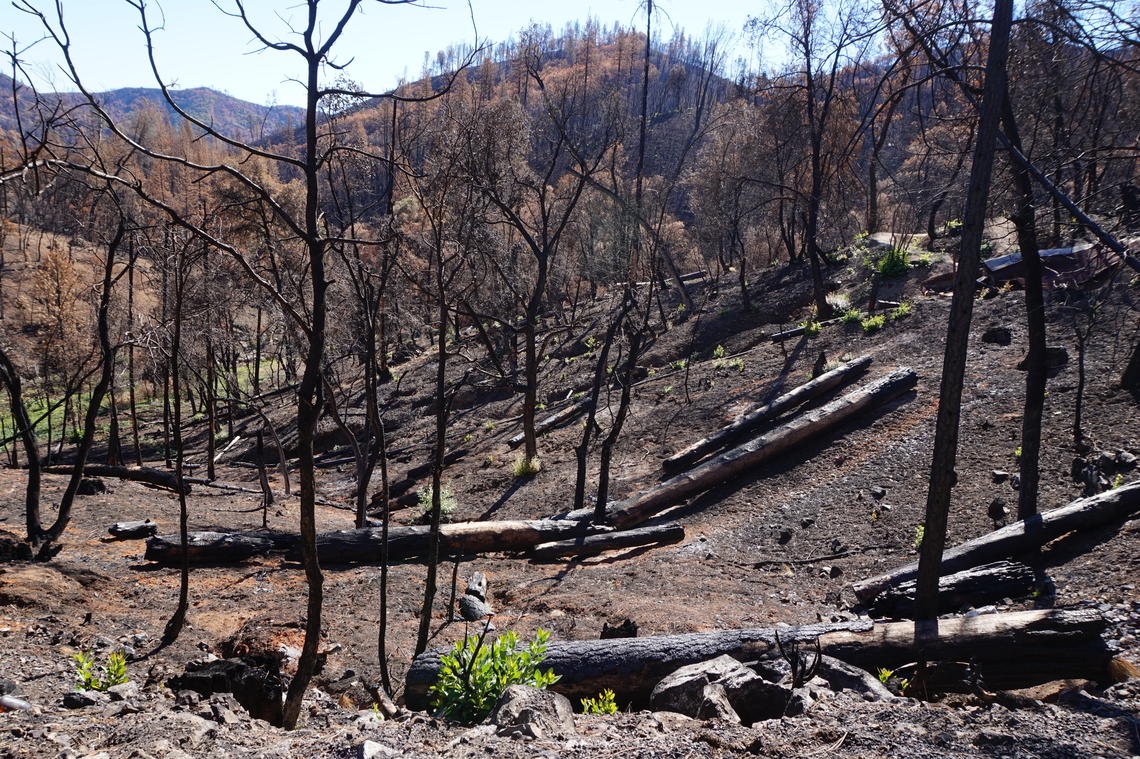
Runoff from a high-intensity storm during the 2022 McKinney Fire depleted oxygen in the Klamath River to levels lethal to fish, killing aquatic life along nearly 60 miles of one of California's most culturally significant waterways, according to a U.S.…
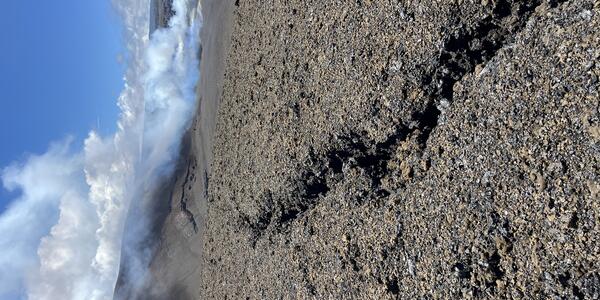
On Tuesday, May 19, 2026, scientists at the USGS Hawaiian Volcano Observatory conducted a GPS survey to measure the elevation along a transect across the tephra cone formed by lava fountaining episodes at the summit of Kīlauea.…
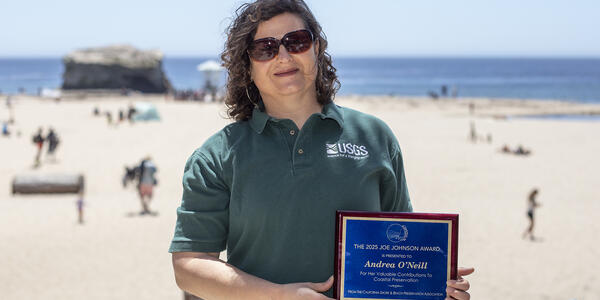
This annual award honors coastal scientists, planners, engineers, and innovators who advance the knowledge and understanding of coastal science and coastal processes, with special focus on California and the West Coast.
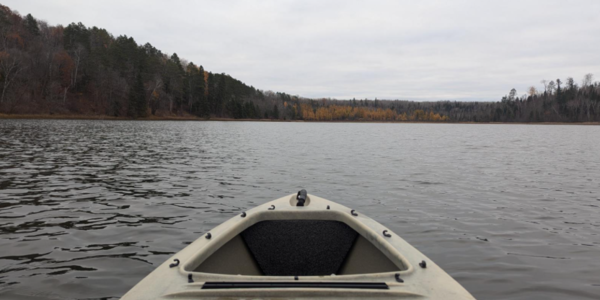
USGS scientist Dr. Jessica Rodysill was interviewed in a Northern News Now story highlighting how sediment layers collected from Minnesota’s Lake LaSalle reveal what climate conditions looked like thousands of years ago.
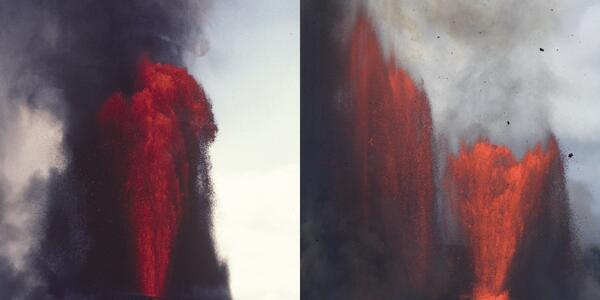
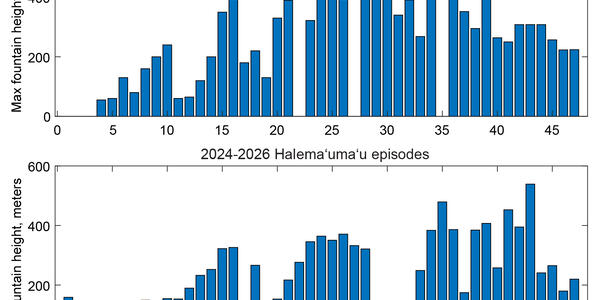
Today, we’re celebrating a milestone at Kīlauea: the Halemaʻumaʻu eruption had its 47th fountaining episode on May 14—tying the number of fountaining episodes in this eruption to that of the opening years of the Puʻuʻōʻō eruption from 1983-1986.
The lava fountains that erupted a week ago, on Thursday May 14, marked the 47th episode of the ongoing Halemaʻumaʻu eruption. This episode tied the 1983-1986 initial phase of the Pu‘u‘ō‘ō eruption, which had a total of 47 events, for the most fountaining…
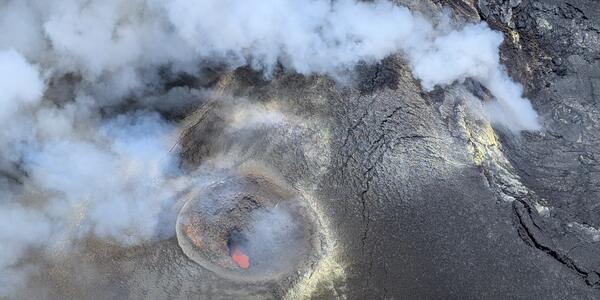
USGS Hawaiian Volcano Observatory scientists conducted a monitoring overflight of Kīlauea summit on May 22, 2026. Forecast models suggest that episode 48 will occur sometime between Sunday, May 24 and Wednesday, May 27.
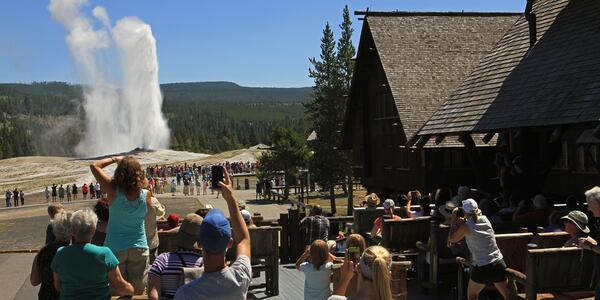
With the arrival of Memorial Day and the unofficial start of the summer travel season, we take a look at the most common questions that visitors to Yellowstone’s thermal basins ask the park’s interpretive rangers.
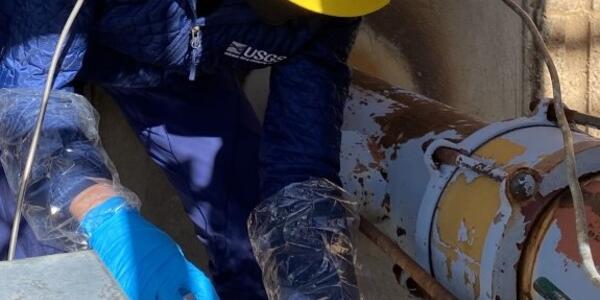
The U.S. Geological Survey (USGS) and the U.S. Environmental Protection Agency (EPA) investigated the movement of groundwater around the Coakley Landfill Superfund Site in southeastern New Hampshire after high concentrations of per-and polyfluorinated…
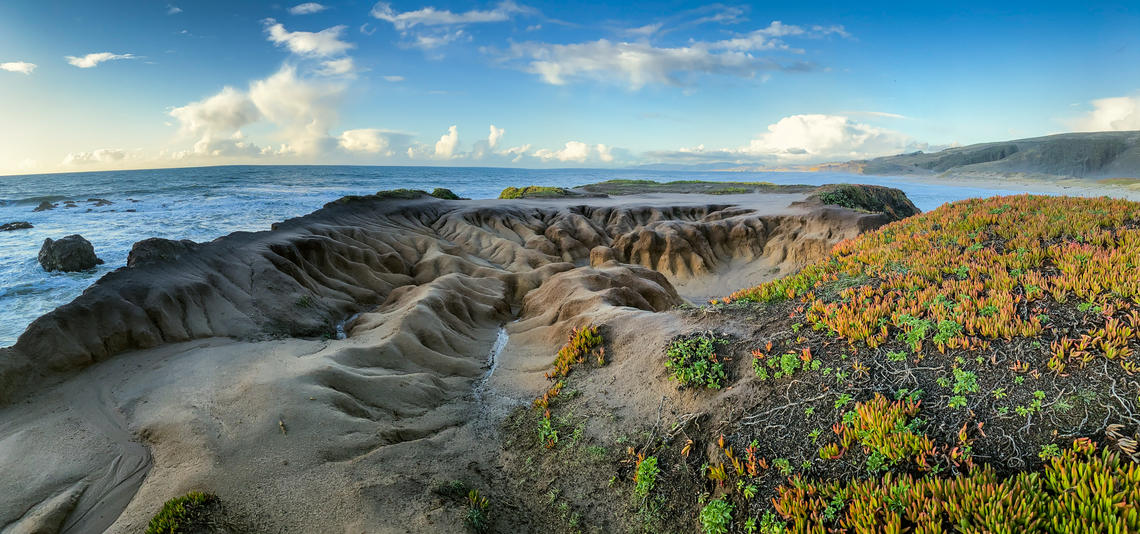
A new USGS-led study reviews the current information and products available to inform what, when, and where coastal change may occur in the future and provides recommendations for improving predictions on a national scale.