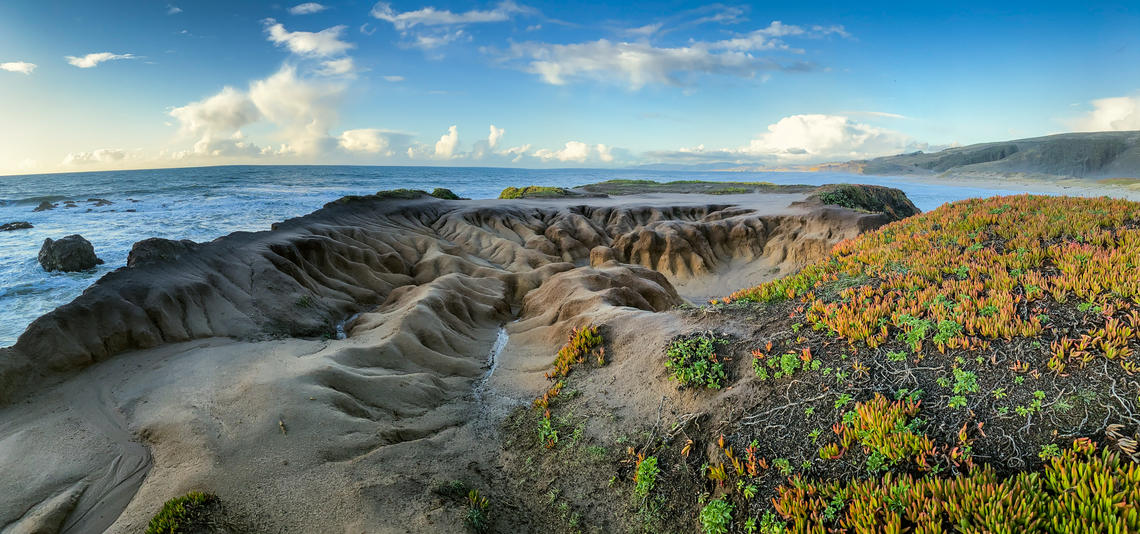
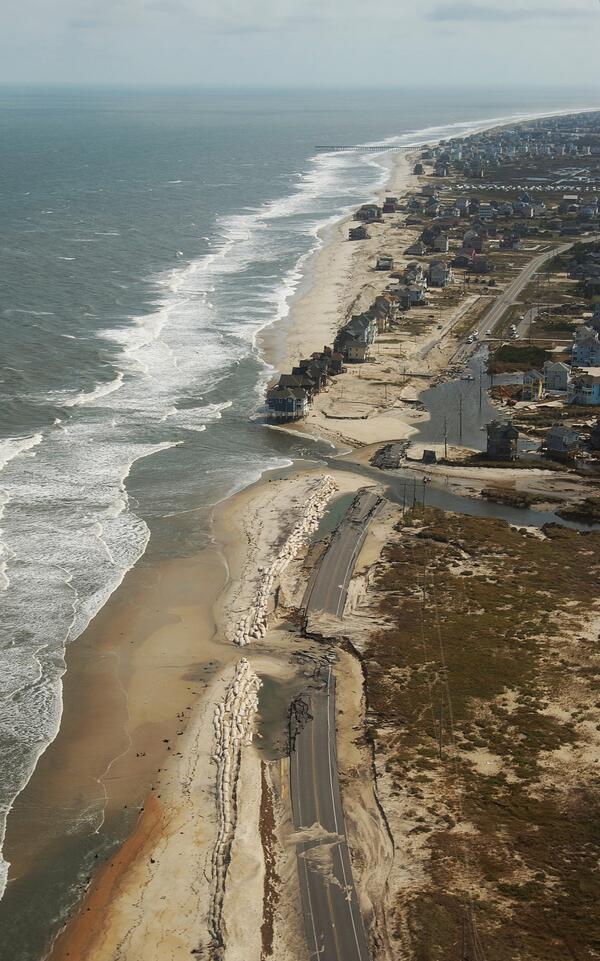
Our coastal landscapes are constantly changing due to rapid events, like storms, and longer-term processes, such as sea level rise and erosion. Where earlier communities lived more flexibly with a moving shoreline, today’s developed coasts often depend on keeping the shoreline in a fixed position. This reduces natural resilience and increases risks when storms, sea level rise, or erosion push against engineered limits. To effectively plan for the future, coastal managers need more than flood maps. They need to know where, when, and what kind of change is likely to occur over years, decades, and generations so they can identify potential hazards and make informed decisions that help safeguard coastal communities, infrastructure, local economies, national security, and important ecosystems.…