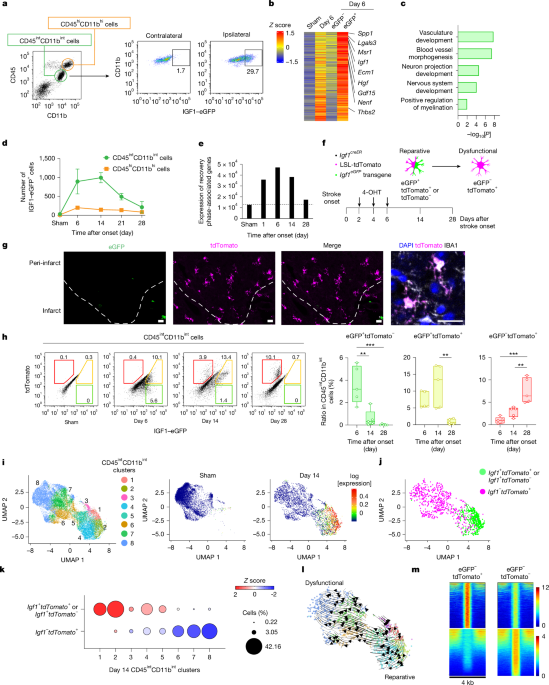
Neurological symptoms after brain injury can remain as lifelong detrimental sequelae because most of the spontaneous recovery response disappears within a few months after the injury1,2.…
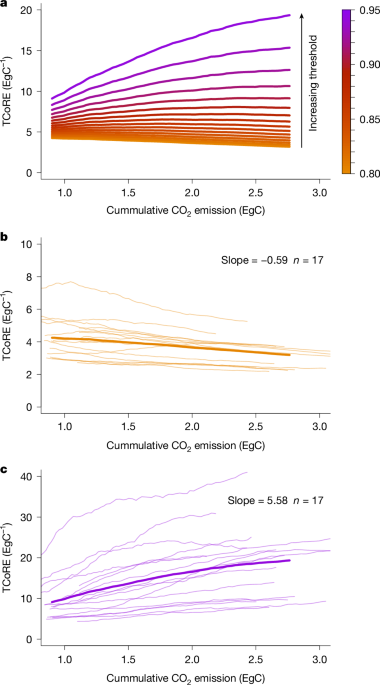
Compound events—such as concurrent hot–wet and drought–heat extremes—are among the most consequential climate hazards on Earth1–4 and are projected to become more severe under warming.…
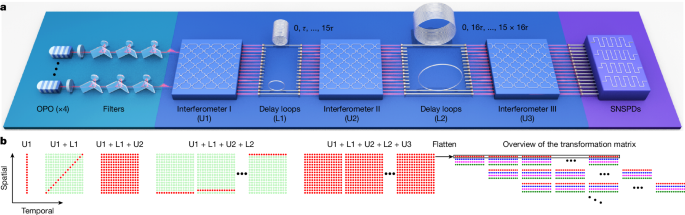
The development of large-scale, high-fidelity quantum processors is a fundamental scientific challenge, essential for exploring the boundaries of classical computation and advancing towards fault-tolerant systems.…
The capacity of hippocampal circuits to transform inputs into downstream outputs is fundamental to navigation and memory, yet the circuit-level mechanisms that enable this flexibility in adapting to experience remain unclear.…
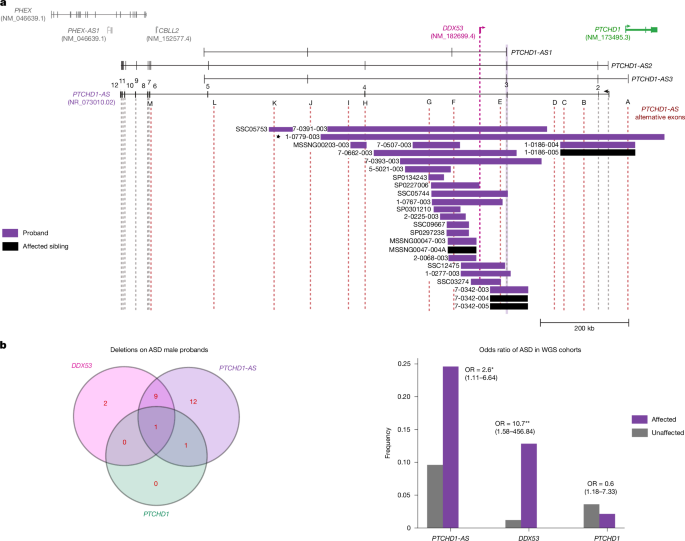
There are around 100 genes or copy-number variations used in genetic testing for autism spectrum disorder (ASD)1,2. The established genes are protein coding, and the associated phenotypes usually extend beyond sociobehavioural traits seen in autism,…
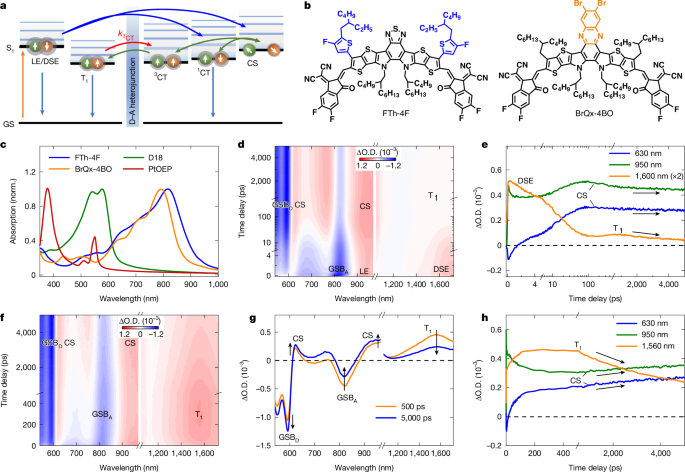
Non-geminate recombination in organic photovoltaics (OPVs) forms low-energy spin-triplet excitons (T1) that are known to result in irreversible, non-radiative relaxations1–5.…
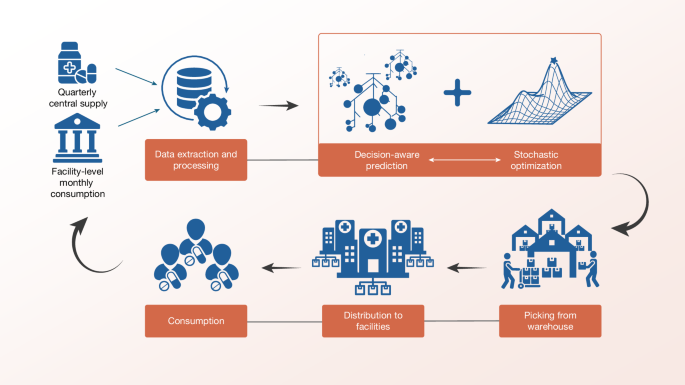
A critical challenge in healthcare systems in low- and middle-income countries is the efficient and equitable allocation of scarce resources, particularly essential medicines1.…
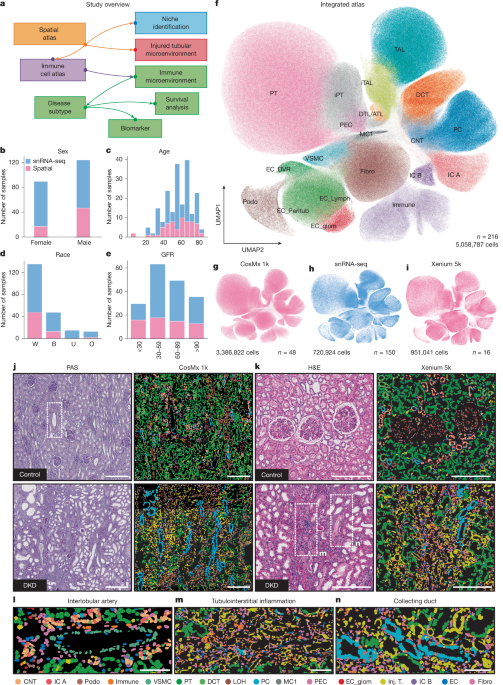
Diabetic kidney disease (DKD), the leading cause of kidney failure, is marked by clinical and molecular heterogeneity, making therapeutic development exceedingly difficult1.…
With deep-learning-powered advances in protein design methods, there is an ongoing paradigm shift in protein engineering from random selection to intentional computational design methods. Here we describe the current state of de novo protein design.…
Ubiquitin signalling covers a vast realm of protein modifications, yet may still be underestimated due to non-proteinaceous substrates, such as sugars, lipids, and nucleotides1 .…
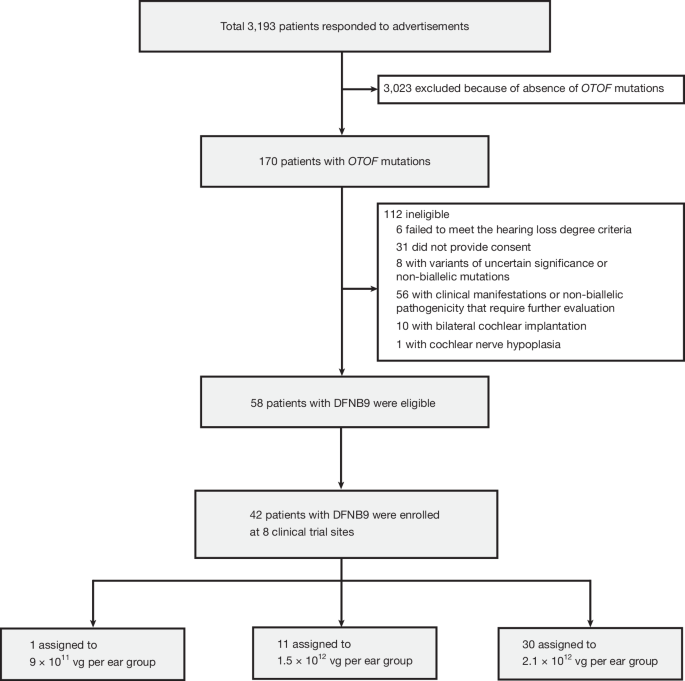
Autosomal recessive deafness 9, caused by OTOF gene mutations, is characterized by severe-to-complete congenital deafness1. Although gene therapy has shown benefits in a small number of patients2–5, its safety and efficacy across broader age ranges and…
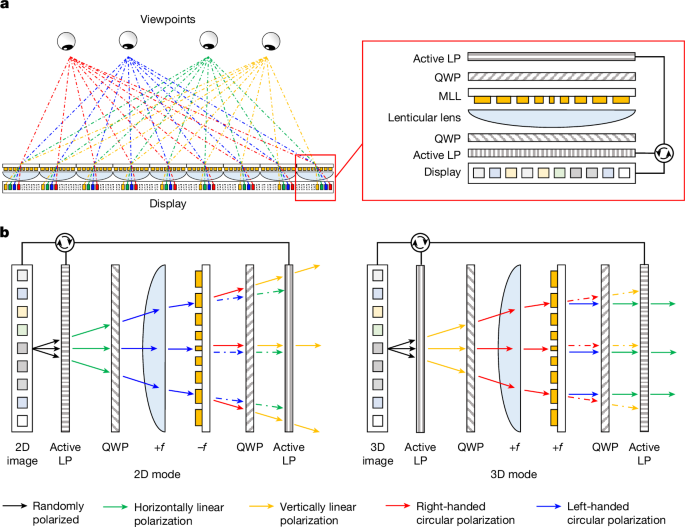
Three-dimensional (3D) displays provide immersive visuals by delivering depth cues, making them valuable for applications such as interactive media1,2.…