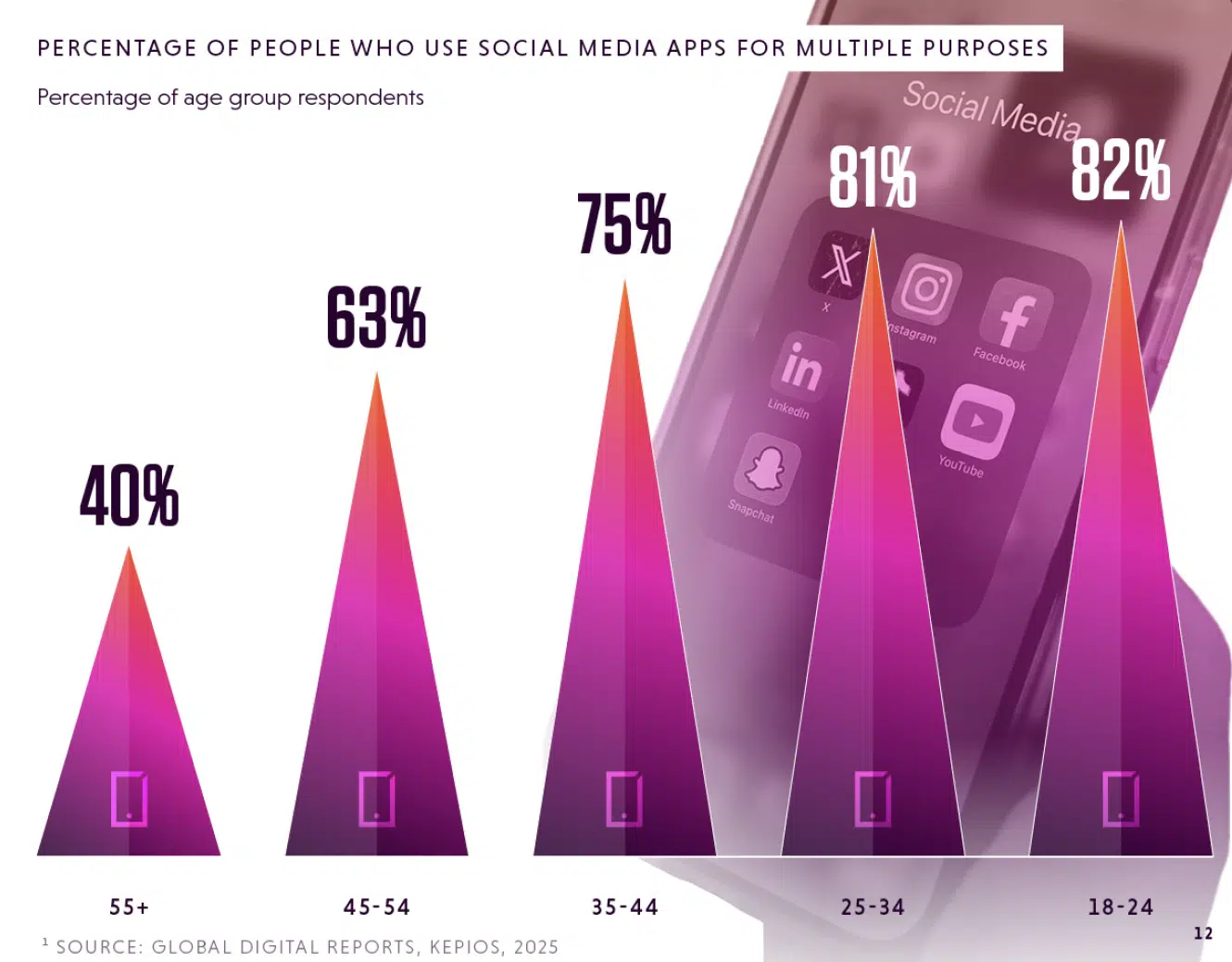
The consumer journey bounces around so much these days that the marketing funnel should be made of rubber. According to the MiQ Sigma report “From Funnel to Flexibility,” 86% of people switch digital activities at least once an hour, and 42% say their path to purchase is random. That kind of behavior makes the funnel an unreliable planning model. It also compresses timelines, with some purchases happening in as little as 10 minutes, limiting how much influence staged campaigns can have. What replaces the funnel is a set of overlapping behaviors. People move between watching, browsing, and buying in quick bursts, often within the same session, which means intent forms and resolves faster than most campaigns are built to handle. That shift changes how marketing needs to be structured. Instead of planning around sequences, they must identify moments of intent and ensure campaigns can respond when those moments occur, even if they last only a few seconds.…