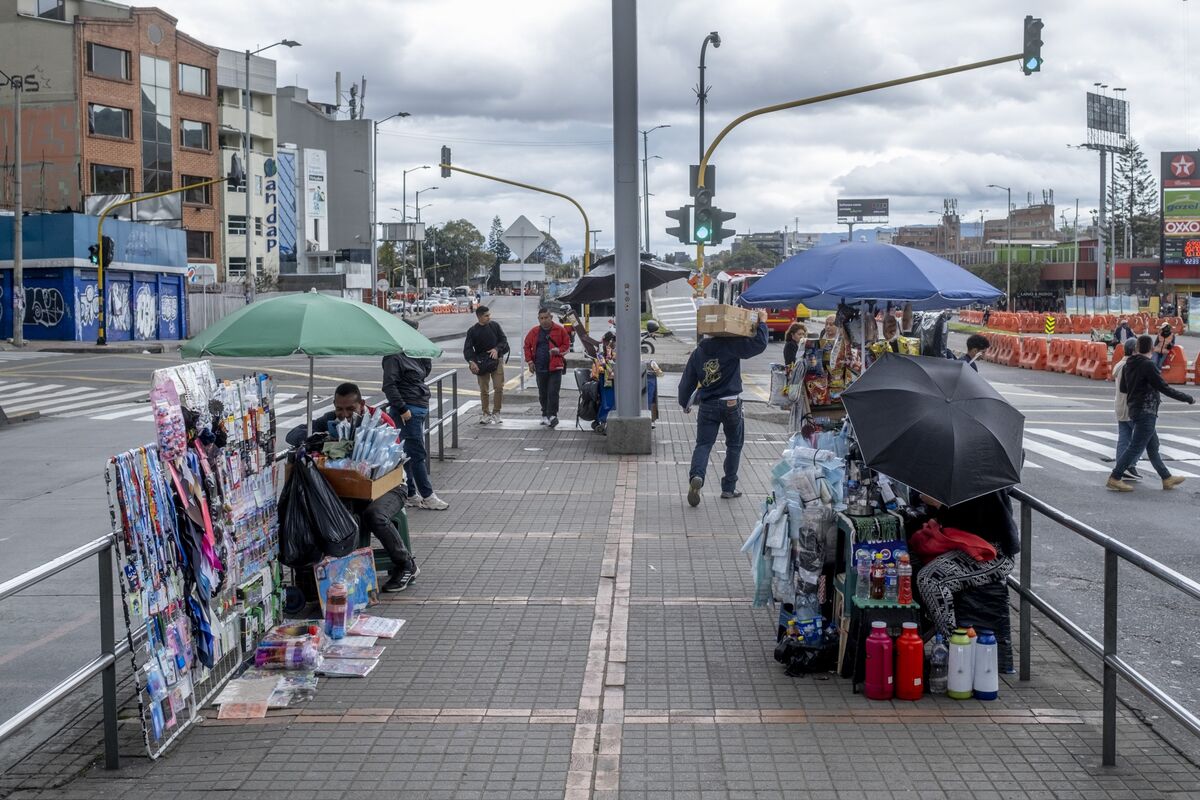
Colombia’s economy grew faster than expected in the first quarter, potentially boosting President Gustavo Petro’s leftist ally in this month’s presidential vote.
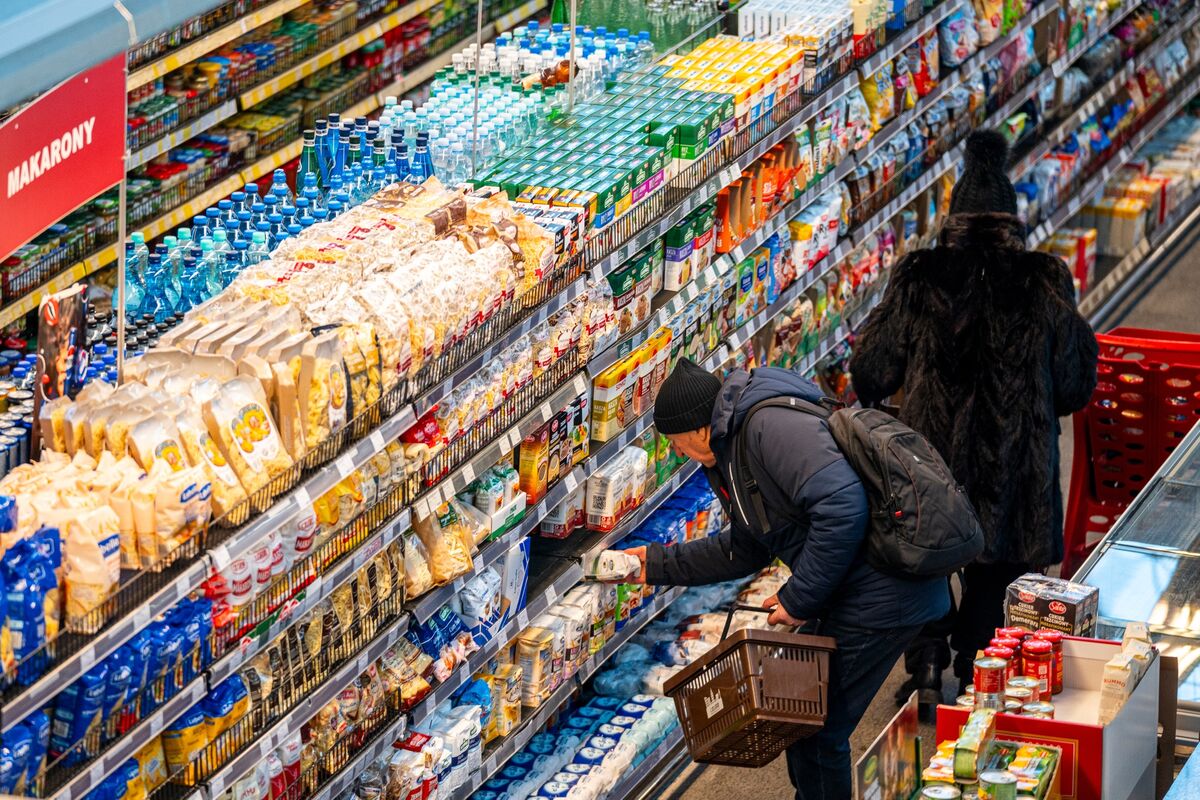
Poland’s economy slowed in the first quarter as an unusually long winter freeze curbed activity in the construction sector, with fading momentum likely to increase uncertainty over central bank policy.
The forint weakened after the Hungarian central bank unexpectedly lowered the interest rate on its foreign-currency swaps following one of the biggest emerging-market currency rallies this year.
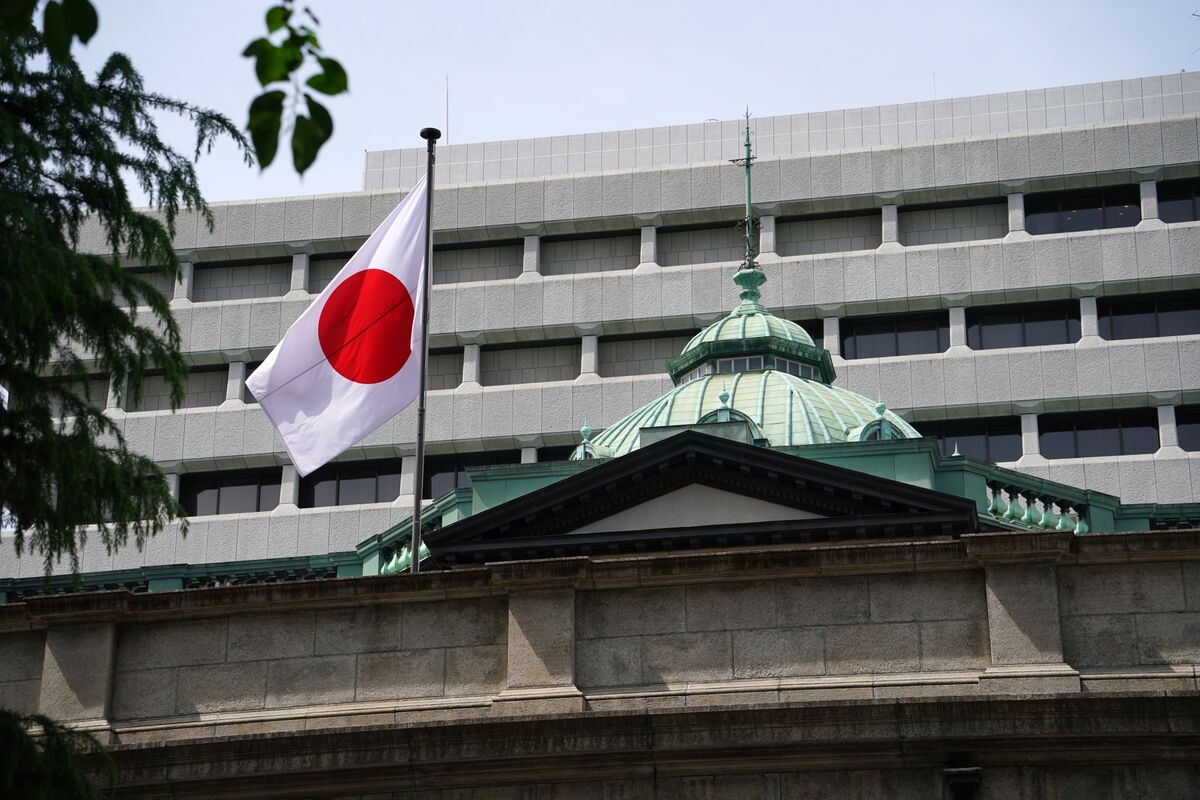
The Bank of Japan’s policy rate is expected to reach 2% by the end of 2027, according to a new estimate from the Organisation for Economic Co-operation and Development.
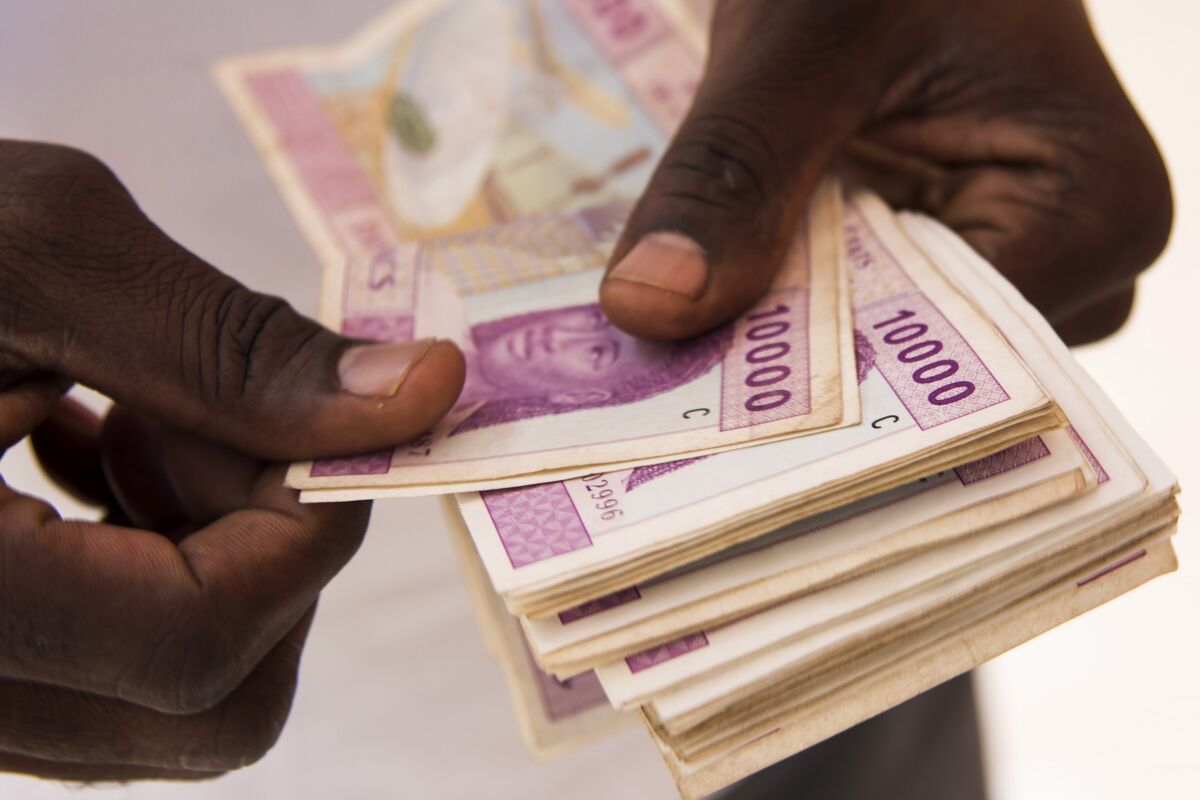
Citigroup Inc. says central Africa’s monetary bloc should consider devaluing its currency, which is pegged to the euro, in order to boost economic growth and stem a slide in reserves.
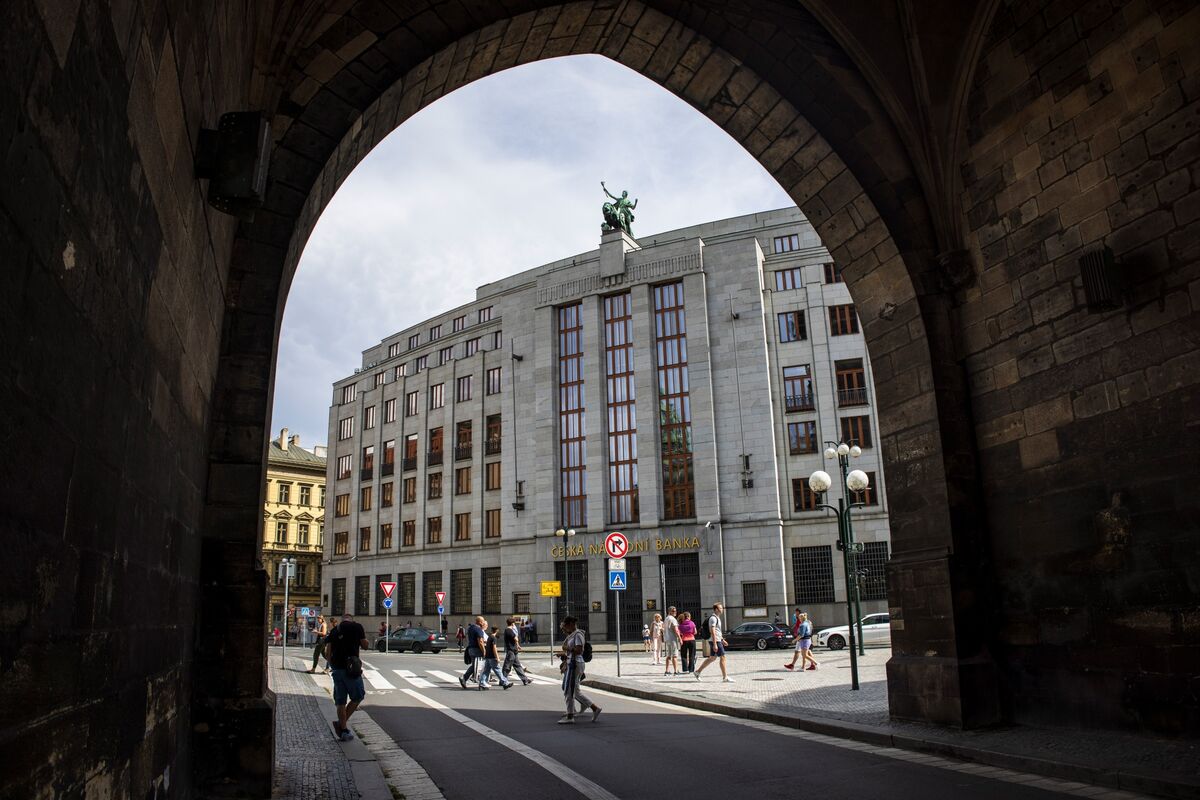
Czech policymakers are likely to keep interest rates unchanged, taking more time to gauge the broader impact of more expensive fuels on living costs and economic growth.
Prime Minister Mark Carney said his government is considering spinning off or selling ownership stakes in Canadian airports in order to use the proceeds on new projects aimed at fueling economic growth.
Uzbekistan is kicking off a planned series of initial public offerings with the sale of about a 30% stake in the state investment fund, as part of the Central Asian nation’s push to entice international investors.
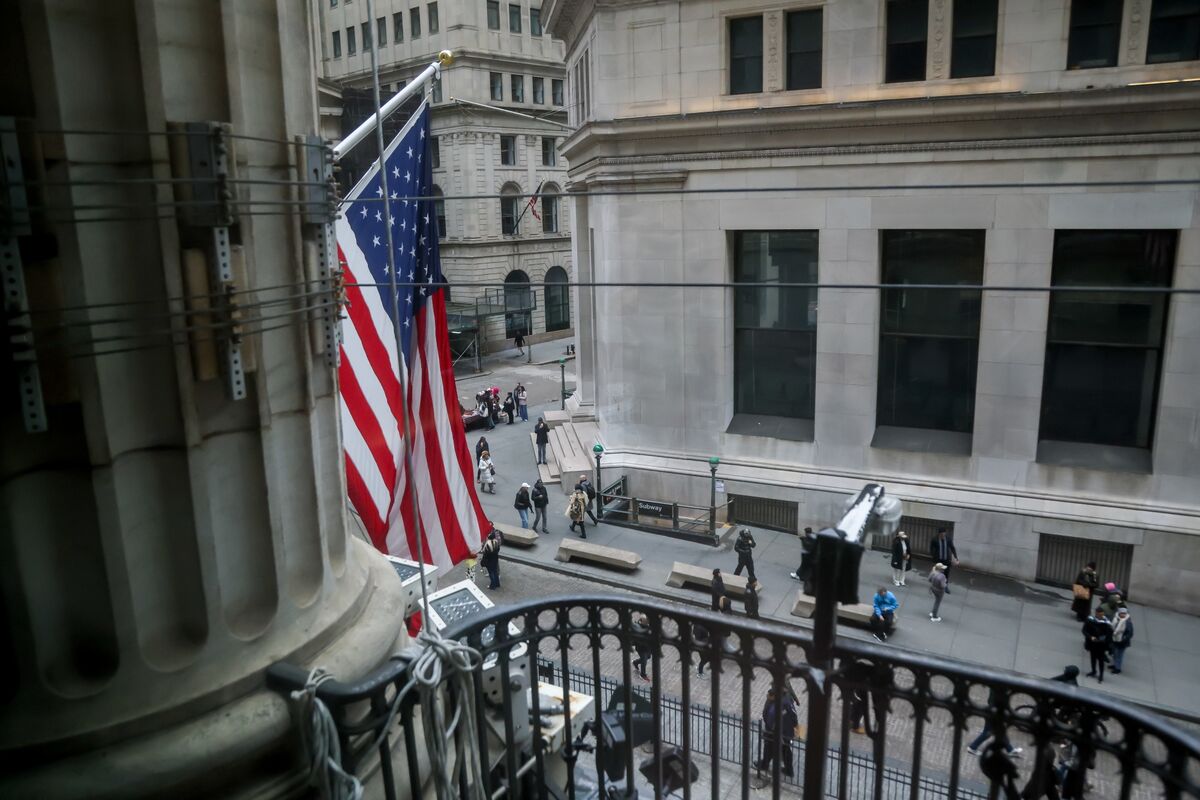
The yield on 30-year US government debt hovered around 5% after breaching the key level for the first time this year — suggesting pressure in the world’s biggest bond market isn’t letting up.
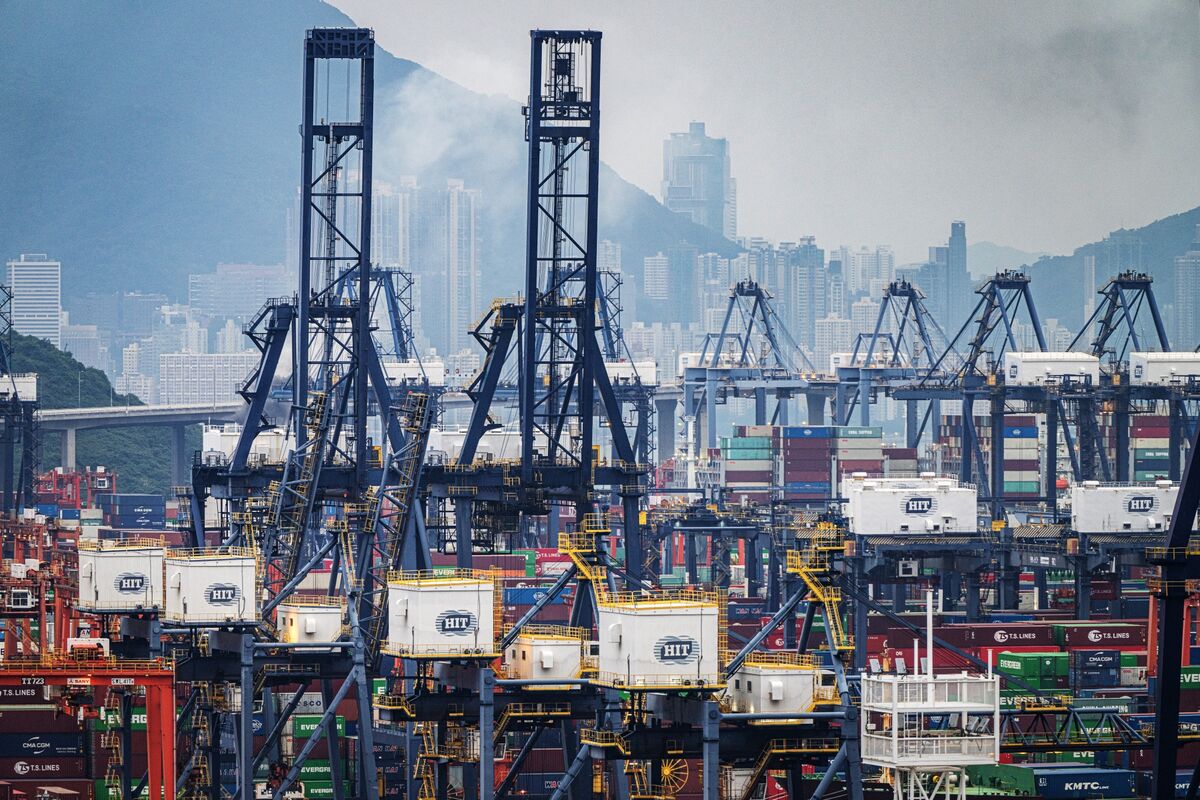
Hong Kong’s economy expanded at its fastest pace in almost five years, as old growth drivers like tourism and retail spending cushioned the blow from the global energy crisis caused by the war in Iran.
Euro-zone inflation will jump to 2.7% on average this year but return close to the European Central Bank’s 2% target already next year, according to the institution’s quarterly survey of professional forecasters.
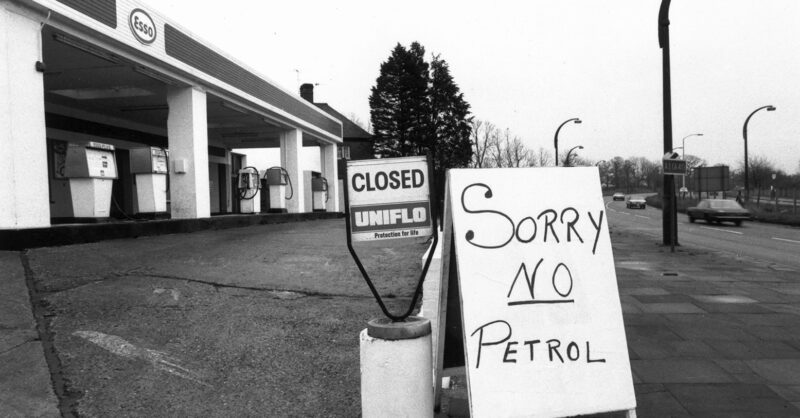
The Chancellor is grappling with the ramifications of a war in the Middle East which has created an inflationary spike and fuel shortages. The political class are anxiously watching economic graphs. T