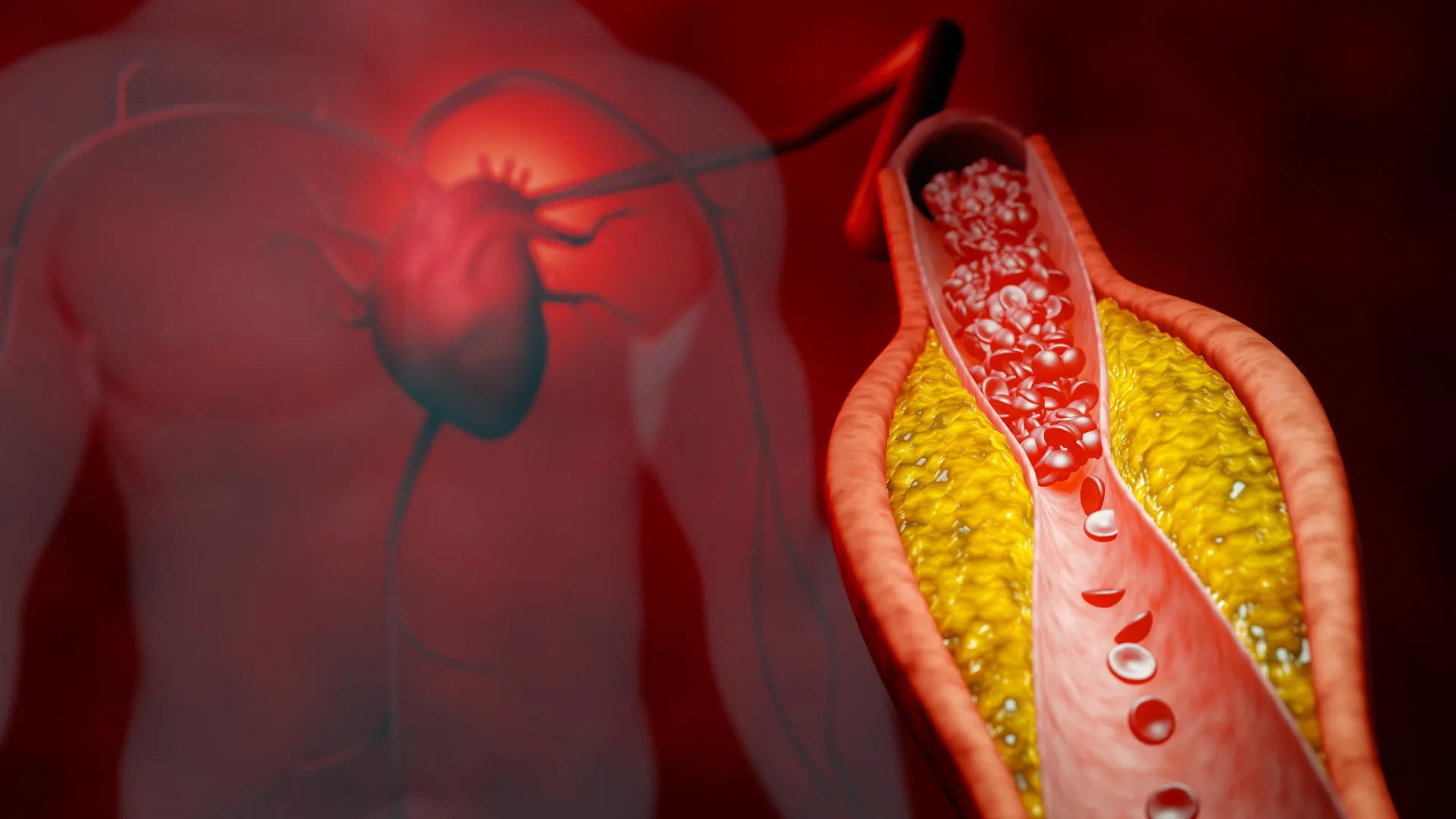
High levels of cholesterol in the bloodstream can lead to hypercholesterolemia, a condition that damages arteries and raises the risk of heart disease. Now, researchers from the University of Barcelona and the University of Oregon have developed a promising new approach to control cholesterol levels, offering a potential new way to combat atherosclerosis, which occurs when fatty plaques build up in artery walls. The research team focused on PCSK9, a protein that plays a central role in regulating levels of low-density lipoprotein cholesterol (LDL-C), often called "bad" cholesterol. They designed a method to block the production of this protein using specialized DNA-based molecules known as polypurine hairpins (PPRH). By suppressing PCSK9, the treatment helps cells absorb more cholesterol, reducing the amount circulating in the blood and limiting buildup in the arteries. Importantly, this approach may avoid the side effects commonly linked to statin medications.…