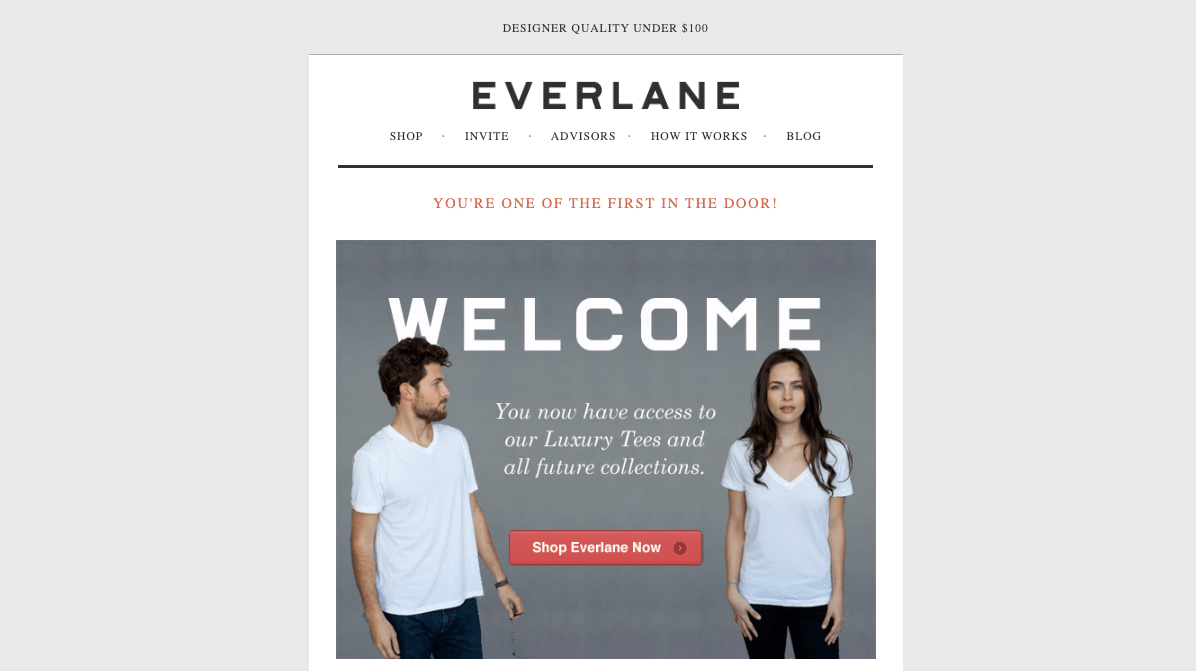
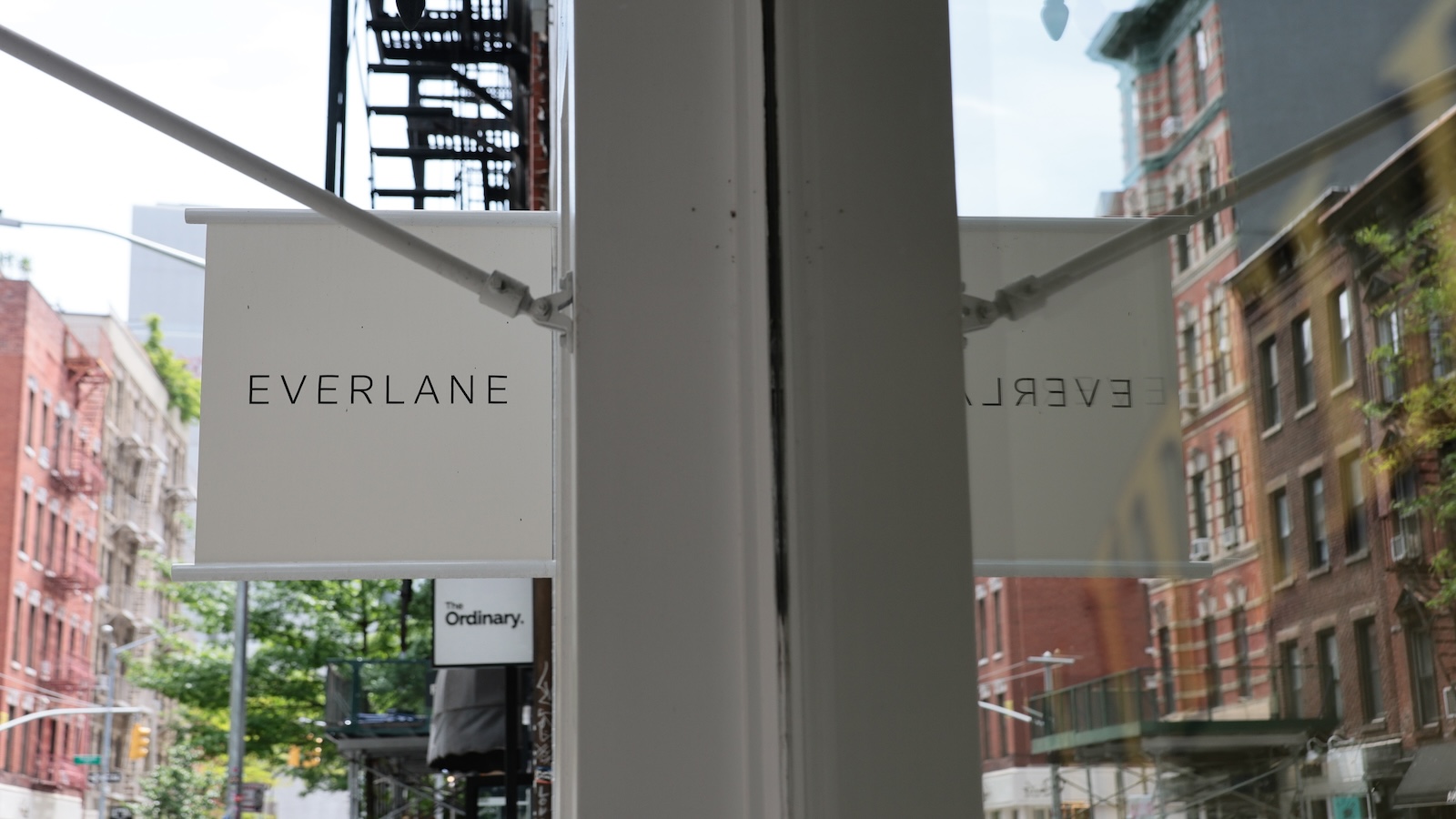
As a college sophomore with an internet connection during the Obama era, I was instantly intrigued by the promise of the new direct-to-consumer clothing brand Everlane. I don’t remember how or when I found out about the fashion startup exactly; I just remember getting the emails. Launched around 2011 with venture capital funding, Everlane styled itself in a sort-of minimalist, pro-consumer ethos. The idea was simple: sell beautiful clothing made really well — so-called “modern basics” — at reasonable prices. The company made it all the more enticing by amping up the exclusivity factor; like the early days of Gmail, you needed an invitation to shop. By forgoing brick-and-mortar stores, Everlane, co-founded by Michael Preysman, advertised itself as cutting out the middleman and allowing the consumer to reap the benefits. Initially, Everlane promised its wares — it started with boxy T-shirts — would always be priced at less than $100.…