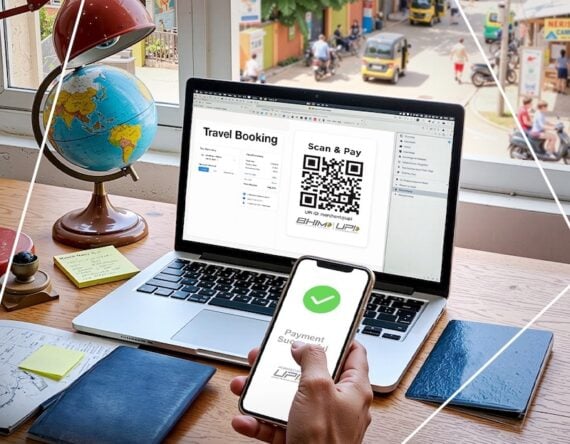
India’s Unified Payments Interface is a government-backed peer-to-peer infrastructure launched in 2016. It allows seamless payments between two bank accounts at near-zero cost. UPI now powers 85% of India’s digital transaction volume, driven by its 900 million mobile internet users. Yet foreign ecommerce brands entering the country often rely on card-based checkout flows. That mismatch hurts conversions from day 1. The high UPI usage means buyers interact with localized, digital-first payment options such as Google Pay, Amazon Pay, PhonePe , and Paytm multiple times every day. From buying vegetables from a small roadside vendor to shopping at an expensive mall or buying groceries online, UPI is used everywhere. For instance, I live in a mid-sized Indian city, Chandigarh. I rarely carry cash or even debit and credit cards. All transactions — food, fuel, school fees — happen on my phone via UPI, prompted mostly by scanning QR codes or, for ecommerce, by clicking the UPI option and entering my password.…