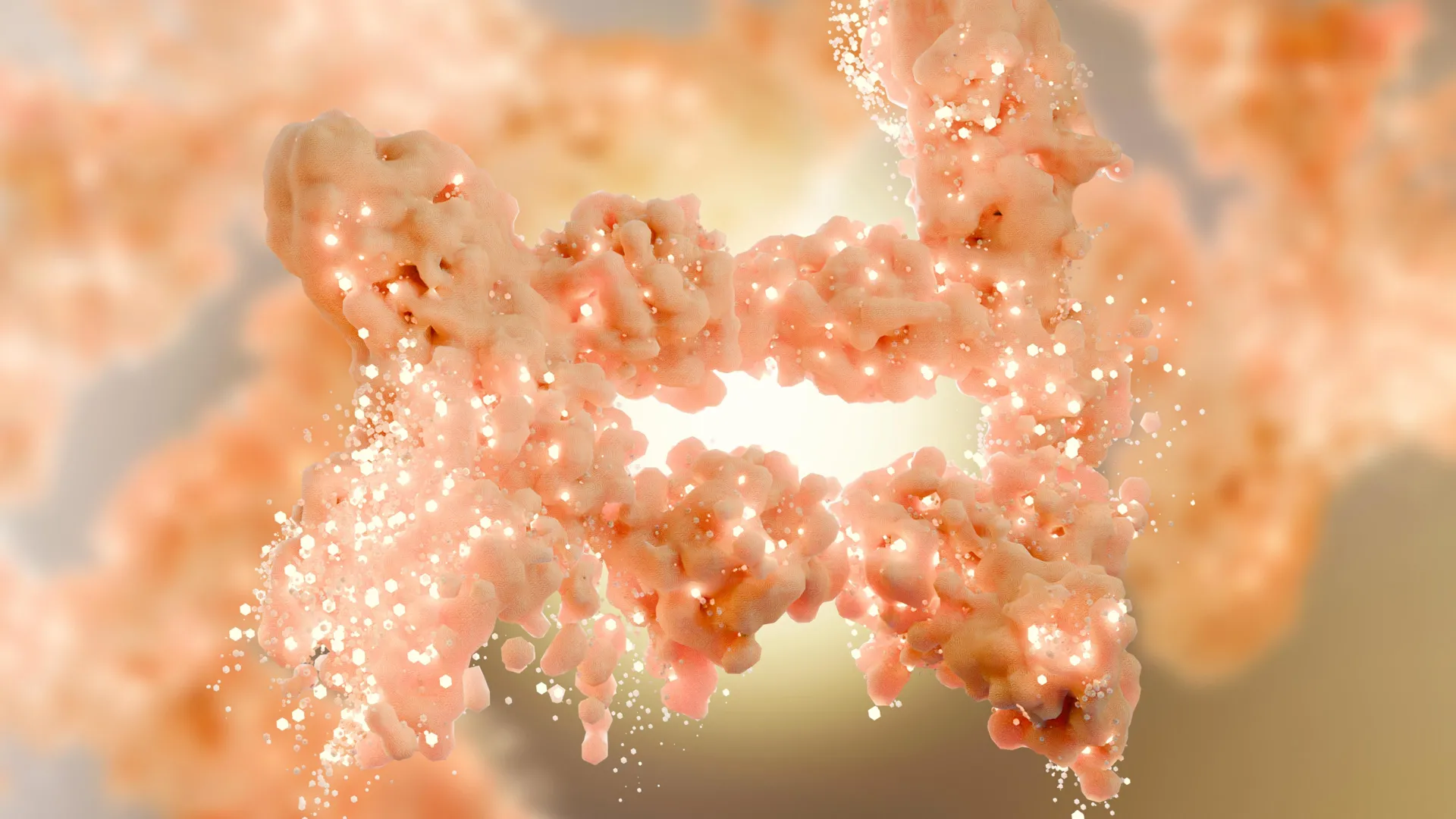
Fat cells, known as adipocytes, are not just passive storage units for excess weight. They play an active role in managing how the body uses and stores energy. Inside these cells, fat is packed into structures called lipid droplets, which act as fuel reserves the body can draw on when needed, such as during fasting between meals. To release this stored energy, the body relies on a protein called HSL. This protein works like a switch. When energy levels drop, hormones like adrenaline activate HSL, triggering the release of fat that can be used by organs throughout the body. Why Losing HSL Does Not Lead to Weight Gain At first glance, it might seem logical that without HSL, fat would build up since the body would struggle to access its stored energy. However, research in mice and in people with mutations in the HSL gene shows a surprising outcome. Instead of gaining fat, these individuals actually lose it. This loss of fat leads to a condition called lipodystrophy, where the body has too little fat tissue.…