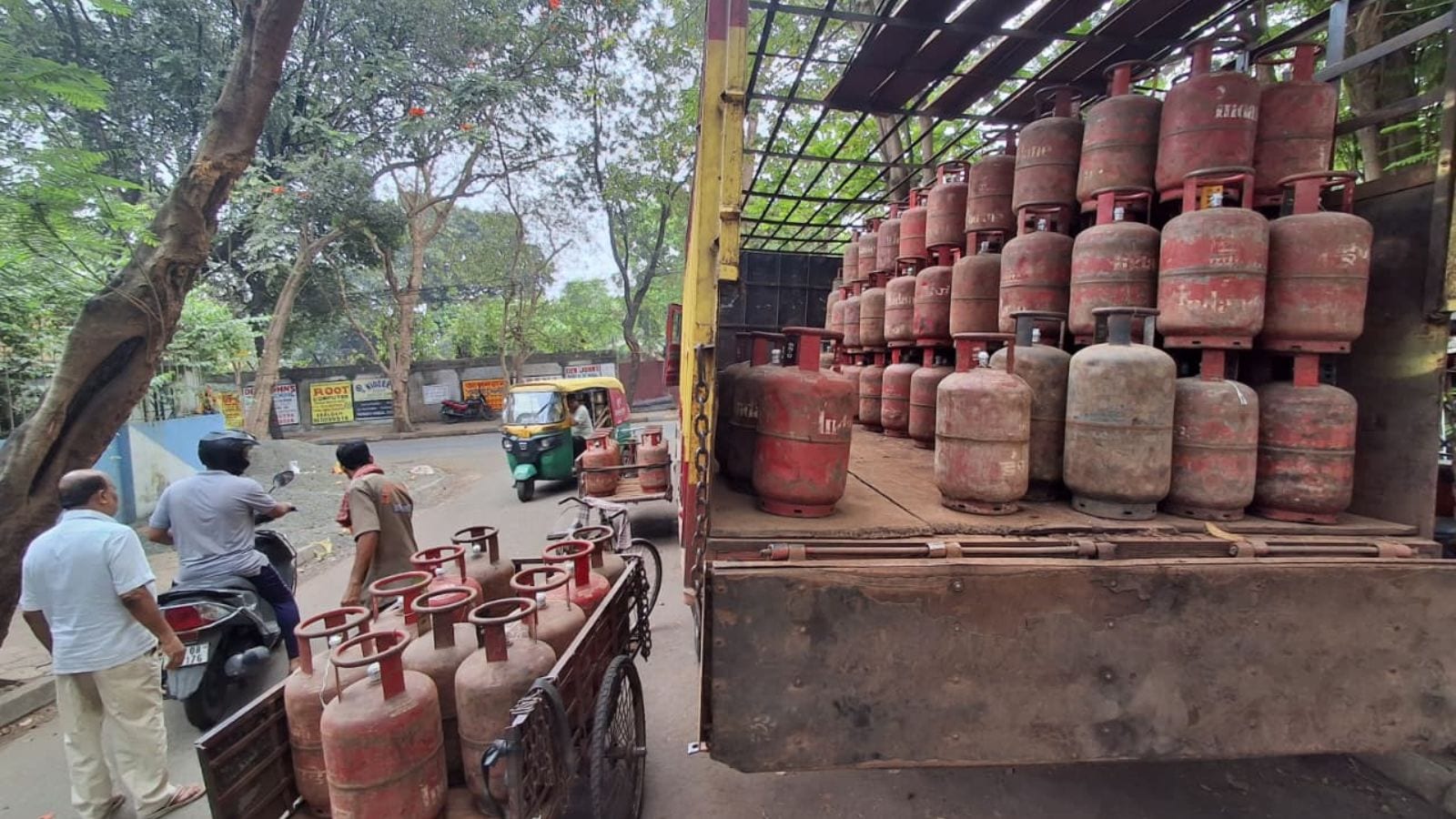
Walk past a roadside eatery in Varanasi at six in the morning, and you will see a familiar sight: The kettle on, the chulha glowing, and the first batch of puri-jalebi being prepared. What you may not notice is the smoke above it. Multiply that smoke by the lakhs of small commercial eateries across India’s cities, and you begin to see the scale of a problem my colleagues and I have spent the past year trying to measure. In Varanasi, Guwahati and Ludhiana — three cities where we have undertaken detailed studies — commercial eateries, including tea shops, dhabas, canteens, sweet shops, restaurants and mid-day meal kitchens, account for roughly 10 per cent of PM2.5 emissions. But their pollution matters disproportionately because it peaks during the morning and evening hours. Until a few months ago, there was good news to report. These establishments were quietly shifting from coal and biomass to LPG. But this trend is now reversing due to supply constraints and rising LPG costs.…