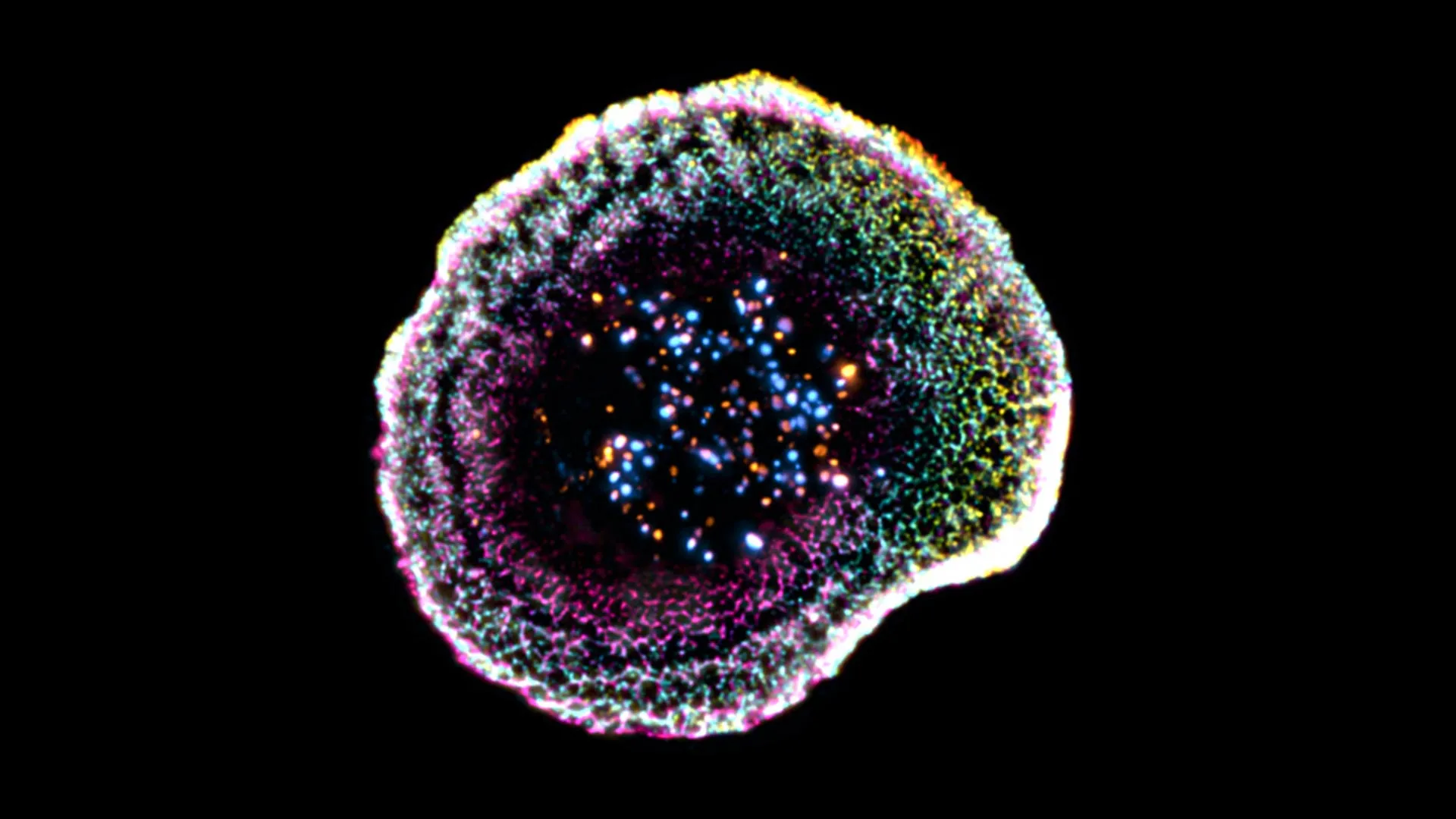
Cytotoxic T lymphocytes act as the immune system's specialized "killer" cells, seeking out and eliminating infected or cancerous cells with remarkable precision. Their effectiveness depends on a tightly controlled contact point called the "immune synapse," where they release toxic molecules that destroy the target while leaving surrounding healthy cells unharmed. Until recently, scientists struggled to observe the fine structure of this process in detail. Now, researchers from the University of Geneva (UNIGE) and the Lausanne University Hospital (CHUV) have managed to visualize these mechanisms in three dimensions under near-native conditions. Their findings, published in Cell Reports , shed new light on how the internal organization of cytotoxic T cells supports their function and could advance research in immuno-oncology. When the body faces infection or cancer, cytotoxic T lymphocytes bind tightly to their target and form the immune synapse.…