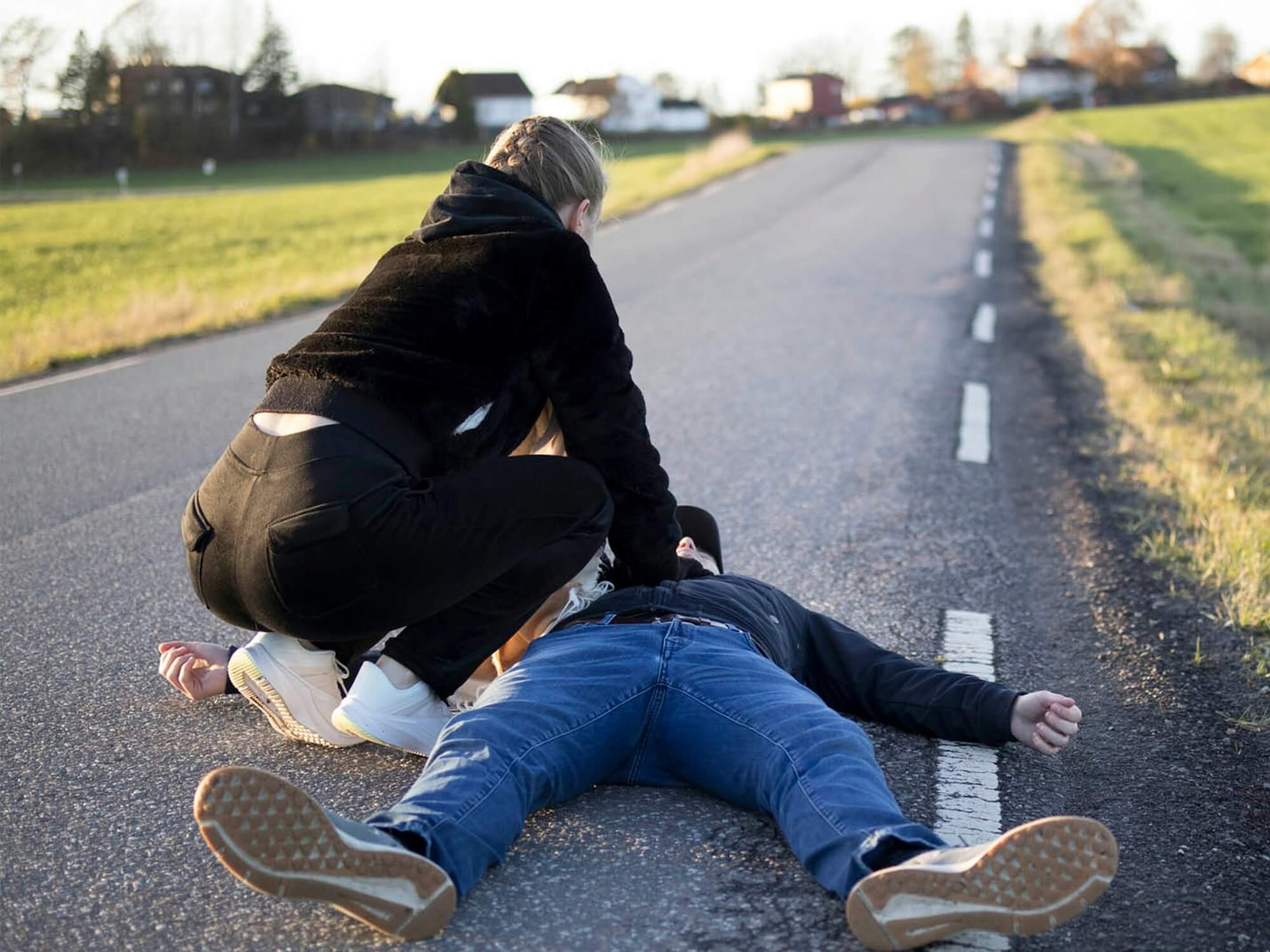
When someone collapses, the outcome usually depends on instructions provided by an emergency dispatcher. ChatCPR outperformed human guidance on every measure. Roughly 350,000 Americans suffer an out-of-hospital cardiac arrest each year. Tragically, only about 10% survive. One reason is that just 2% of the population is trained in CPR, so when someone collapses on a sidewalk or in a living room, what happens next usually comes down to a 911 dispatcher talking a panicked stranger through chest compressions. Researchers at UC San Diego, working with the University of Pittsburgh and Johns Hopkins, have built an AI tool designed to do that job. In a study published in JAMA Internal Medicine, it outperformed human dispatchers on every measure. The tool, called ChatCPR , was tested against recordings of real 911 calls in which dispatchers had already coached bystanders through resuscitation. On basic steps — hand placement, compression rate, depth — dispatchers hit 85% of the guideline checklist. ChatCPR hit 100%.…