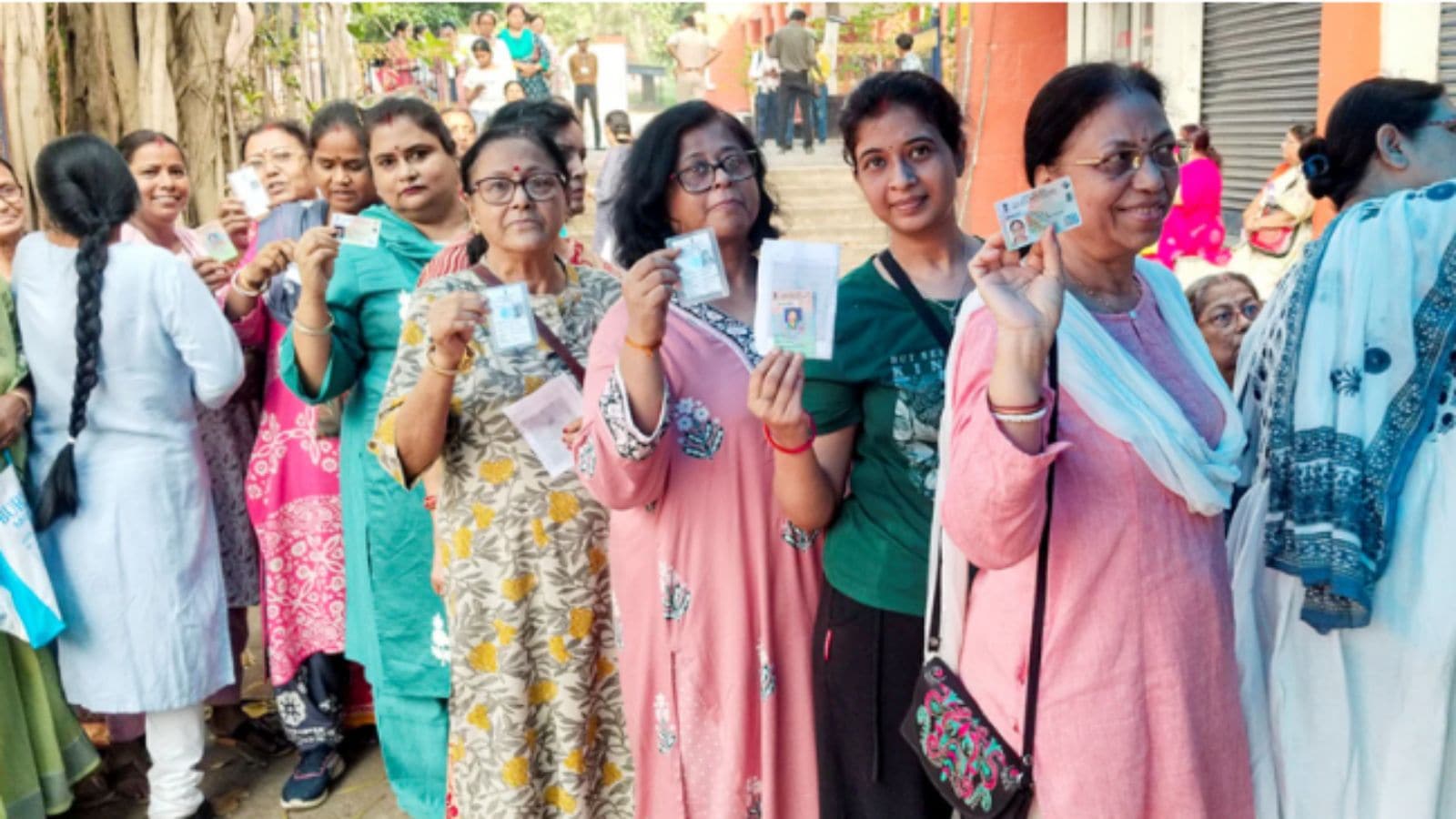
In Women and Power , the British classicist Mary Beard asks, “how and why do the conventional definitions of ‘power’, (or for that matter, of ‘knowledge’, ‘expertise’ and ‘authority’)… exclude women?” Beard goes on to explain that this exclusion, from “politics in its widest sense, from office committees to the floor of the House”, is not a prejudice that crept into Western civilisation. It was one of its founding gestures. As the Assembly elections across Assam, Kerala, Puducherry, Tamil Nadu and West Bengal reach their culmination with the final phase in Bengal on April 29, and in the aftermath of the uproar over the stalled Constitution (131st Amendment) Bill, 2026, which attempted to yoke delimitation to the implementation of the Nari Shakti Vandan Adhiniyam, it is tempting to extend Beard’s hypothesis to the the Indian context to examine, yet again, how political parties look at women’s agency beyond its immediate electoral appeal. At first glance, India appears to complicate Beard’s formulation.…