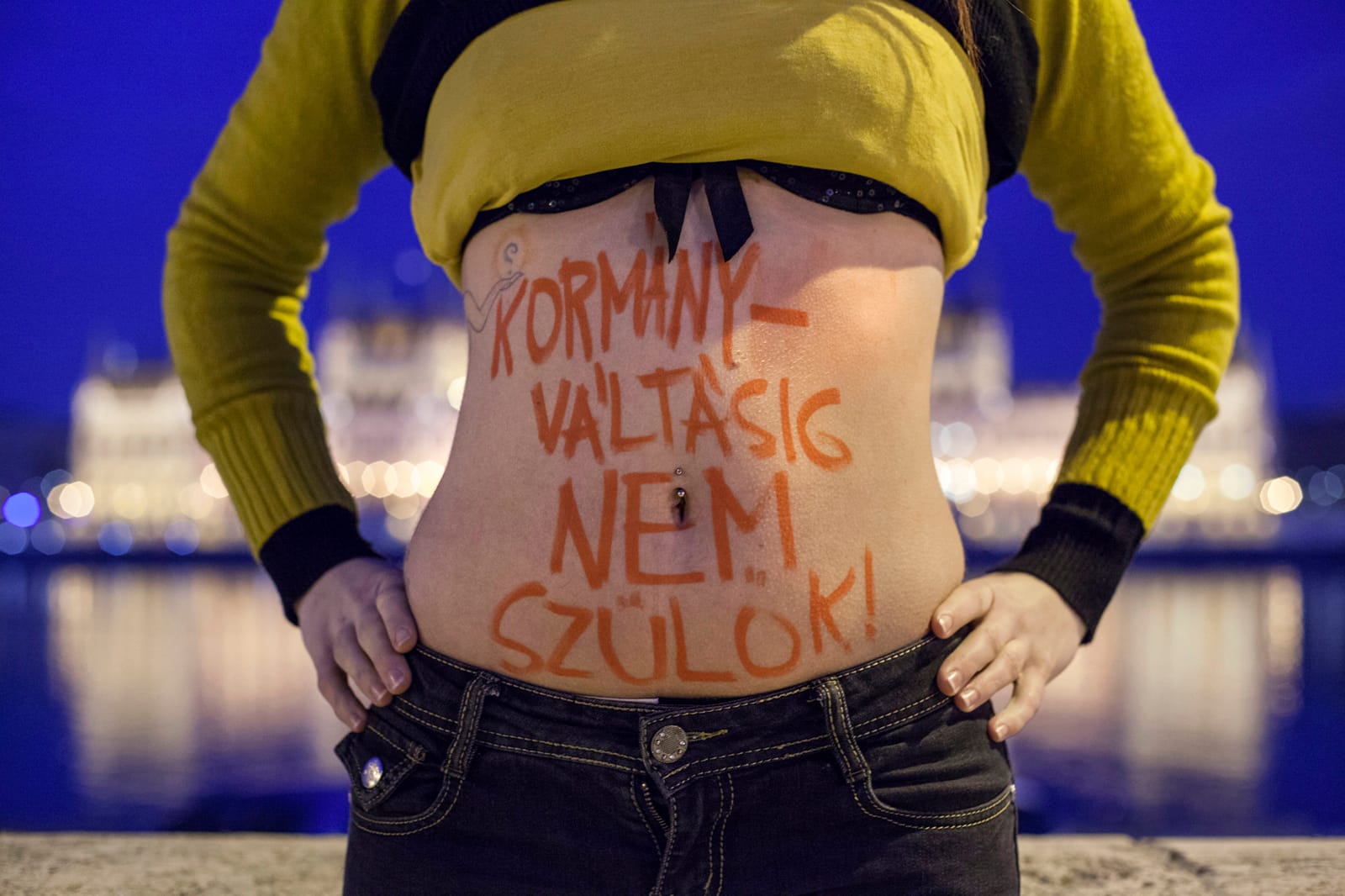
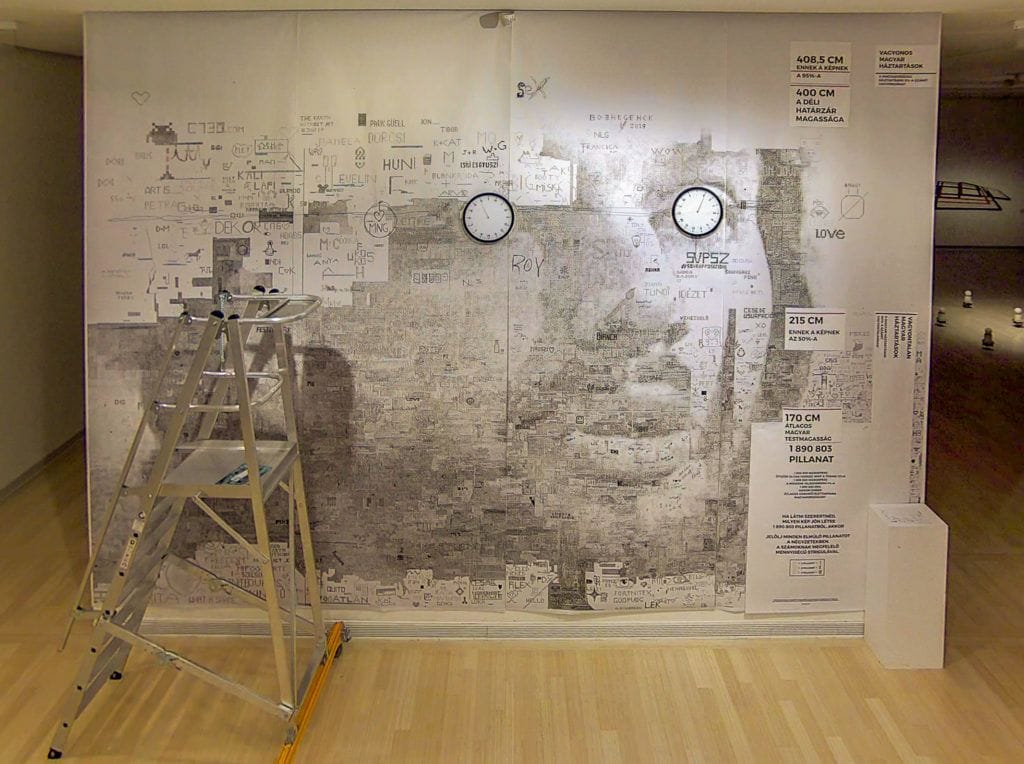
Having lived my entire adult life under right-wing authoritarian Viktor Orbán’s regime, his colossal defeat at Hungary’s parliamentary elections last Sunday by Tisza, the largest opposition party, still feels hard to believe. Witnessing people in my hometown, Budapest, erupt with joy — dancing in the streets, strangers high-fiving each other — makes me hopeful that after 16 years, the Orbanization of culture and the instrumentalization of art institutions to broadcast the regime’s ethno-nationalist, conservative Christian agenda may finally be coming to an end. The Hungarian art scene now stands at a watershed moment, much like in 1989 after the collapse of the Soviet Union, and the task of restoring our institutional ecosystem is immense.…