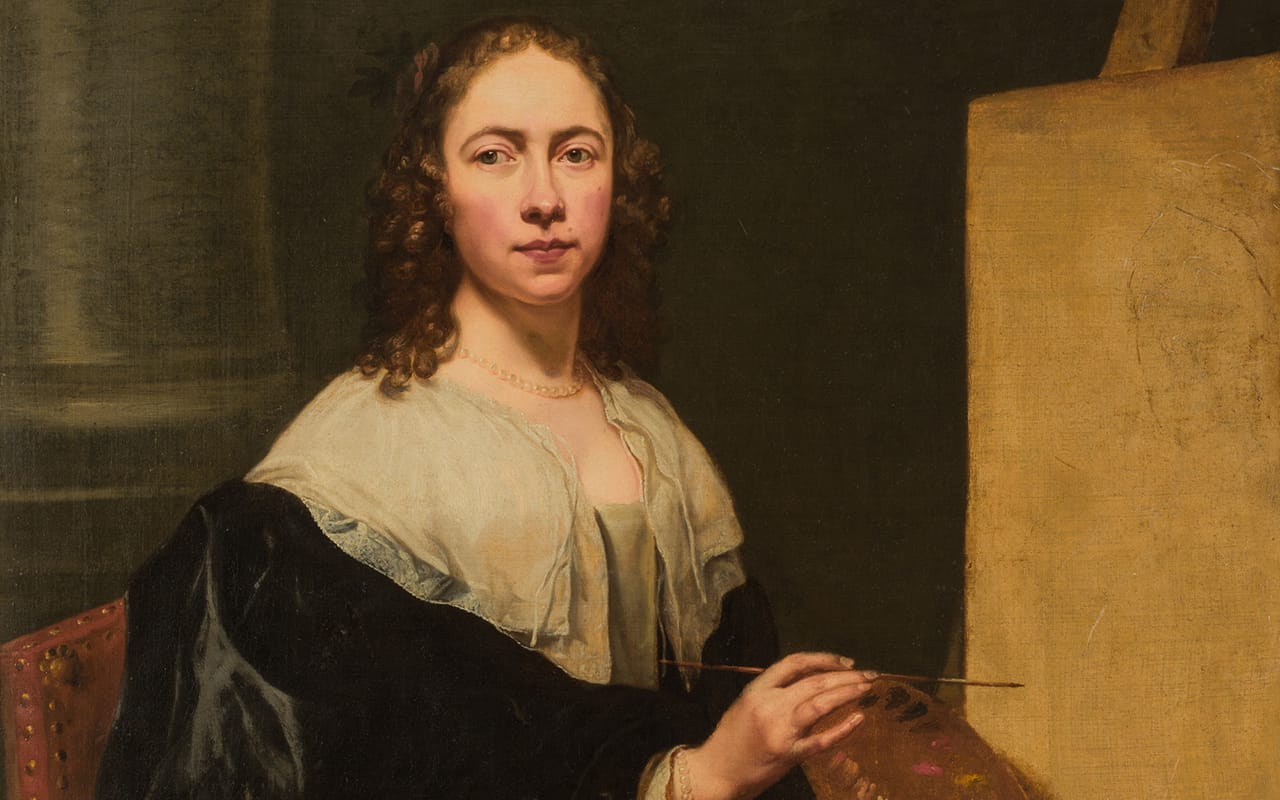
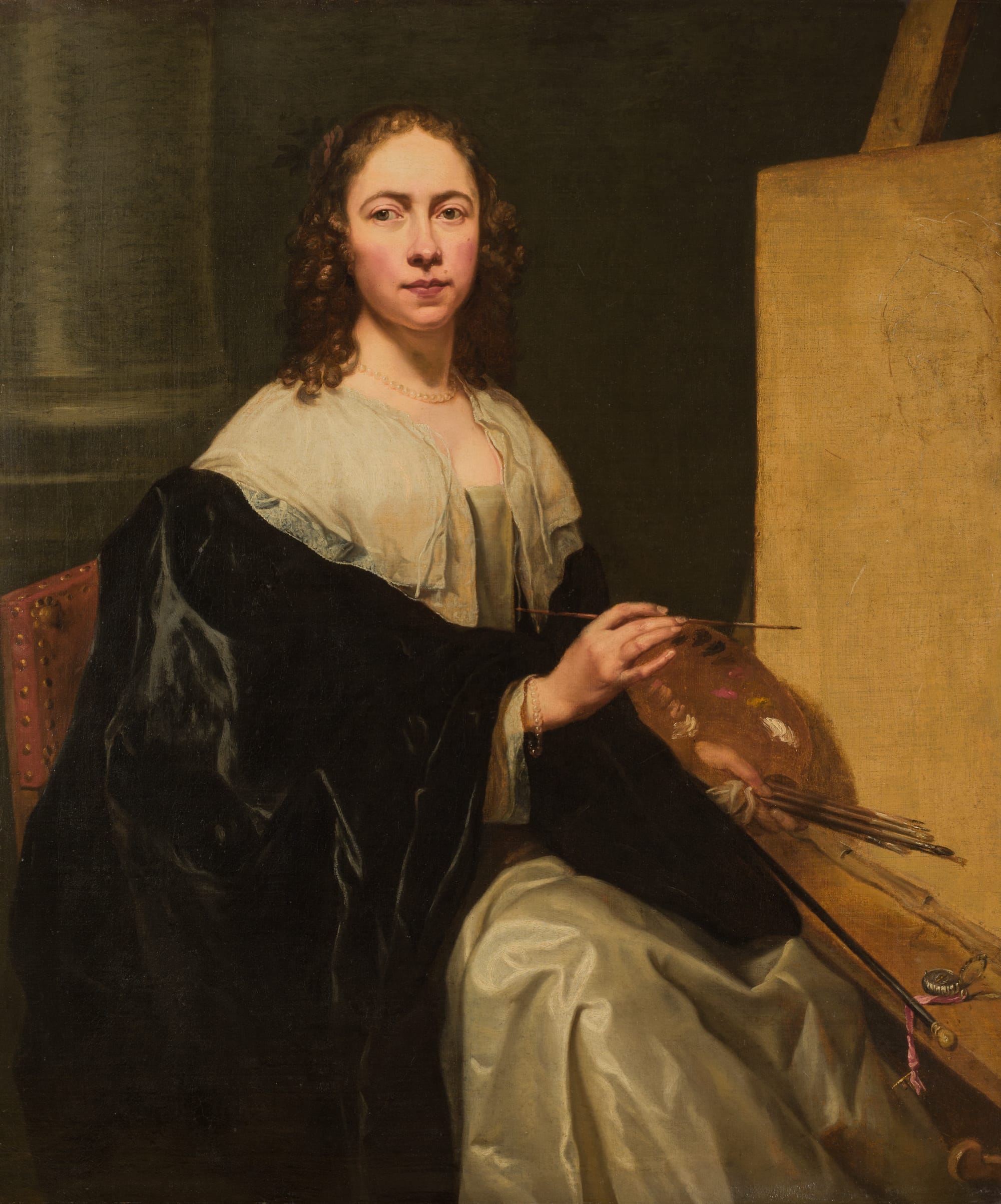
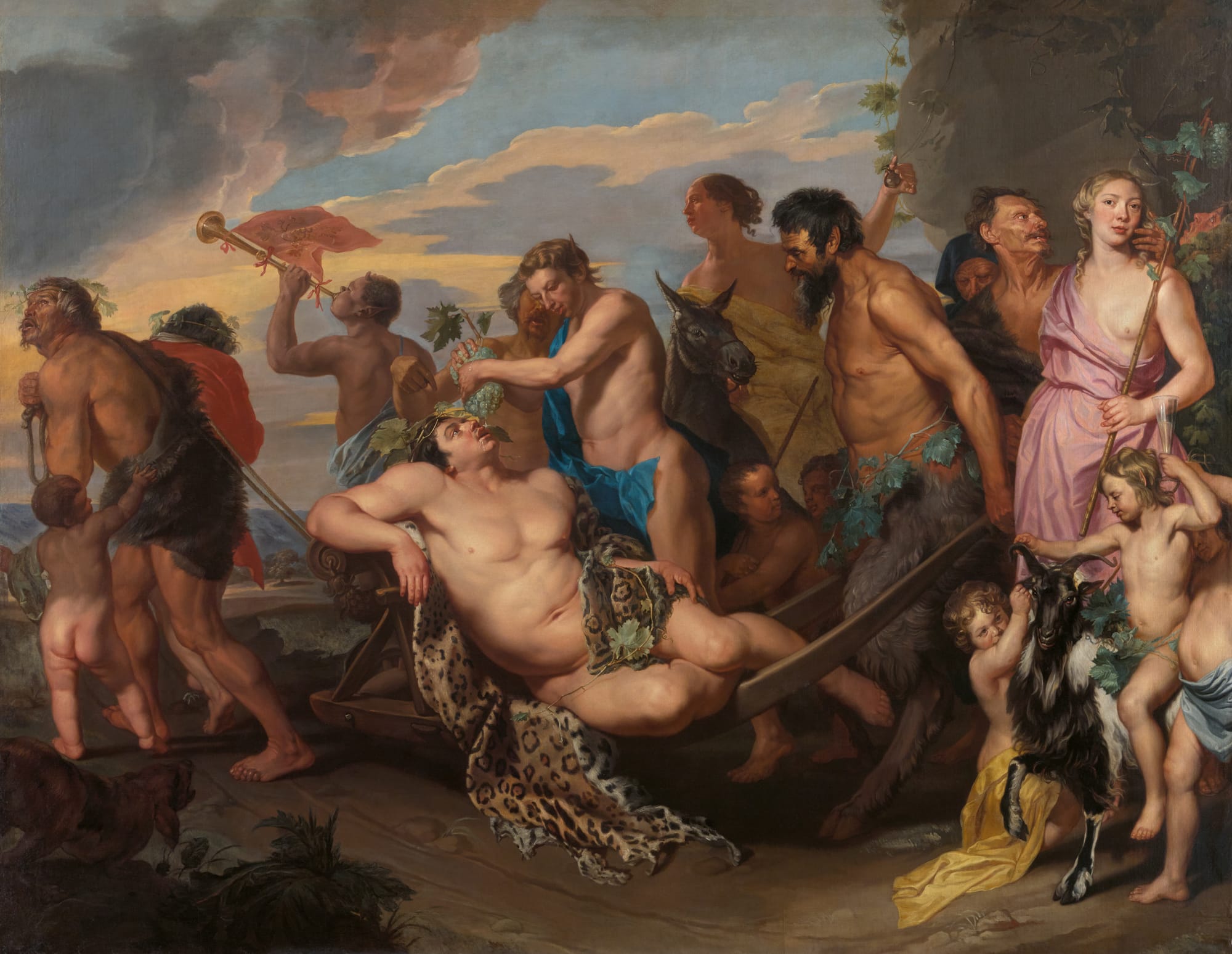
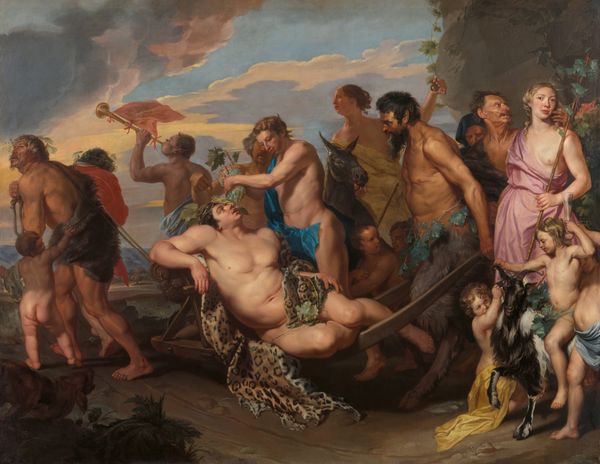
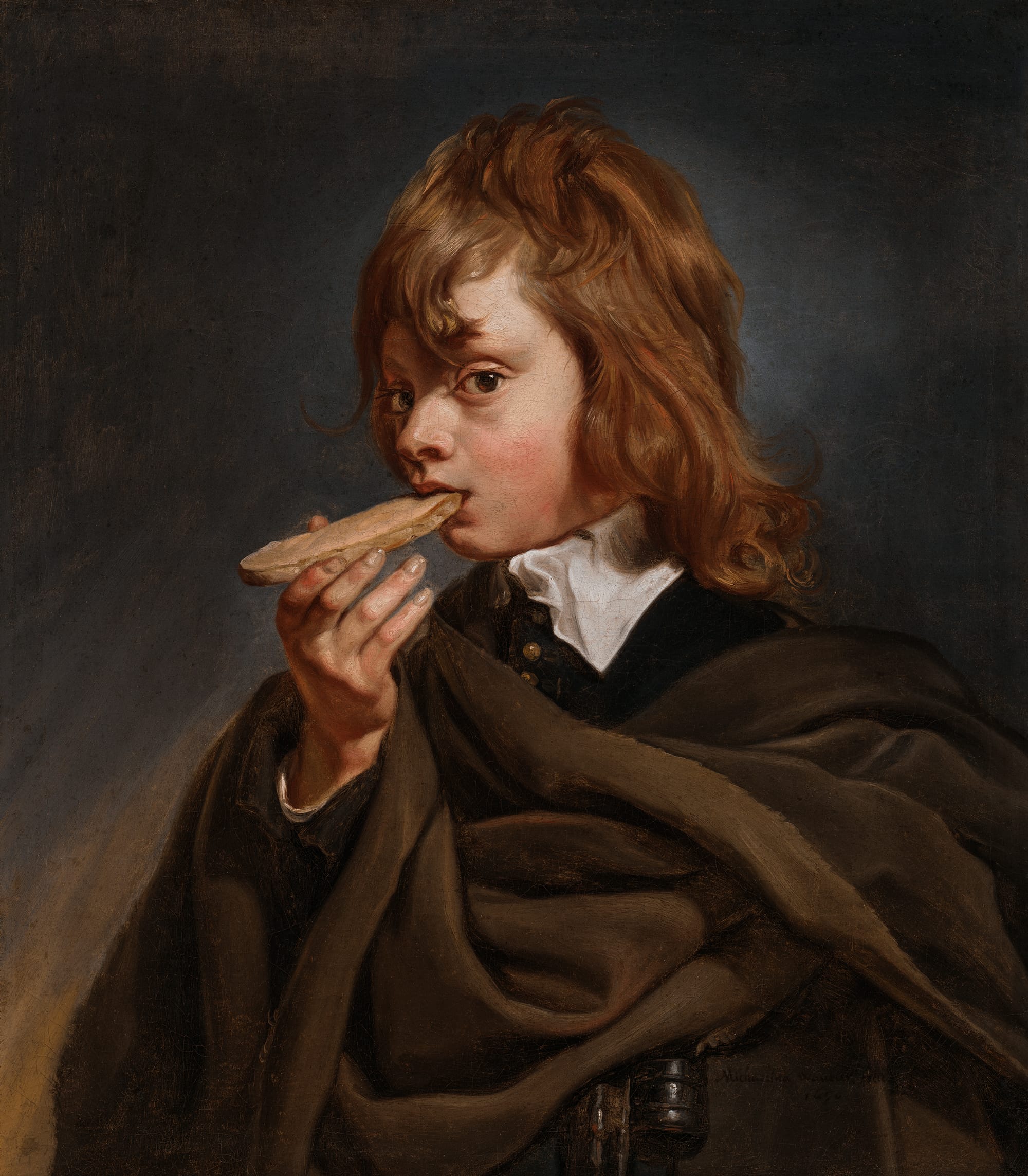
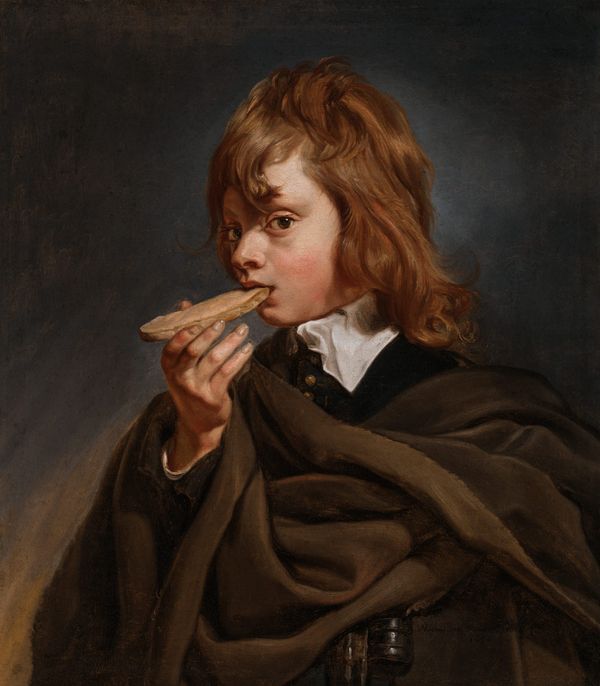
Michaelina Wautier, "Self-portrait" (circa 1650) (all photos courtesy the Royal Academy of Arts) LONDON — The most remarkable aspect of the Royal Academy’s newly opened monographic exhibition on Michaelina Wautier (1604–1689) is its rediscovery of a talent on a par with the likes of Van Dyck and Rubens. Despite apparent success and recognition during her lifetime, the artist seemingly flew undetected — or, more accurately, misattributed — beneath our noses for centuries.  Wautier is an art-historical anomaly; working in mid-17th-century Brussels, she spans wide genres from flower pieces to portraiture all the way up to grand, male-dominated history painting , excelling throughout.  Her versatility defied the contemporary confinement of women to decorative or floral work — then seen as “lower” genres in the hierarchy of painting — preventing easy categorization or attribution.…