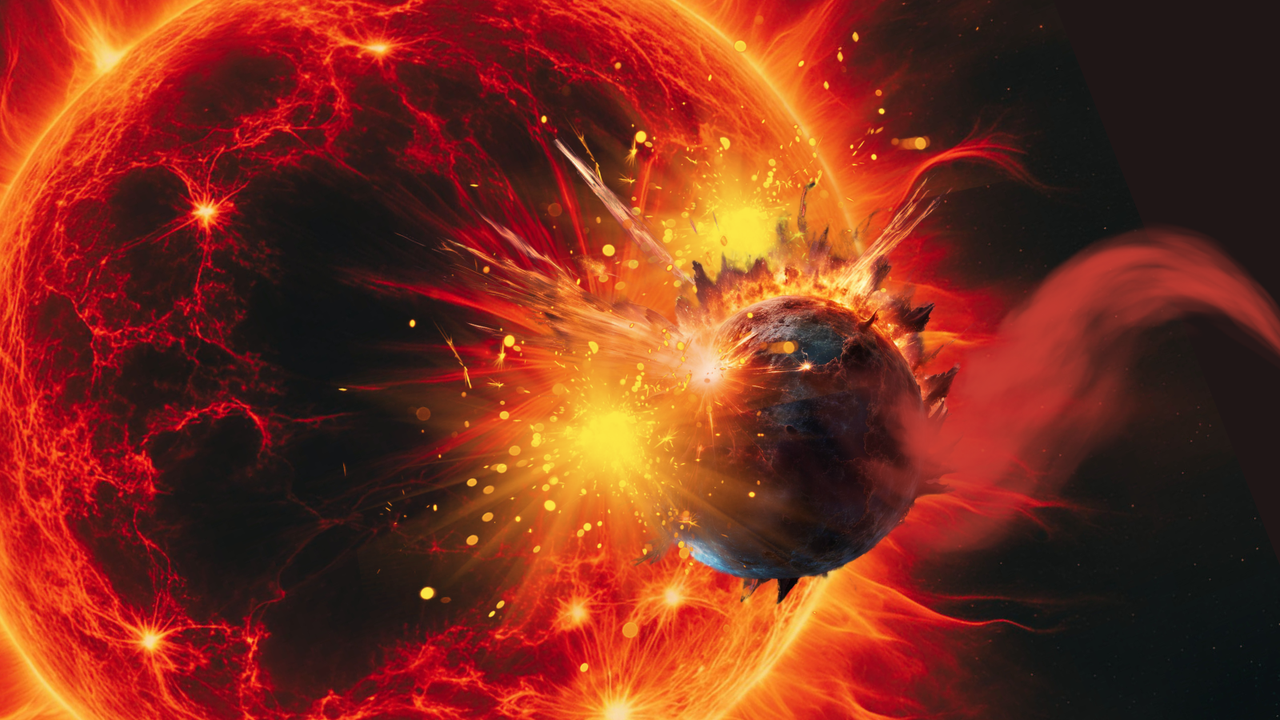
We know that stars can engulf planets because stars that swell up to become red giants overwhelm any close-in planets. The Sun will do this to Venus, Mercury, and possibly Earth in a few billion years.…
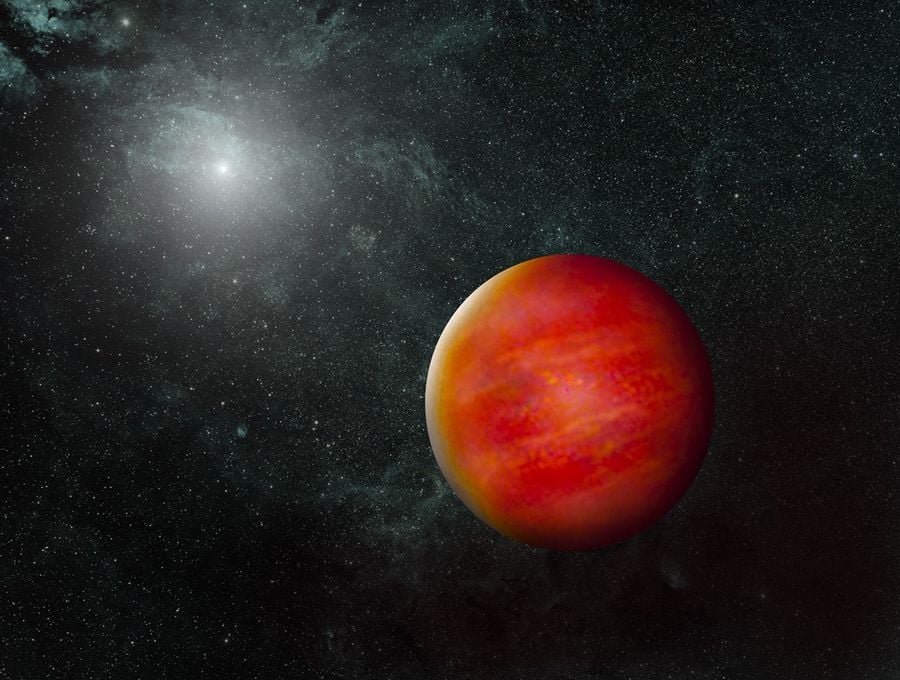
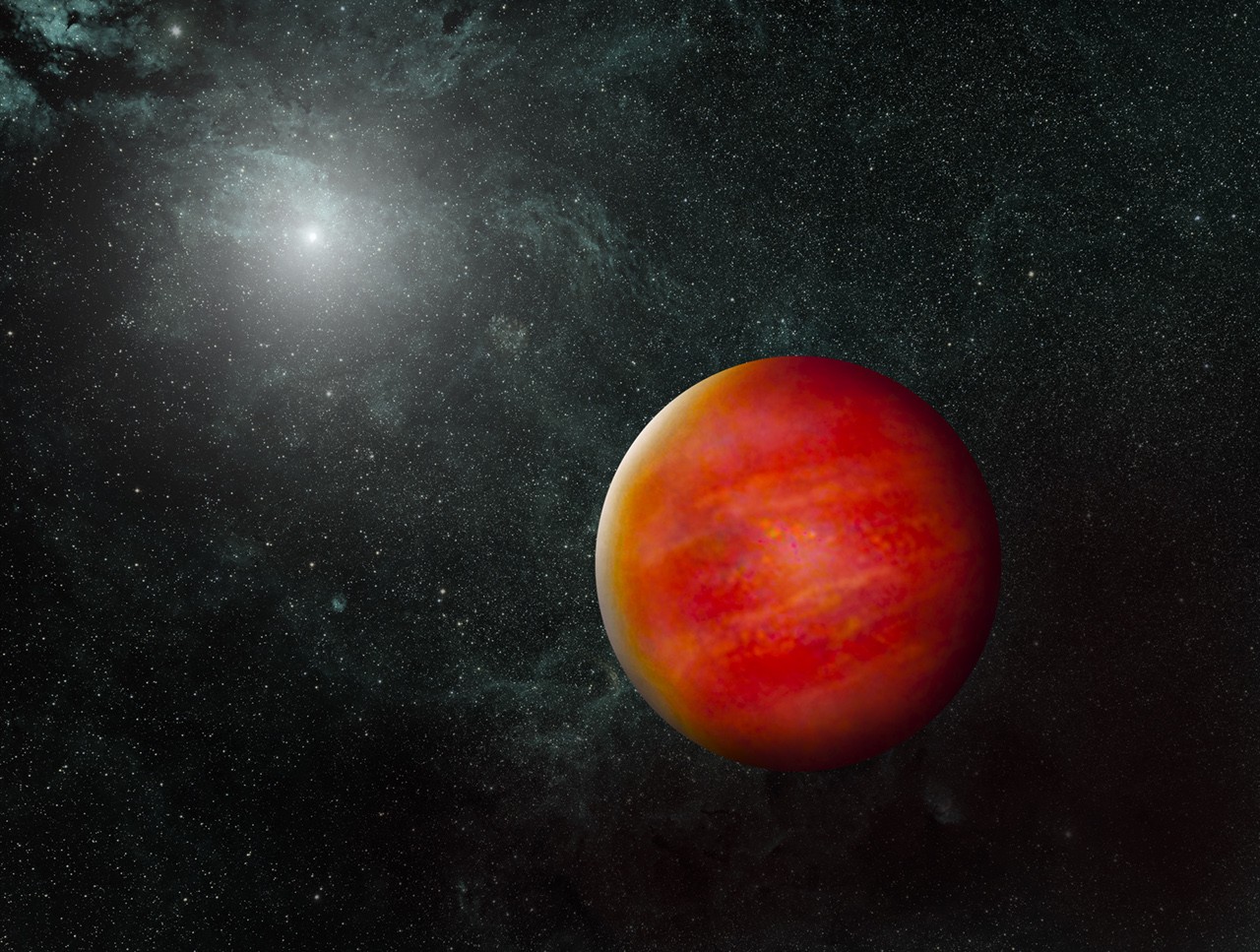
Brown dwarfs are notoriously difficult to find. These “failed stars” aren’t big enough to sustain nuclear fusion, and therefore aren’t as bright as more traditional main sequence stars.…
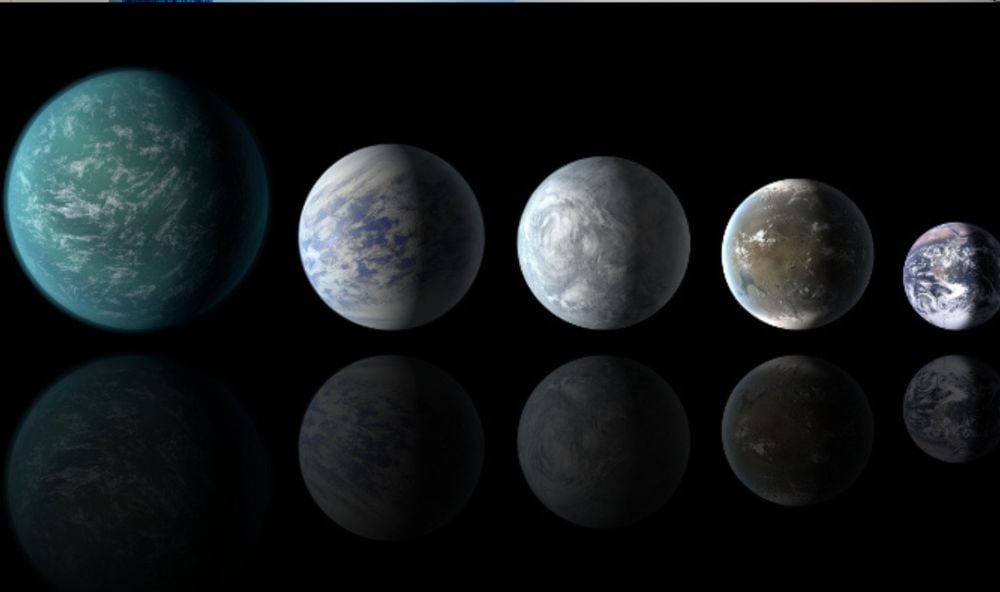
Kepler and TESS showed us that there's a radius gap in the exoplanet population. There are very few planets between 1.5 and 2 Earth radii, according to the data. But new research shows that the gap may not be as significant as thought.
A new paper from NASA’s Backyard Worlds: Planet 9 project announces that volunteers have essentially doubled the number of known brown dwarfs, with over 3,000 new discoveries made over the past 10 years since the project began.…