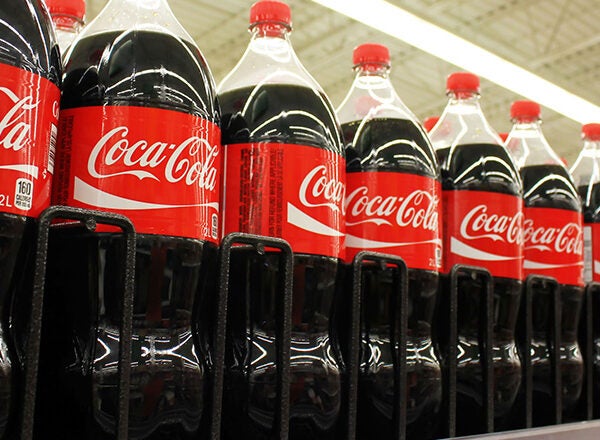
‘Sin tax’ is defined as a tax on a product that can be harmful to a person, such as cigarettes or sugary drinks. In many cases, these taxes are an incentive to lower consumption and improve health. But sin taxes can disproportionately hurt lower-income consumers, while wealthy shoppers enjoy tax breaks on items only they can afford, such as energy-efficient windows and appliances. A recent study by Benjamin Lockwood, a Wharton professor of business economics and public policy, and coauthor Dmitry Taubinsky from Dartmouth College examines the impact of sin taxes and whether there is a middle ground. The researchers also look at what is being called “revenue recycling,” where these taxes can be used to fund initiatives that benefit lower-income consumers. Lockwood recently spoke about their research on the Knowledge at Wharton show on Wharton Business Radio on SiriusXM channel 111 . (Listen to the podcast at the top of this page.) An edited transcript of the conversation follows.…