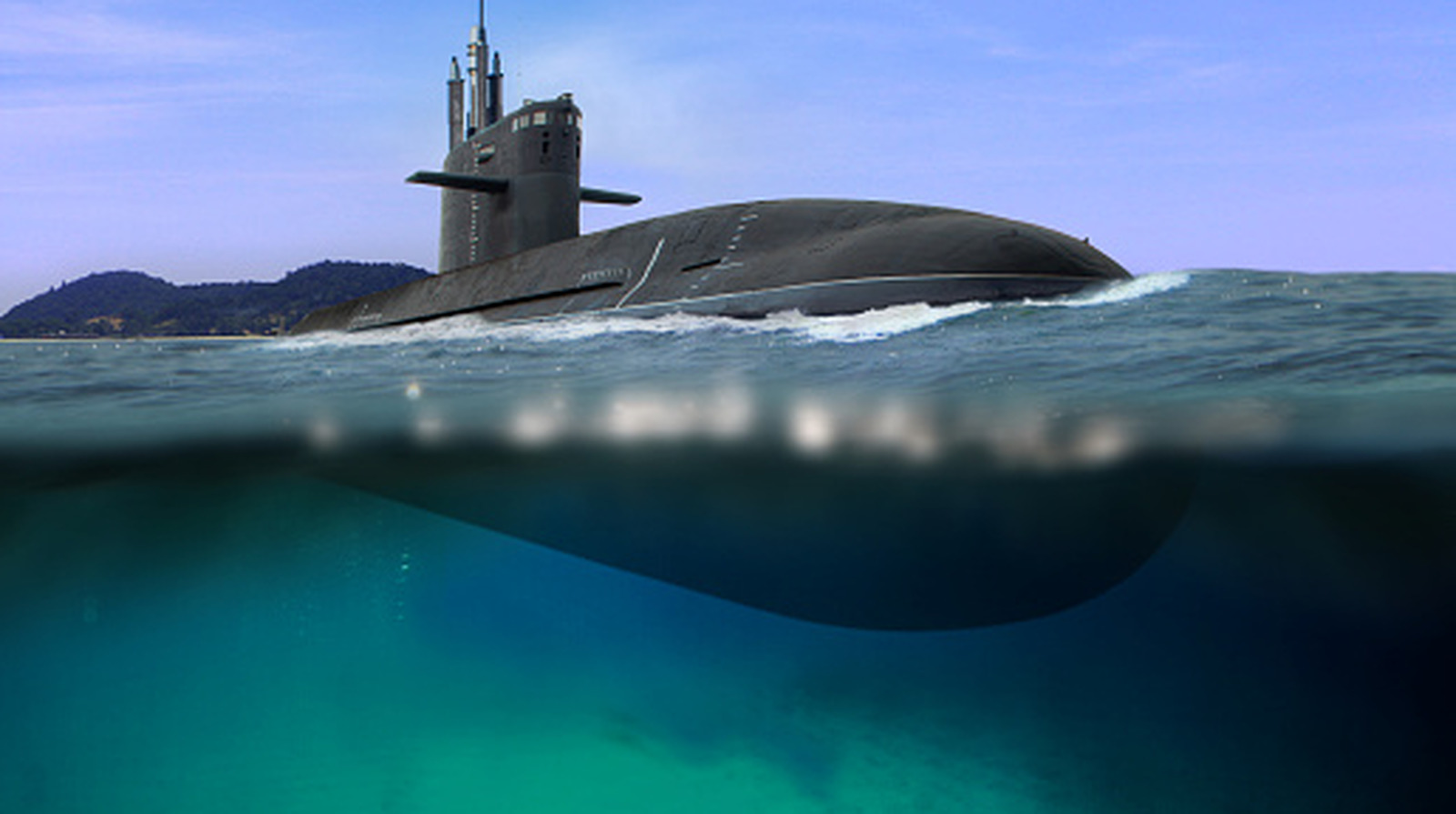
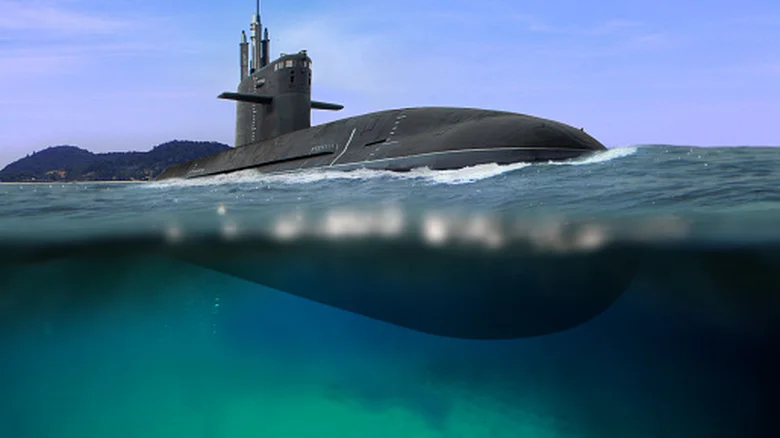
Razihusin/Getty Images Submarine stealth has always represented the most intuitive form of clandestine traversal. What better way to conceal your movements than to hide under 1,000 feet of ocean water? Traditional countermeasures have relied on acoustics, like active or passive sonar (which is also one of the ways subs navigate ) and sonobuoys, or good old-fashioned visual detection, searching the waves for a submarine's distinctive silhouette, scanning for its wake, or even watching for bioluminescence stirred up by a sub's hull. The limitations of those methods are pretty self-evident. The whole purpose and science behind a submarine is to hide from sight, making visual detection challenging under the best conditions. And acoustic detection can be counteracted by running quietly, or coating a vessel in a material that absorbs sonar. That's why stealth detection research is pivoting to quantum mechanics.…