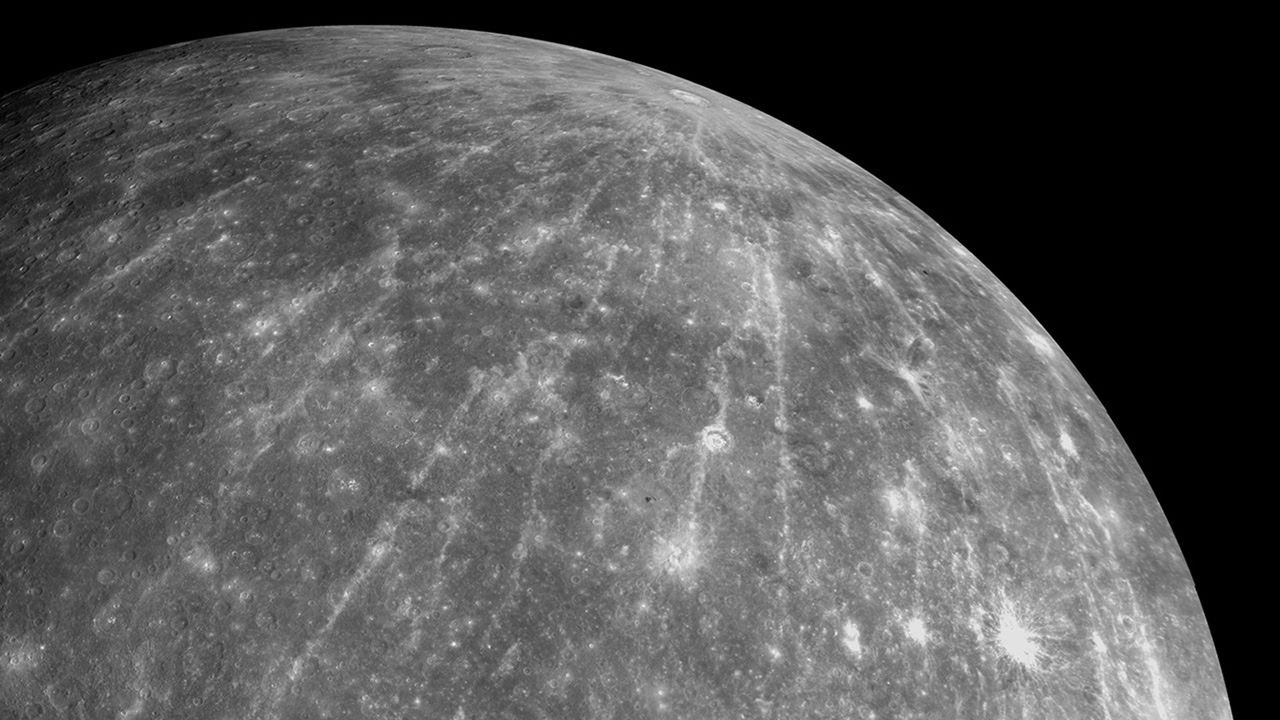
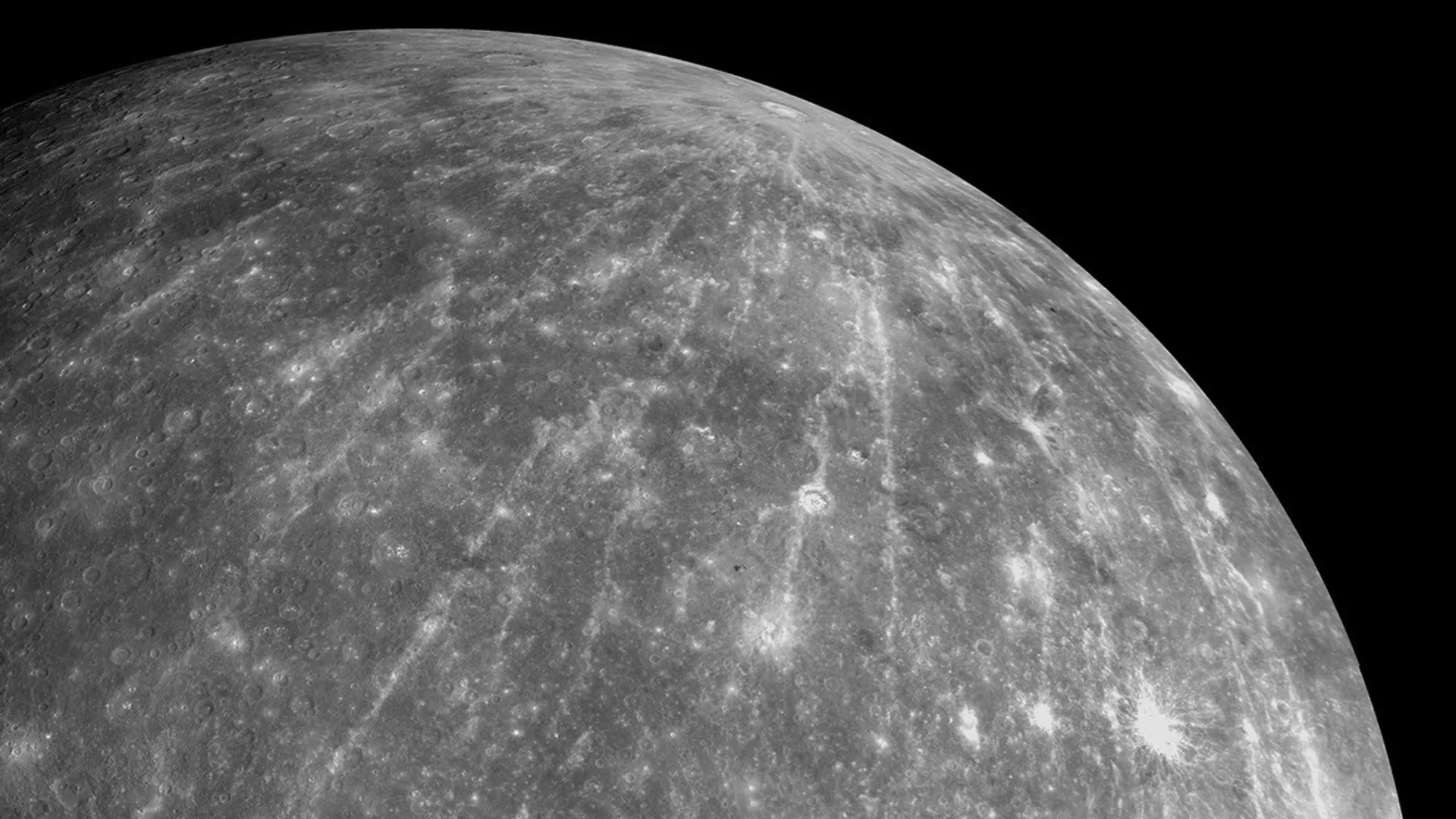
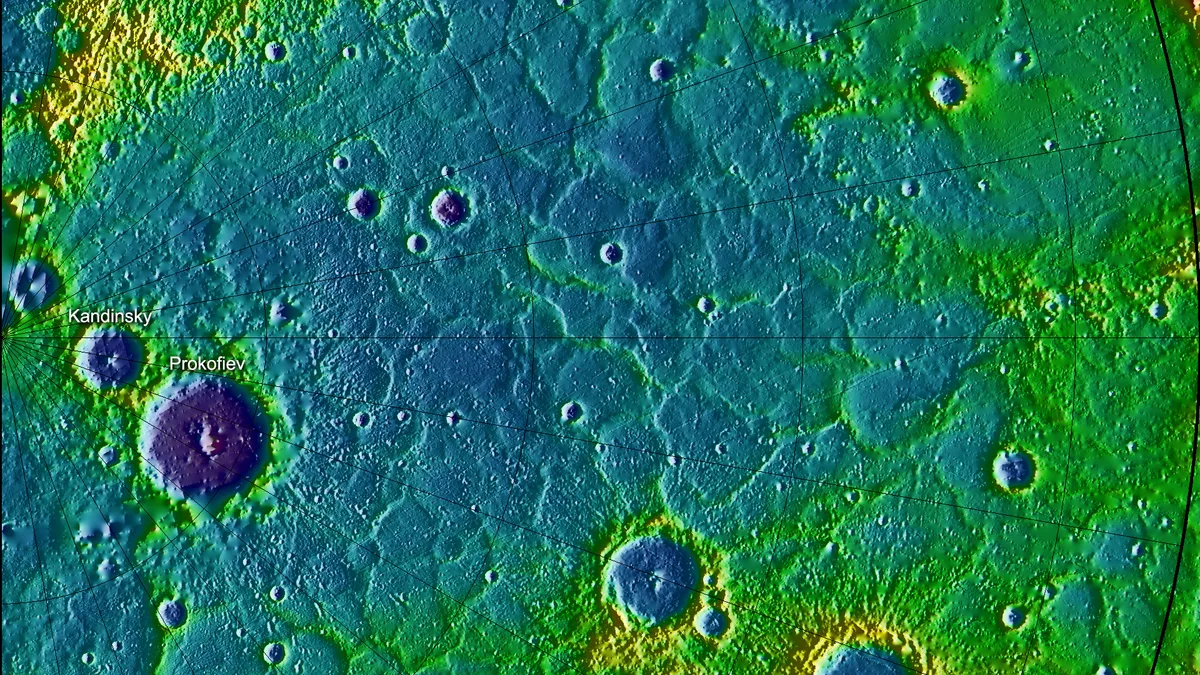
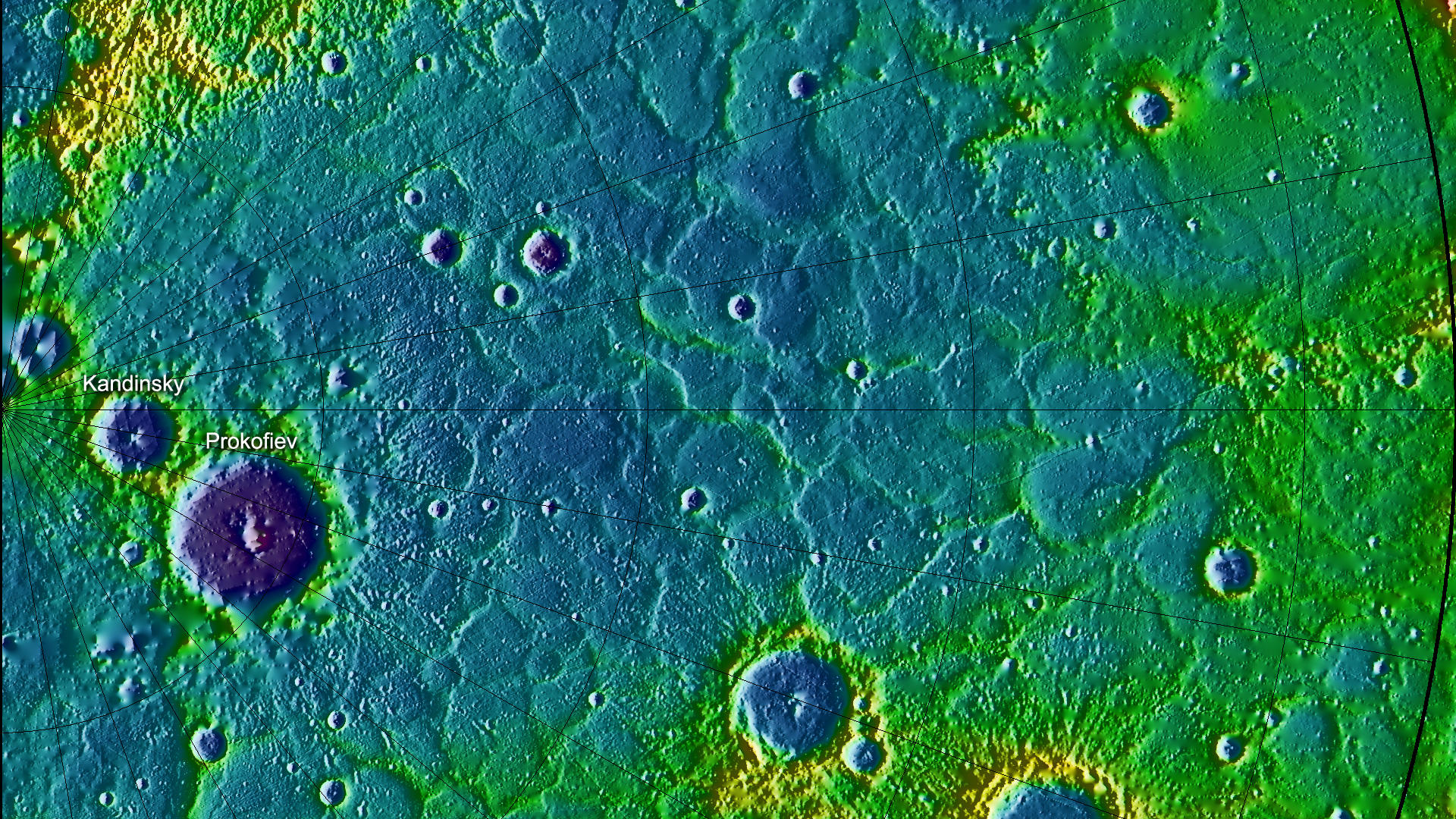
New simulations suggest a massive impact similar to the one that formed Hokusai crater (pictured) may have, in just one Mercurian day (176 Earth days), rapidly transported water across Mercury and trapped it in permanently shadowed polar craters. (Image credit: NASA/Johns Hopkins University Applied Physics Laboratory/Carnegie Institution of Washington) A single colossal impact may have rapidly spread water across Mercury and locked much of it into permanently shadowed polar craters — all within the span of a single Mercurian day, or 176 Earth days, according to a new study. Being the closest planet to the sun, Mercury seems like the last place in the solar system where water ice should survive. The sun appears nearly three times larger in Mercury's sky than it does from Earth, while daytime temperatures on the scorched world can soar above 800 degrees Fahrenheit (427 degrees Celsius).…