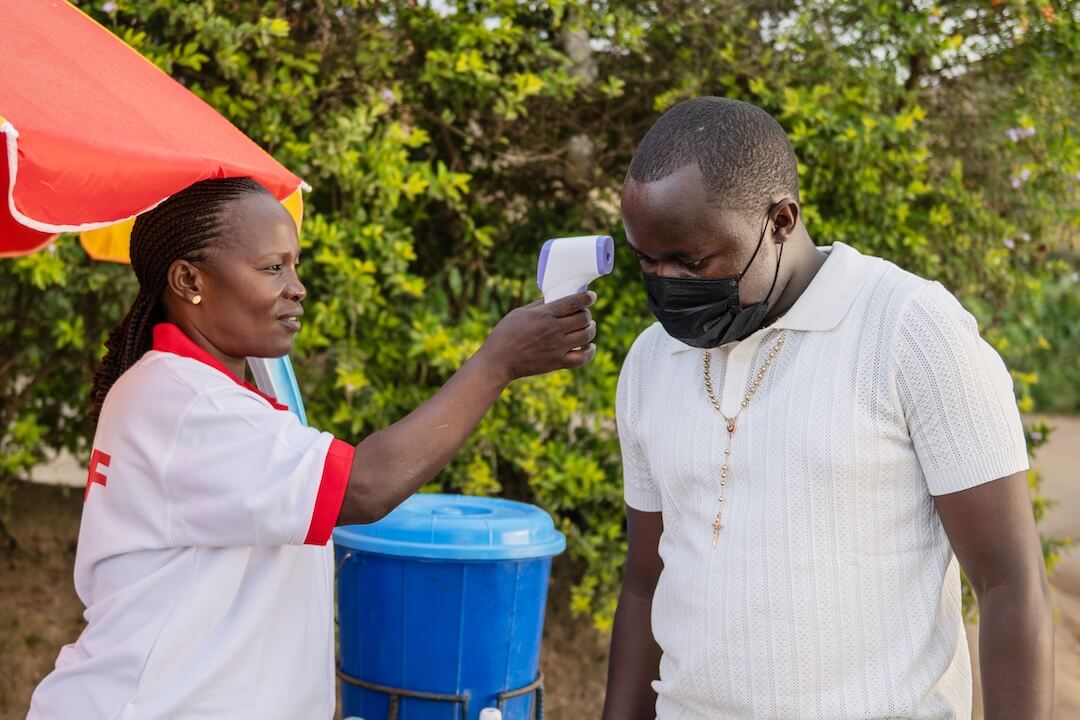
After working on the front lines of public health for 20-plus years, through several waves of Ebola crises and COVID-19, Alfayo Wamburi knows a thing or two about how people understand infectious disease outbreaks. And after all that time, he says he’s noticed journalists still tend to make the same mistakes. “Over and over we have used fear techniques to drive our communication,” said Wamburi, a Ph.D. behavioral specialist working for the Johns Hopkins Center for Communication Programs based in Kenya. “And it doesn’t work.” Equally harmful to public education and trust are stories that minimize concerns. Recent headlines about Ebola tend to focus on reassurance: Your risk is low, don’t panic, nothing to see here. While these stories are meant to be reassuring, they could be turning the audience away. When people are worried and they hear officials or reporters dismissing their concerns, they tend to stop listening.…