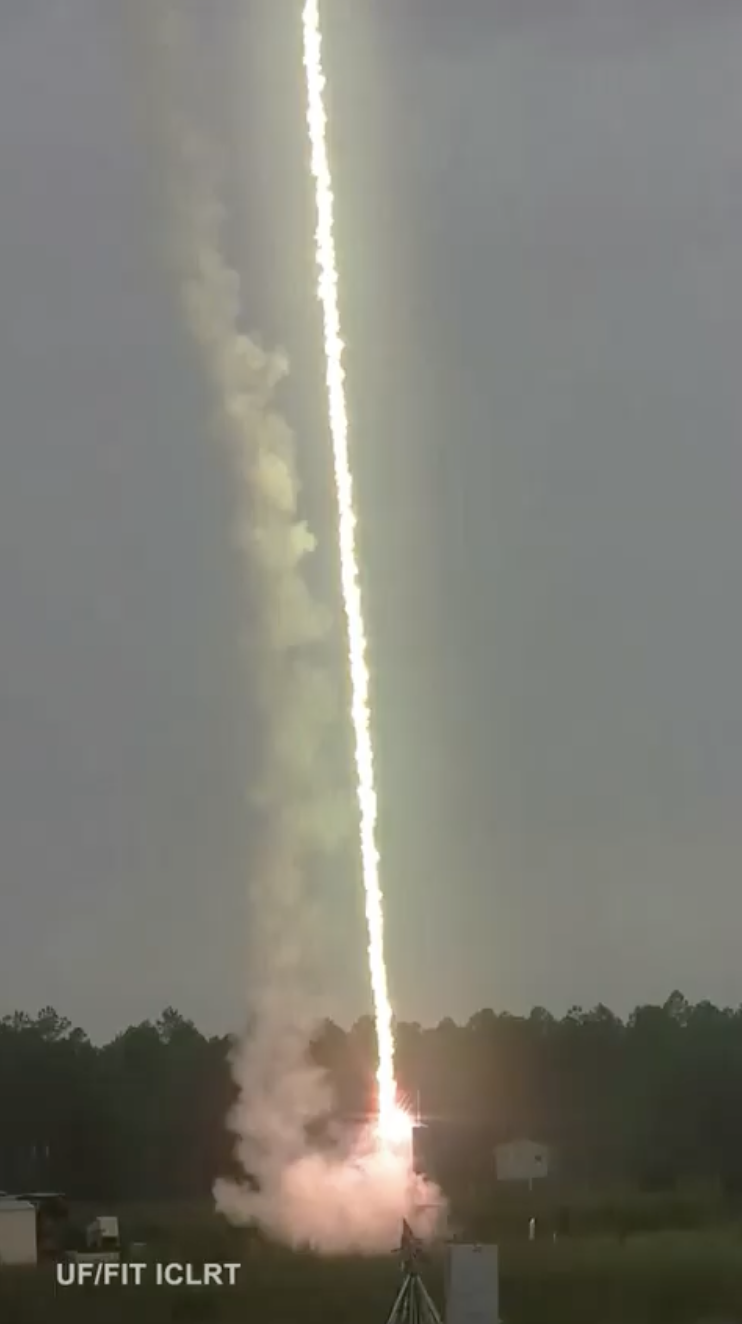
Before he changed the way we understand lightning on Earth, Joseph Dwyer studied the weather in more cosmic settings. Using the sensors on NASA’s Wind satellite , orbiting a million miles away, he watched flares shoot out from the sun and analyzed the particles that stream from the sun’s surface. But when he relocated to Florida around the turn of the millennium, Dwyer felt ready for something new — something he and his students could investigate on their own. It didn’t take long before the tropical weather delivered a suitable mystery outside his office window. “It was like boom, boom, boom outside,” Dwyer said. “I looked into it and realized lightning was an unsolved problem.” Thunderstorms have captivated humanity for millennia, and yet their inner workings remain deeply mysterious. Storm clouds are opaque. They’re dangerous to approach. And they’re too big to fit in a lab.…