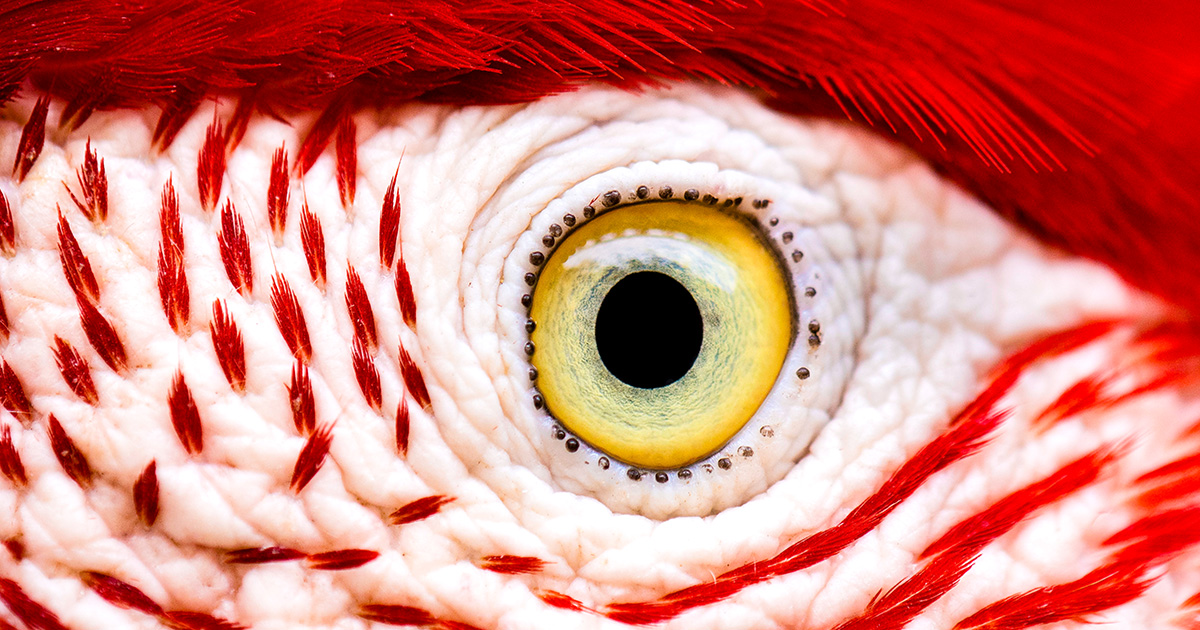
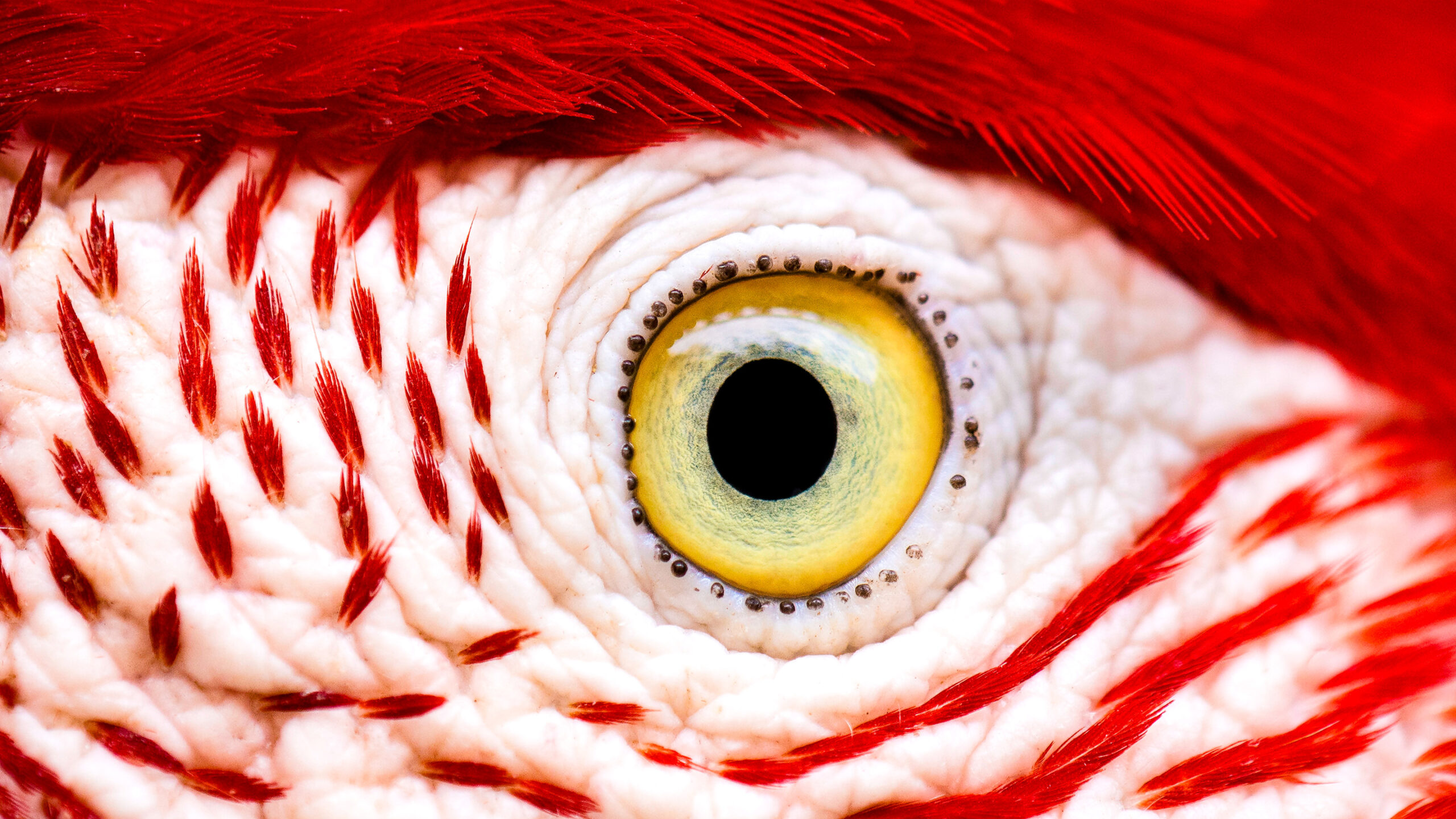
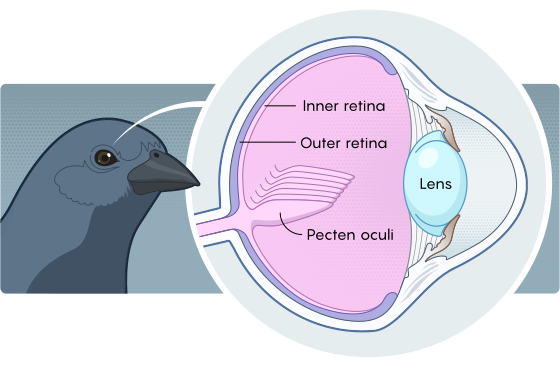
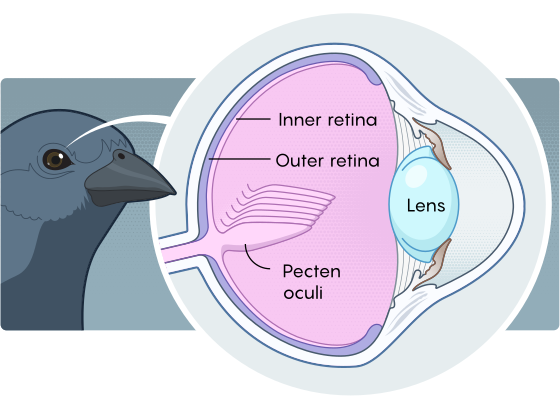
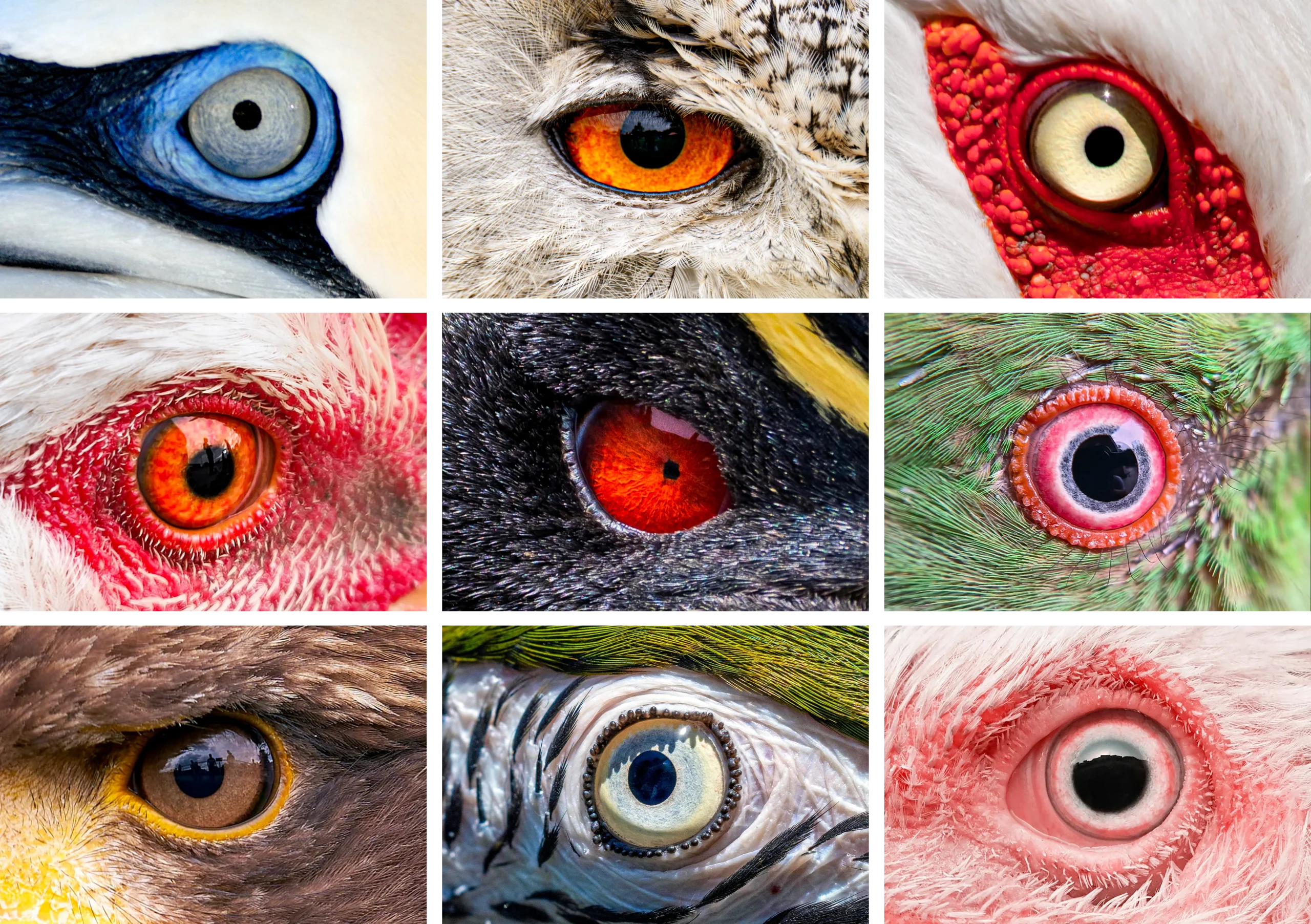
The bird retina is one of the most energetically expensive tissues in the animal kingdom, yet it doesn’t use the energy advantage of oxygen. New research finally explains how this is possible. The eye of a red-and-green macaw, with no blood vessels in sight. How can a bird eye work so well without oxygen? Leonardo Ramos Introduction When an optometrist shines a bright light into your eyes, a vast, branching tree sprouts in your field of vision. This is the shadow of blood vessels. Though we normally can’t perceive them, these vessels always occlude a portion of what we see, and for an important reason. They power the retina, a thin layer of nerve tissue in the back of the eye that communicates light signals to the brain. The retina is one of the body’s most energetically expensive tissues. Built from complex networks of sometimes more than 100 different types of neurons, retinal tissue consumes two to three times more energy than the same mass of typical brain tissue.…