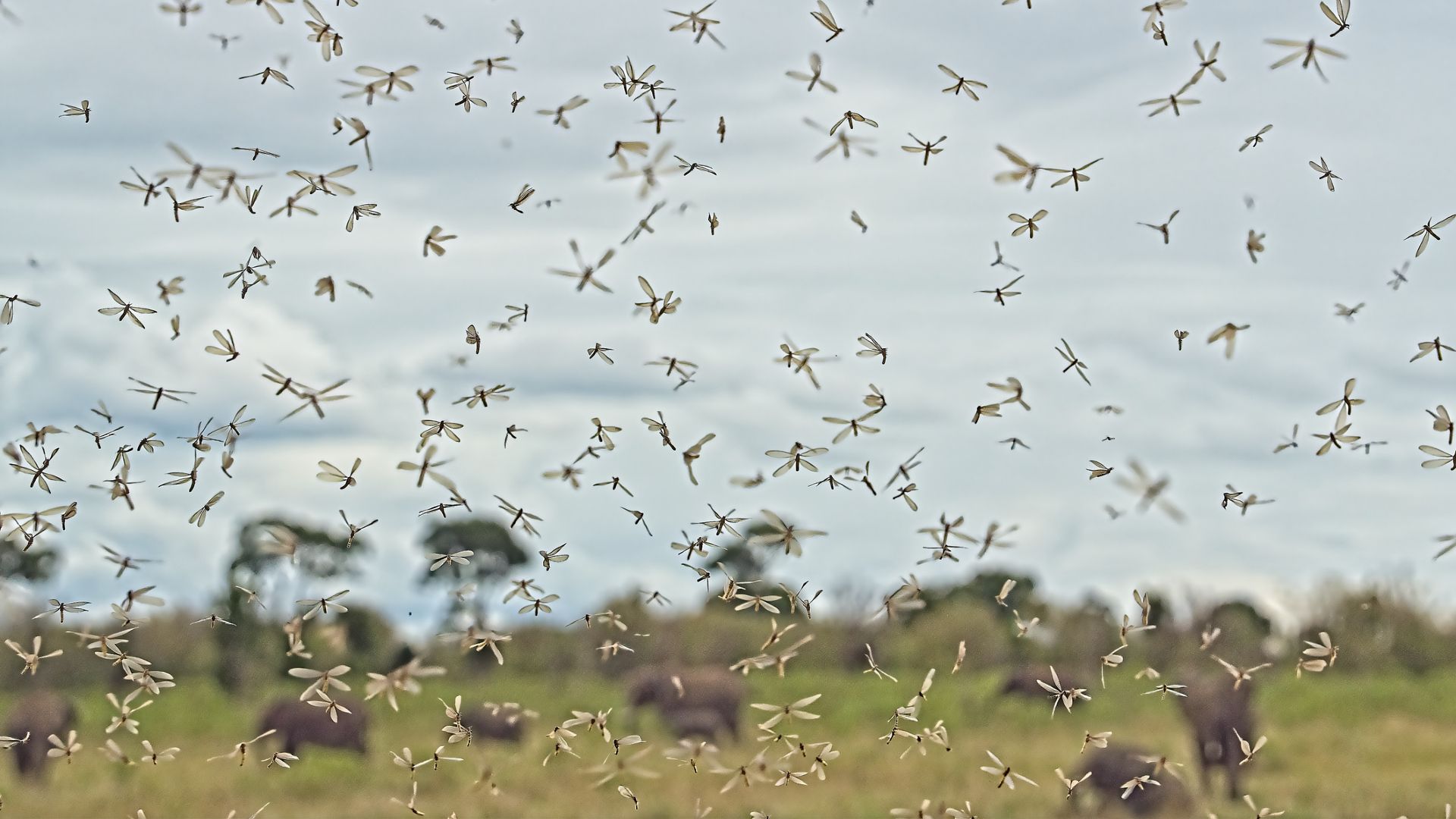
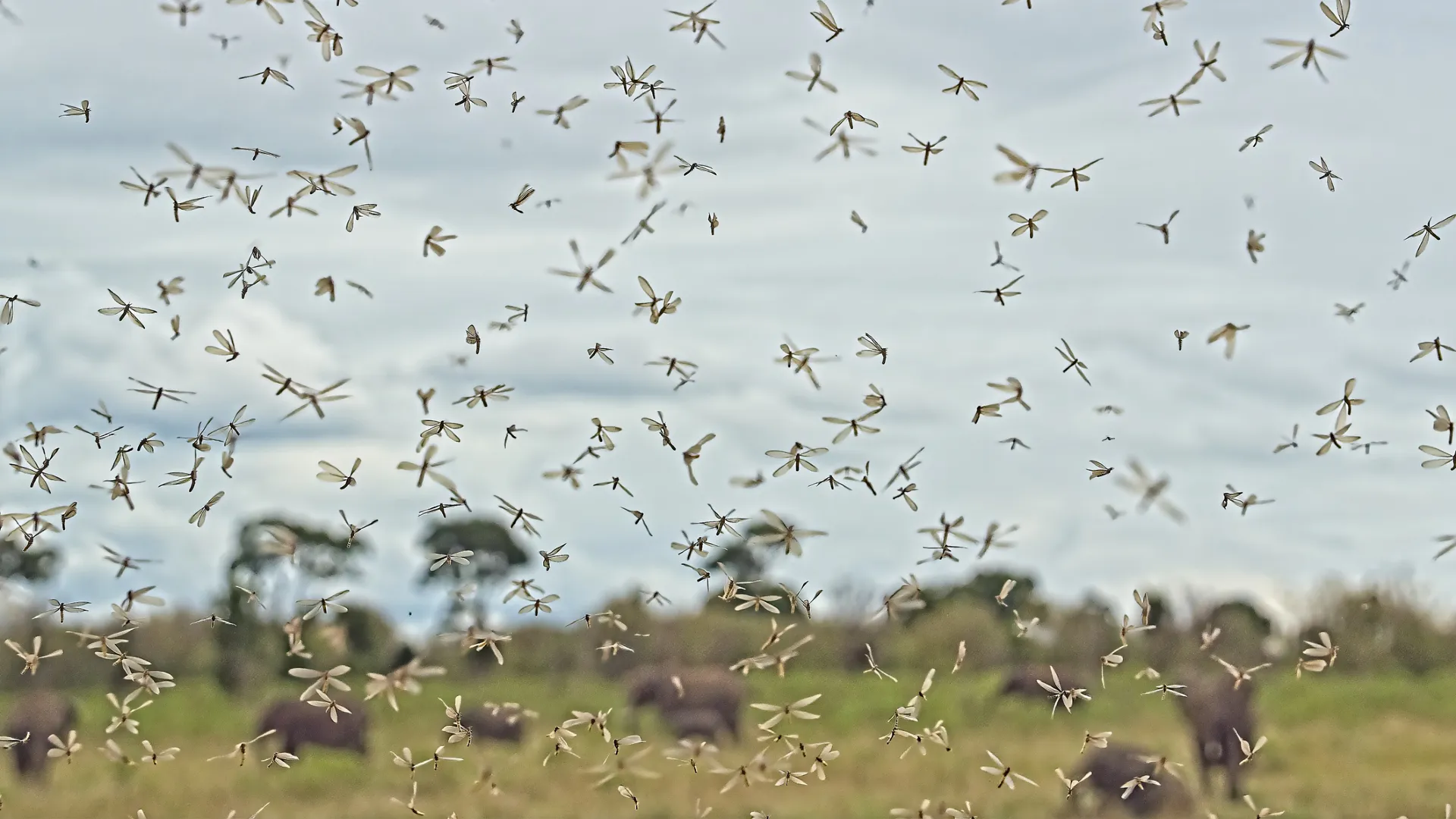
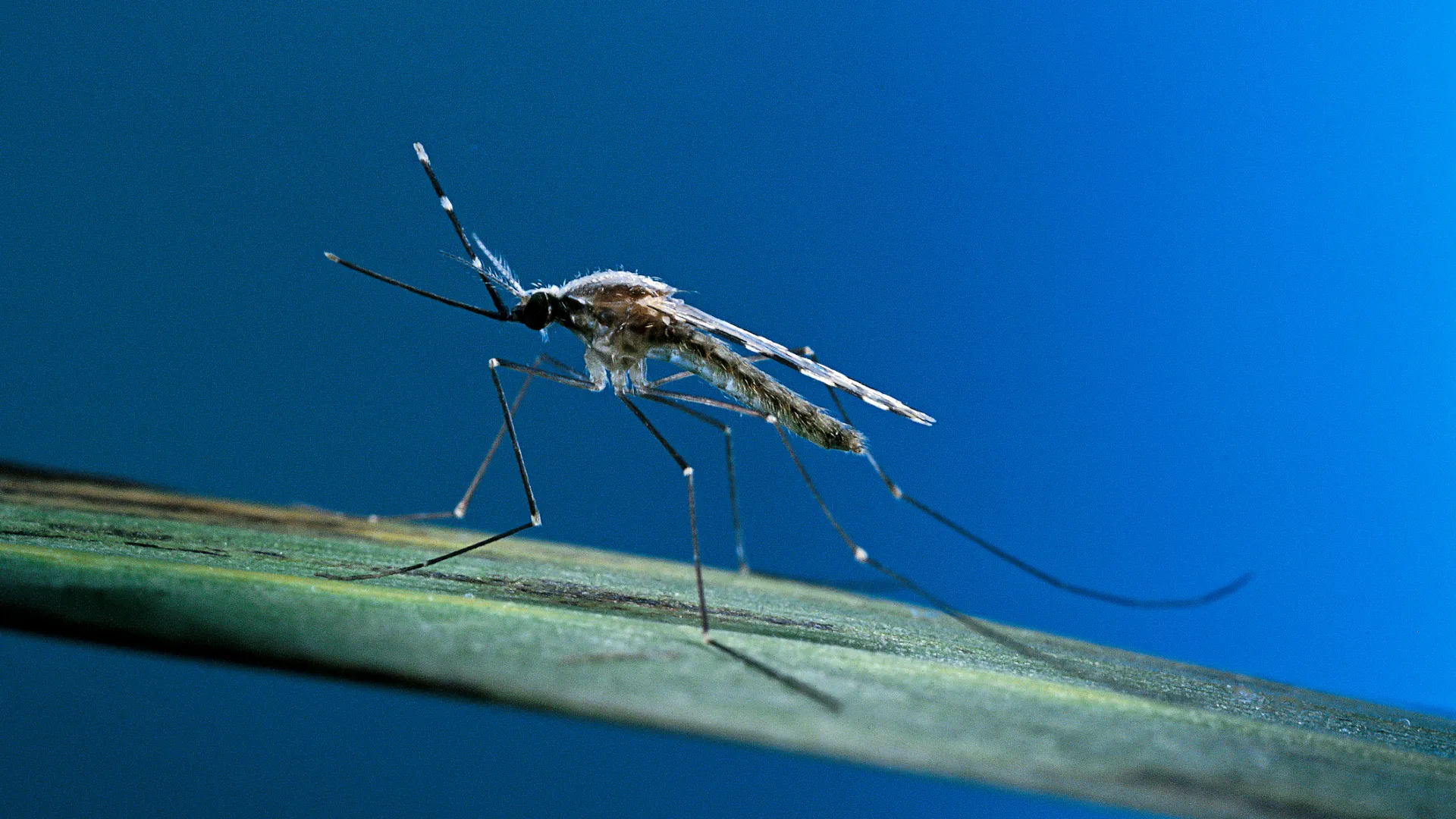
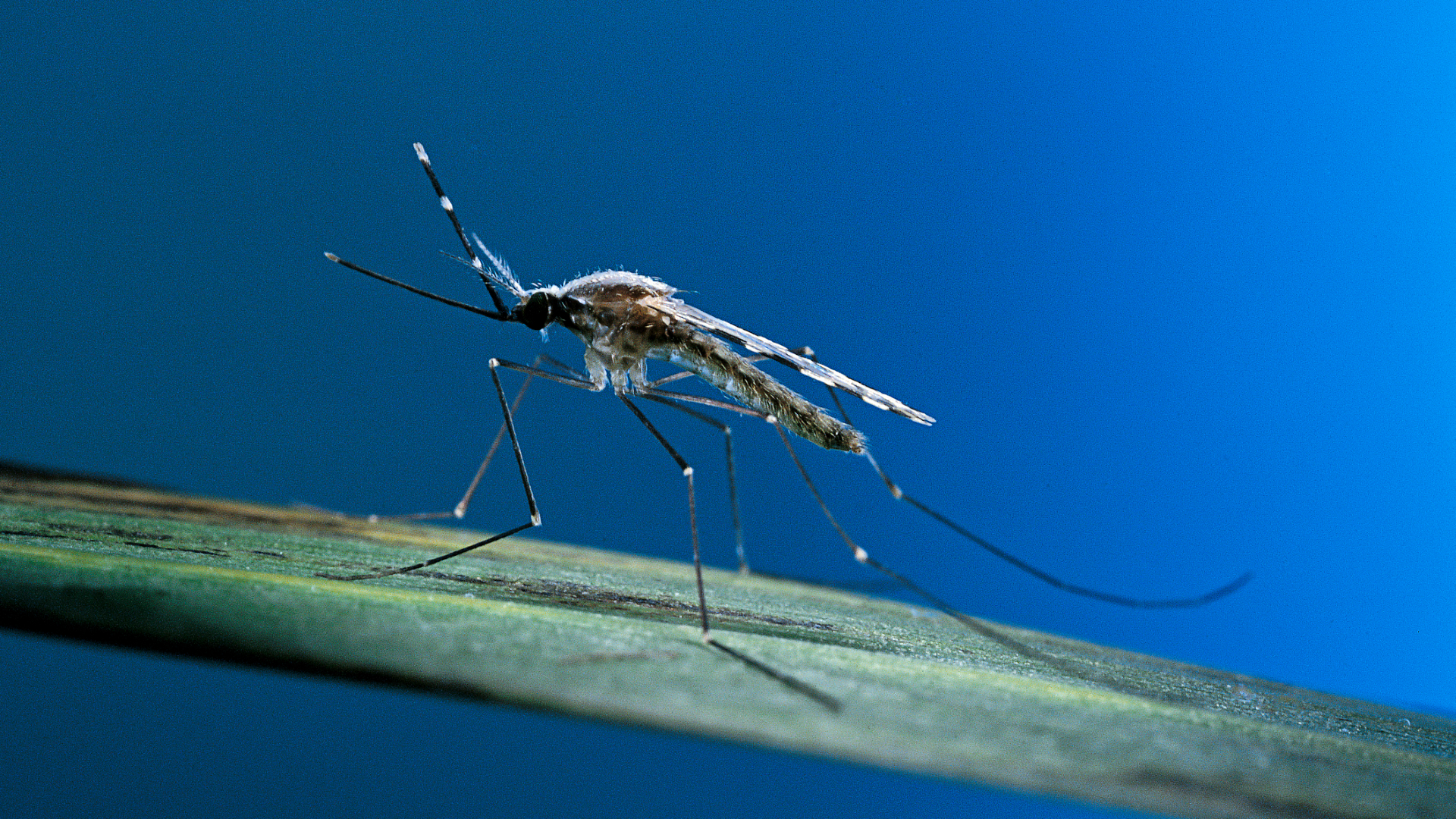
The risk of malaria influenced where prehistoric people lived in sub-Saharan Africa, a new study suggests. The research is the first to link early human habitation with the deadly disease and contrasts with early assumptions that prehistoric people migrated to different regions mainly for agricultural reasons. "For a long time, it was thought that infectious diseases only really became a problem with the advent of farming, and this was particularly true of malaria," study co-author Eleanor Scerri , an archaeological scientist at the Max Panck Institute of Geoanthropology in Germany, told Live Science in an email. But the study by Scerri and her colleagues, published April 22 in the journal Science Advances , suggests that humans have avoided settling in areas with a high risk of malaria for more than 70,000 years. "Our work shows that we can no longer ignore diseases in the deep human past," she said.…