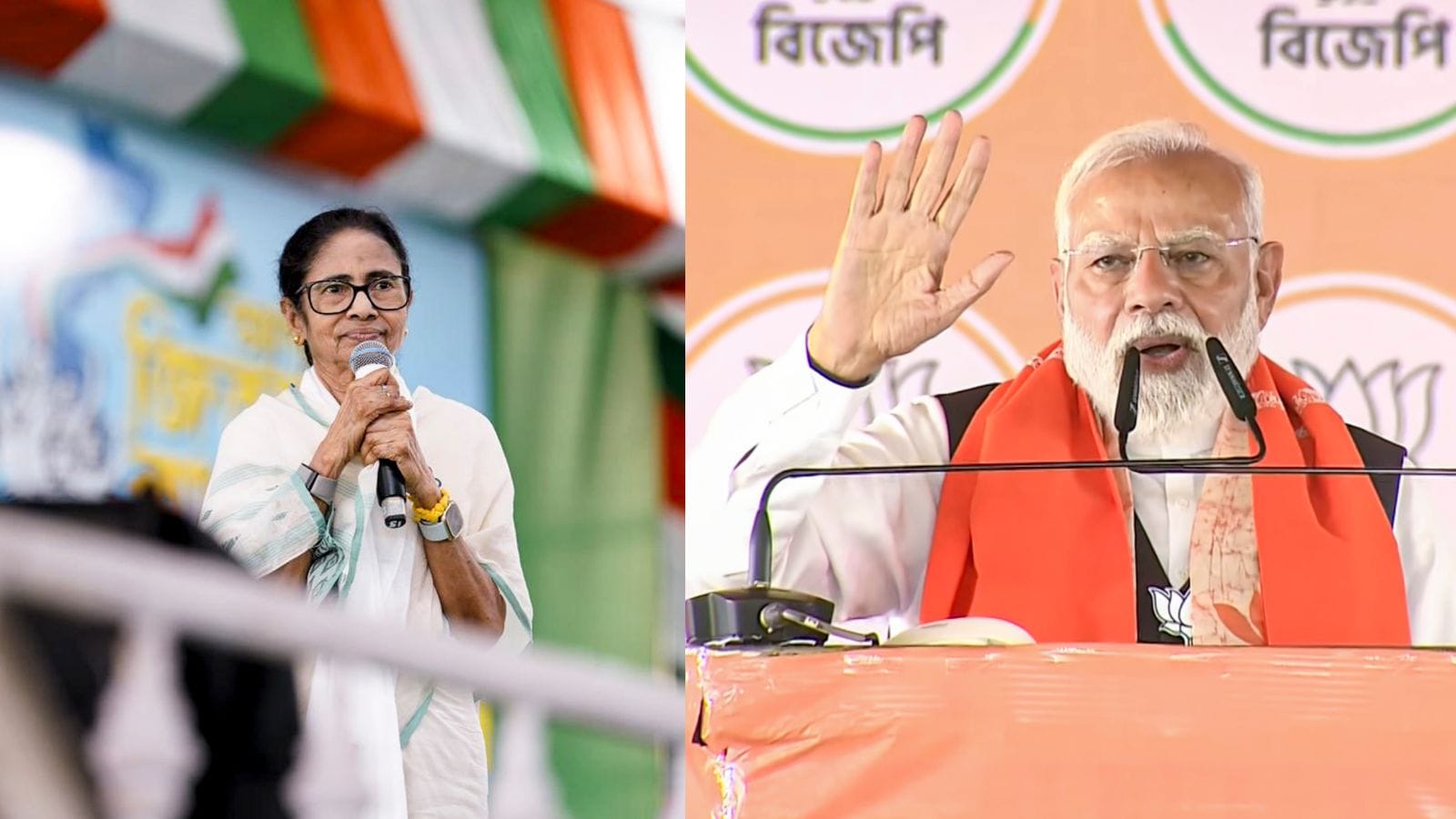
In West Bengal, 152 of 294 constituencies have already voted, and the rest will do so on April 29. An analysis of party manifestos reveals that voters have a choice between parties that largely agree on policy direction but differ sharply on whose cultural story Bengal is being asked to tell. State elections in India have traditionally revolved around local issues. The political atmosphere in West Bengal echoes themes of national politics, even as both the Trinamool Congress and the Bharatiya Janata Party seek to reflect the state’s regional ethos. To explore this, we draw on a framework from our earlier article in the Economic and Political Weekly . The BJP and TMC manifestos reflect a pattern of competitive bidding: TMC’s financial support of Rs 1,500 to women, Rs 1,500 to unemployed youth, Rs 4,000 to landless agricultural labour and Rs 2,500 for paddy procurement is matched by the BJP’s monthly support of Rs 3,000 to women, Rs 3,000 to youth, Rs 9,000 to farmers and Rs 3,100 for rice.…