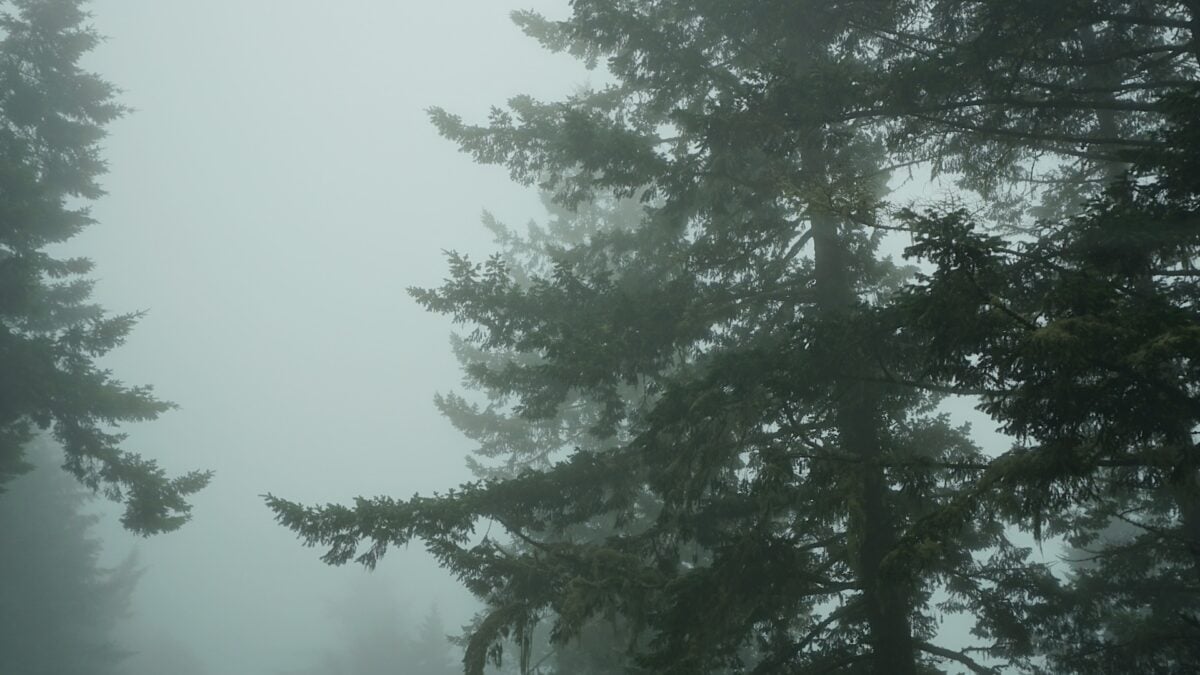
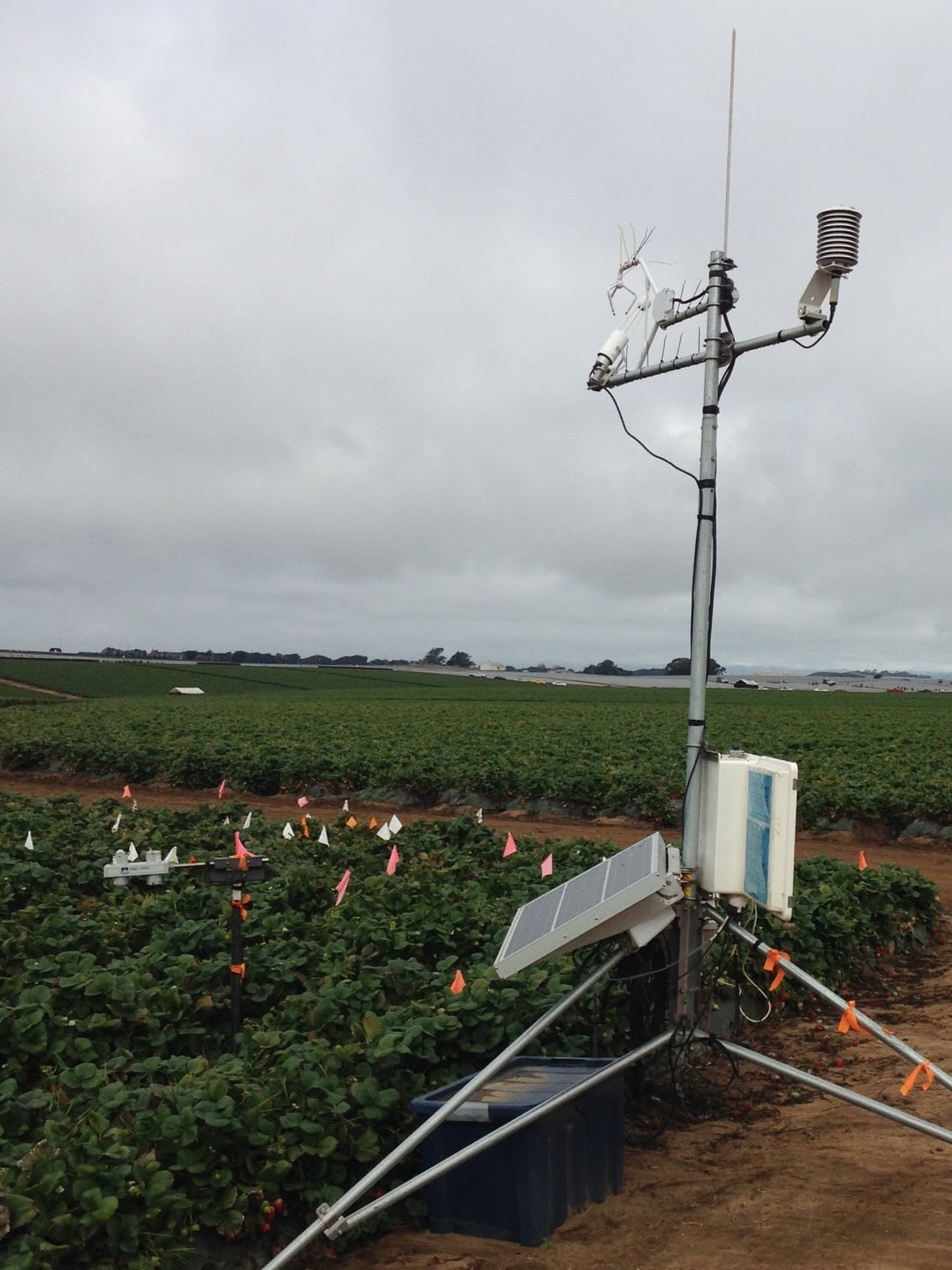
Clouds, fluffy clouds, have long bedeviled climate scientists trying to model our atmosphere’s response to rising greenhouse gases. But they know even less about fog, which—true to its literary connotations—has maintained an even greater air of mystery. Fog is important. This cloud-like, low-lying mist provides as much as 40% of the summer water supply to California’s giant redwood forests, for example, as well as nourishment to local farmland in a region responsible for roughly one quarter of all U.S. strawberries. And yet, there really hasn’t been enough resources to dig into how fog works, or where it seems to be going. Until now. A new $3.65 million initiative , dubbed the Pacific Coastal Fog Research (PCFR) project, launched its first fieldwork trip this month, part of a five-year plan to systematically investigate coastal fog chemistry, fog’s role in the local ecosystems, and just how exactly fog’s been impacted by global warming.…