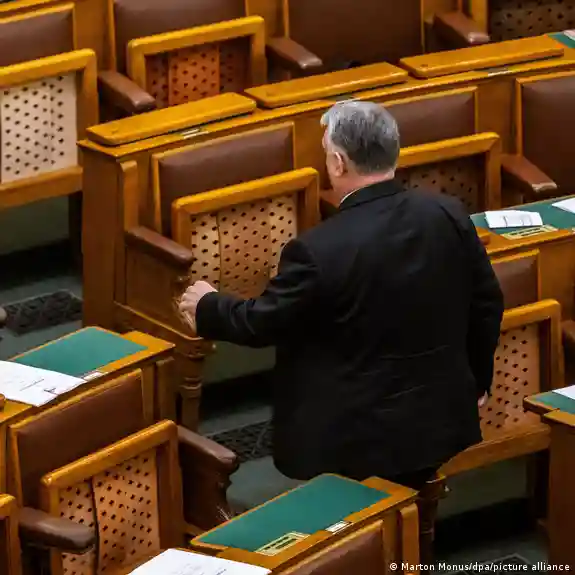
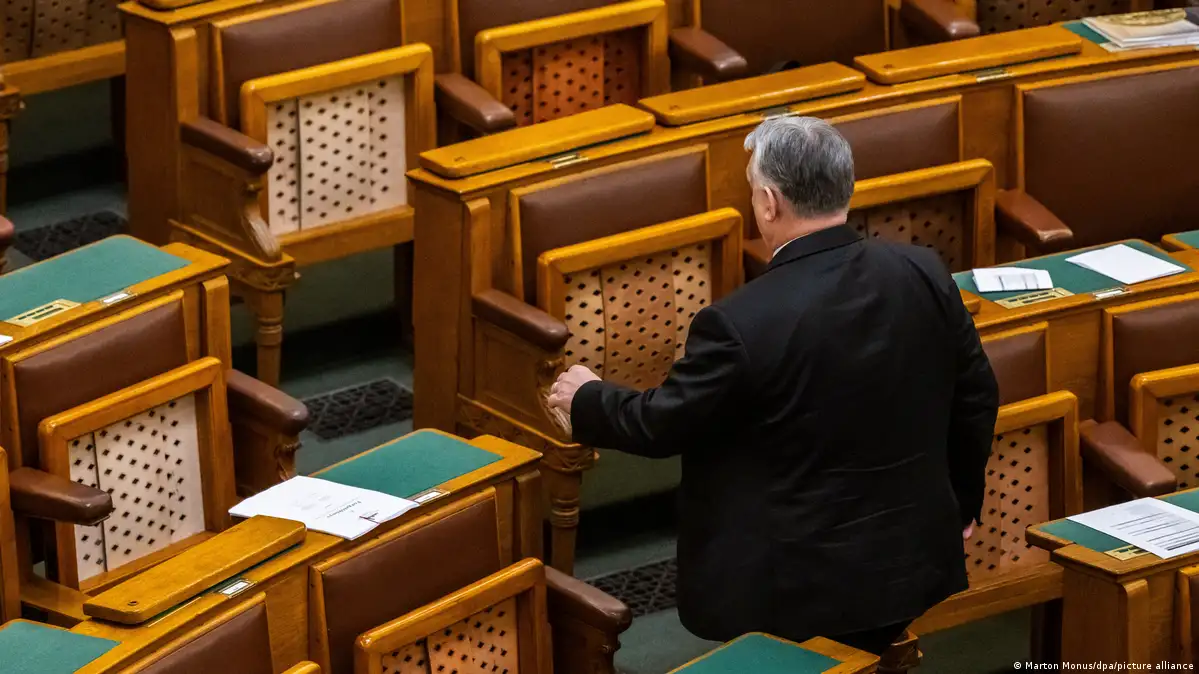
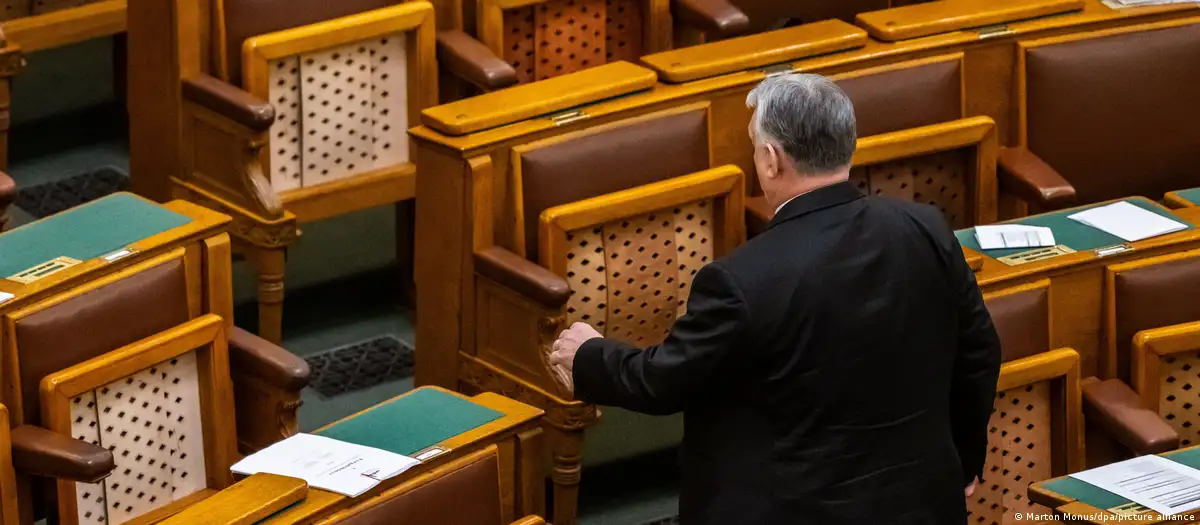
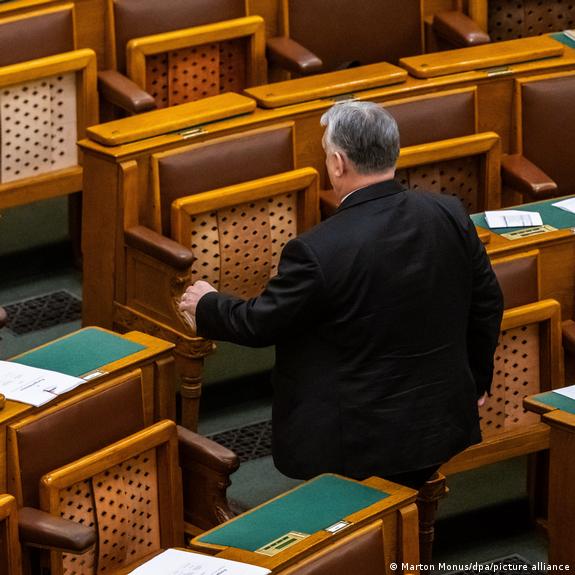
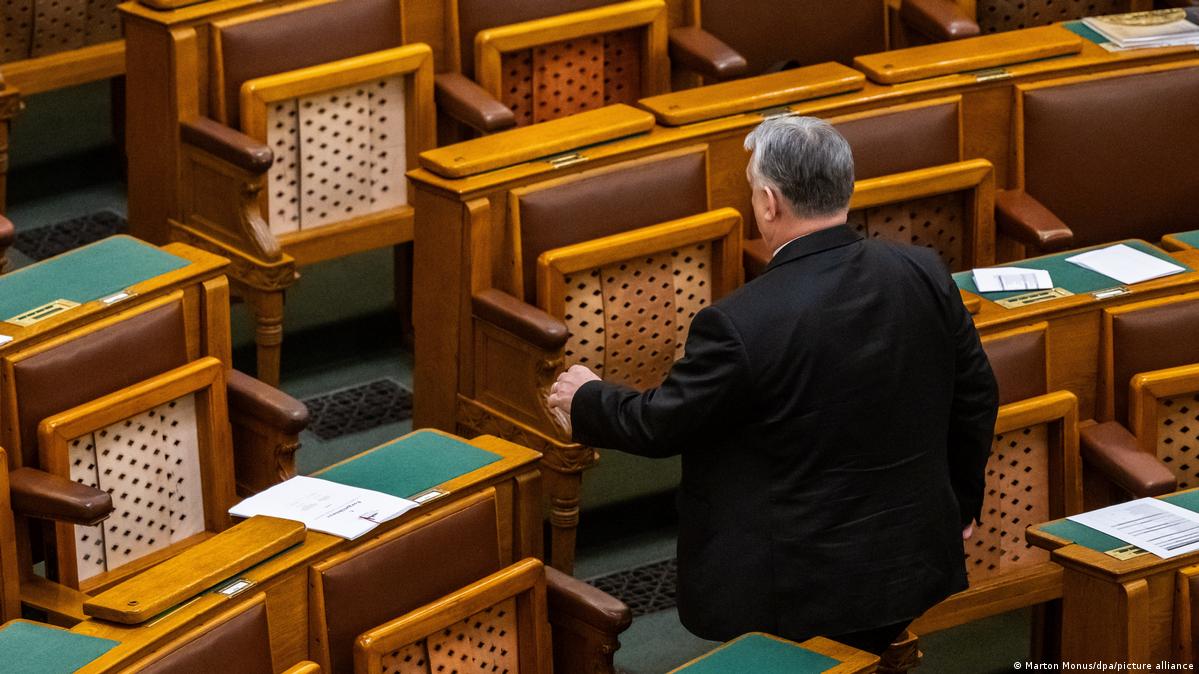
When Viktor Orban was narrowly voted out of office for the first time in 2002, he went through a deep personal crisis. "The homeland cannot be in the opposition!" he said at the time. In other words, according to his image of himself, only he and his Fidesz party could truly represent the interests of the Hungarian nation ; he was its sole legitimate representative. The statement left a deep impression on the Hungarian public. It was the experience of 2002 that prompted Orban from 2010 to use his two-thirds majority to establish the System of National Cooperation (NER), intended to prevent a reoccurrence of his defeat. Not only did he tailor the electoral system to his party but he also created a vast clientelist system, a sophisticated surveillance apparatus and a massive propaganda machine to secure his power. This system helped him remain in power for 16 years. That is likely why, up until the election on April 12, the defeat of his Fidesz party was unimaginable for Orban.…