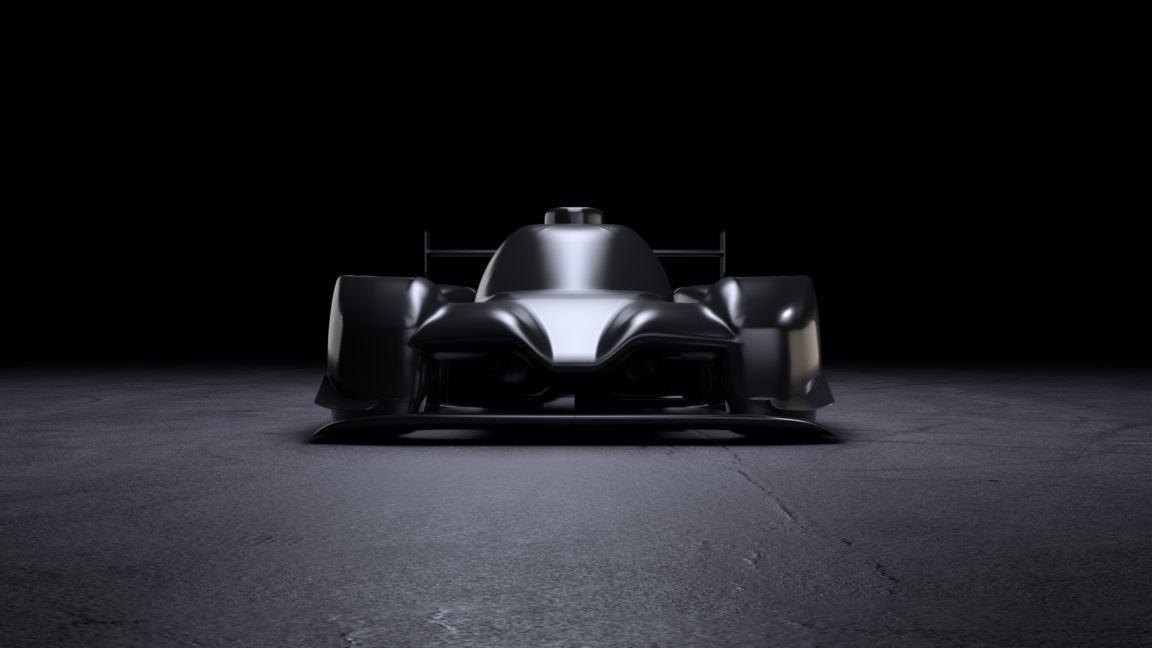
Skip to content AI finds value in motorsport, multiplying limited computational fluid dynamics resources. A conceptual Le Mans Prototype 2 (LMP2)-like racecar by Dallara. IBM used this design to evaluate its new physics-based AI model. Credit: Dallara Since the introduction of wings to racing cars halfway through the 1960s, airflow has been everything in racing. Until that point, the focus was on making a car as slippery as possible; less drag meant more top speed on the straights. Then designers like Jim Hall at Chaparral and Colin Chapman at Lotus realized they could use the air to push the car onto the track , increasing grip and allowing it to go faster through the corners. Things haven’t been the same since. Finding aerodynamic downforce started as something of a dark art. The use of wind tunnels to simulate its effect on scale models of cars was in its infancy, so teams were mostly limited to expensive and sometimes dangerous track testing.…