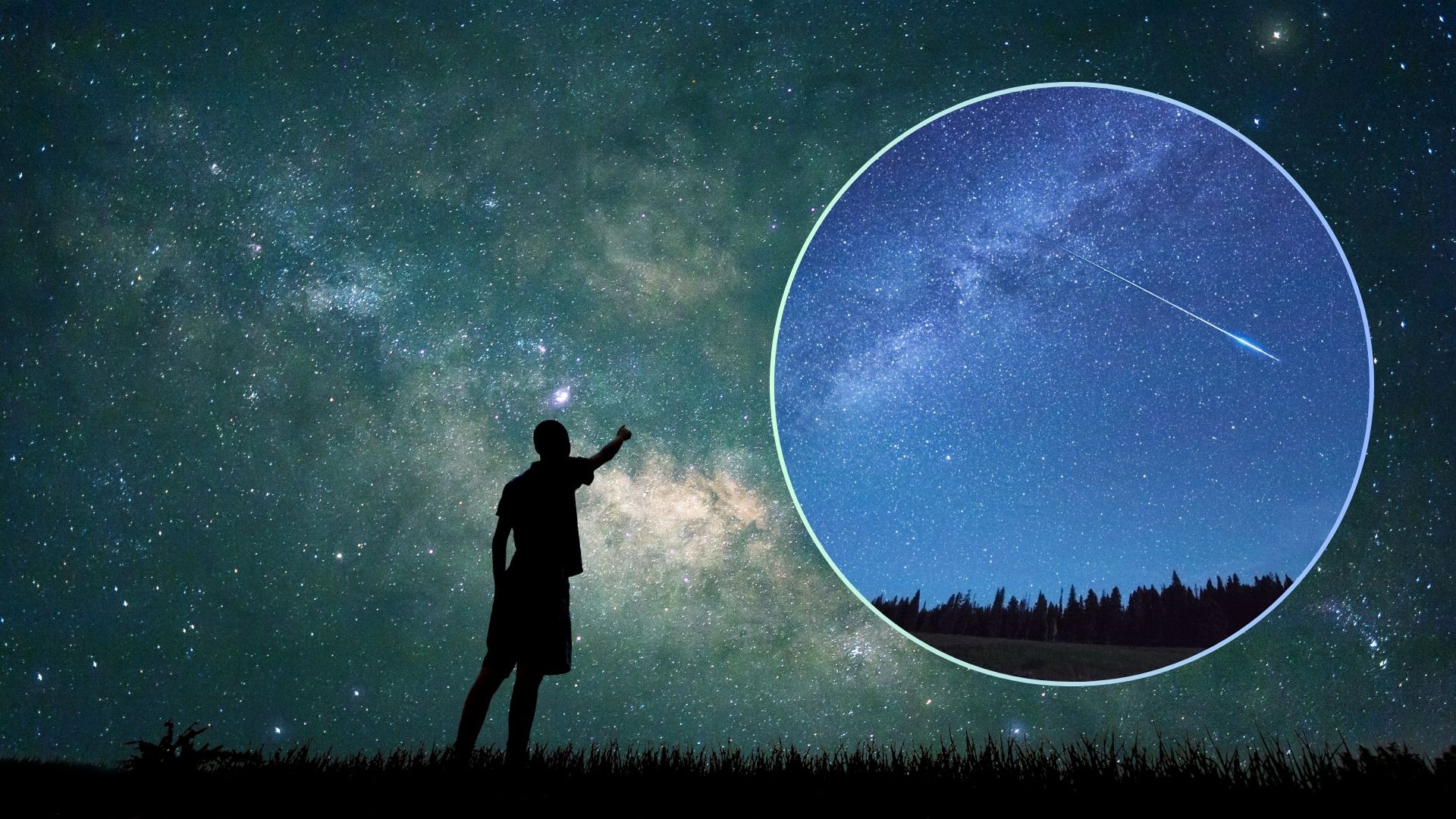
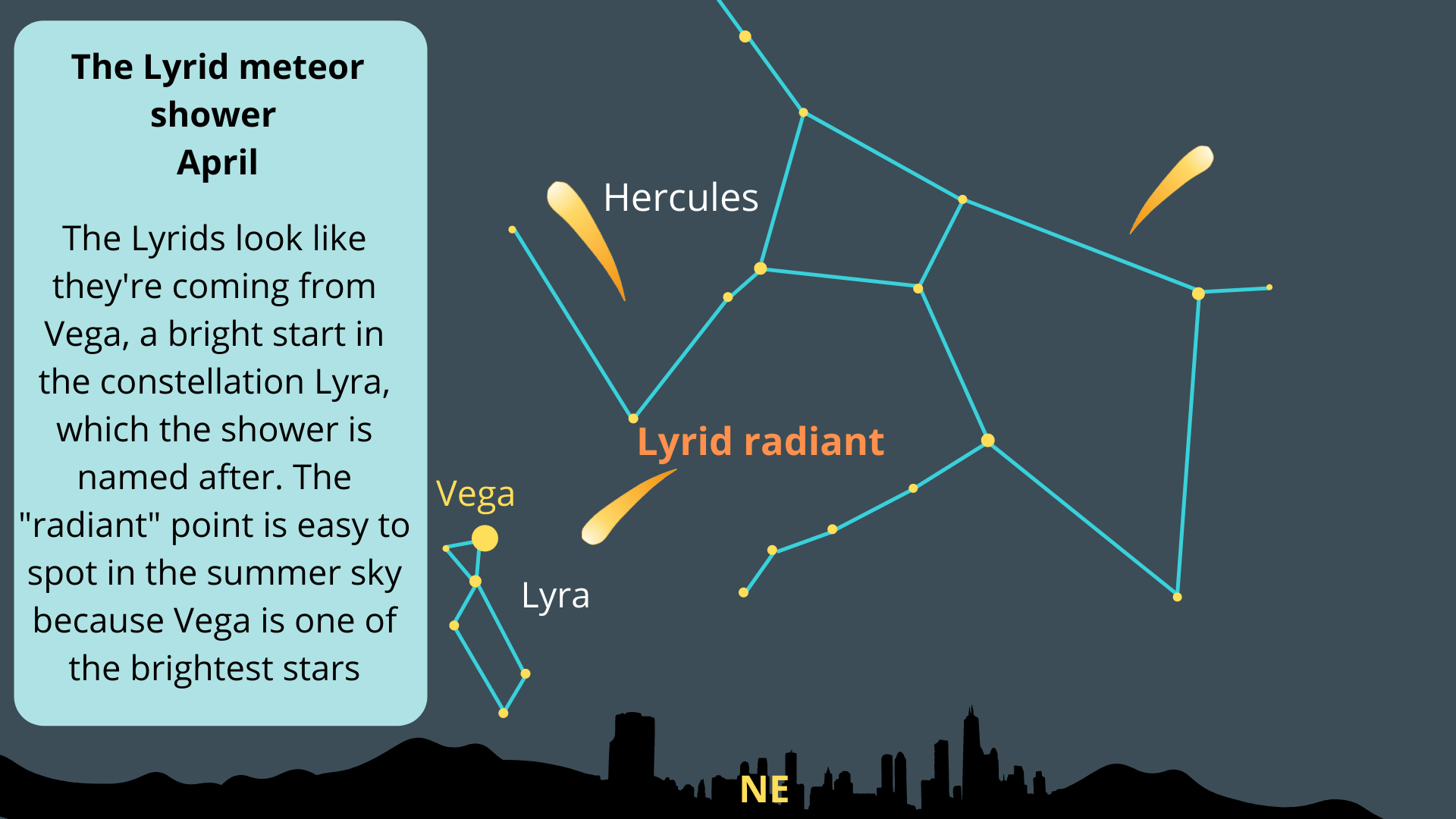
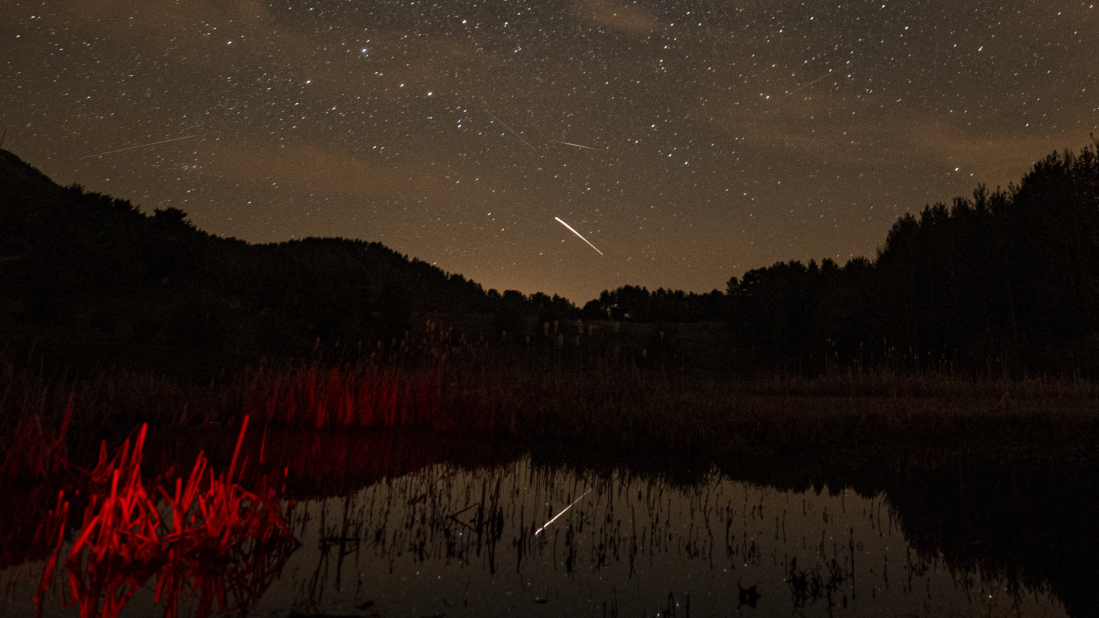
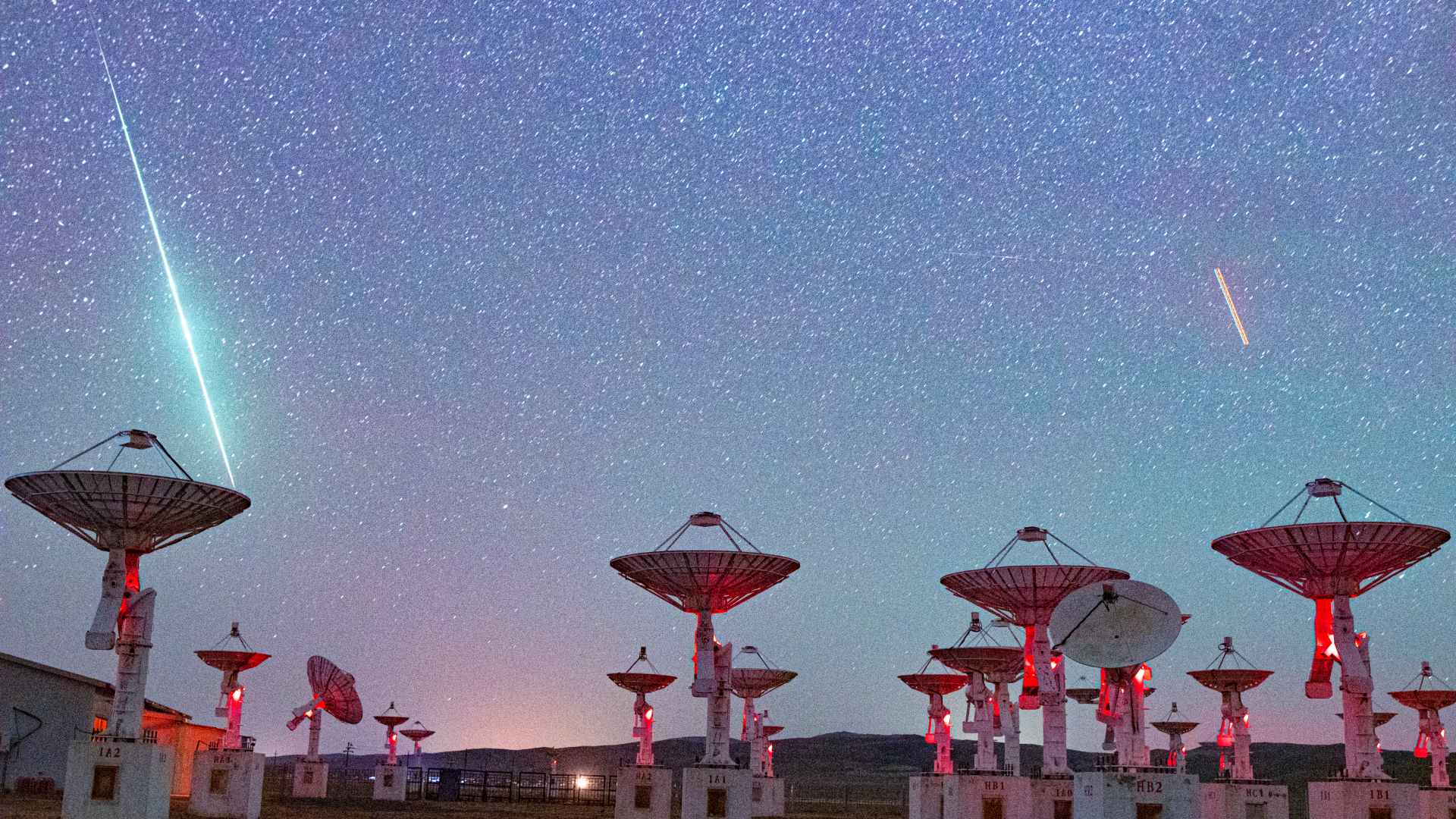
The Lyrids are back! Here's where to look and how to spot these shooting stars under dark moonless skies. (Image credit: Created in Canva Pro) The Lyrid meteor shower is back, and knowing where to look can make all the difference when it comes to spotting these fast, bright shooting stars! The Lyrids appear to radiate from the constellation Lyra, which rises in the northeast and climbs higher in the sky toward the early morning hours. (Yes, sorry, this shower favors the early birds!) The Lyrids can produce up to 15-20 meteors per hour under ideal conditions. Fortunately, the moon won't interfere with this year's display, as it will set after midnight and leave dark skies for peak viewing! The radiant of the Lyrid meteor shower is located near the Hercules-Lyra border. (Image credit: Future) 5 top tips to see the Lyrid meteor shower Don't look directly at the radiant: Look slightly away from Lyra to catch longer, brighter meteor trails.…