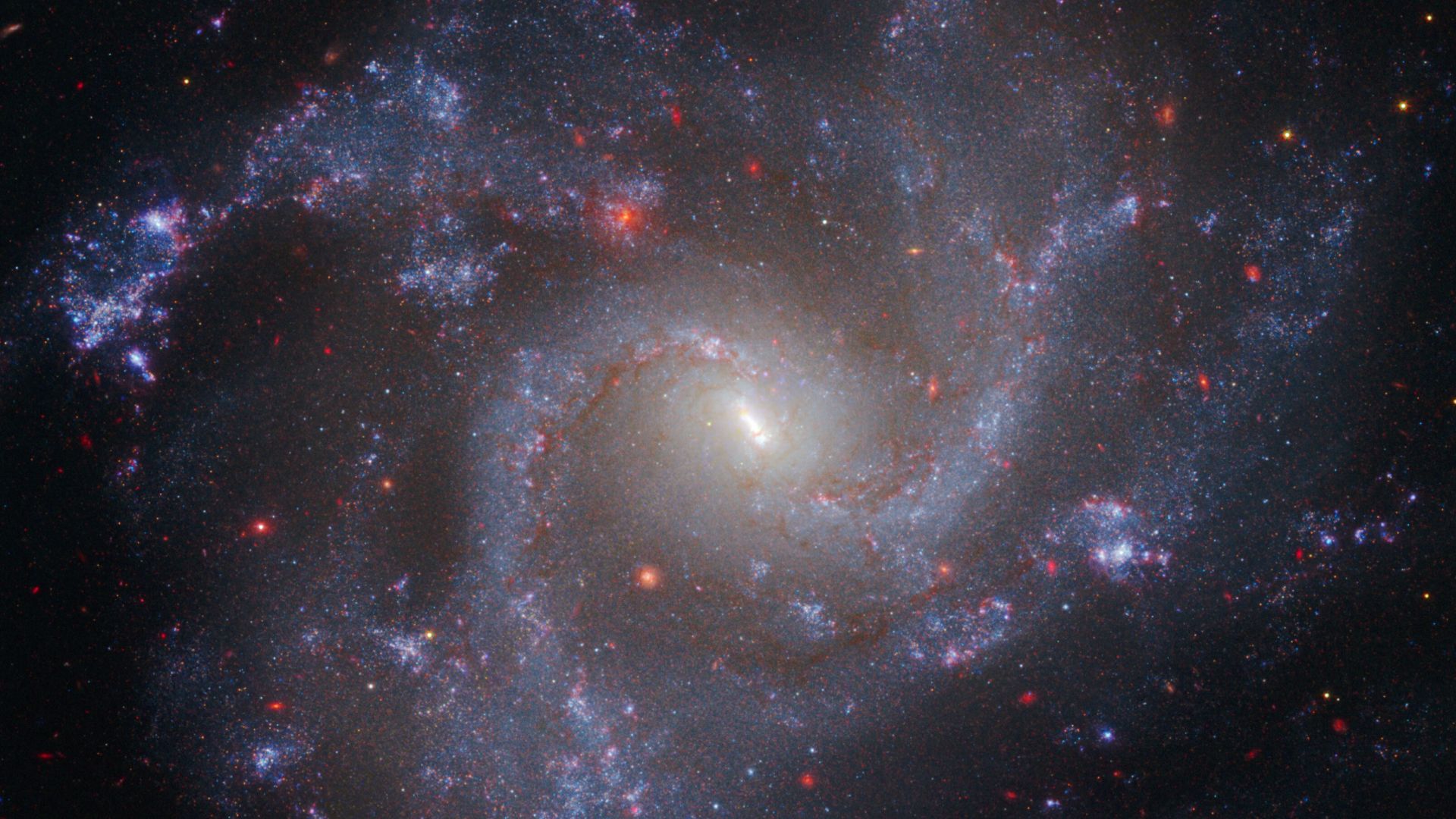
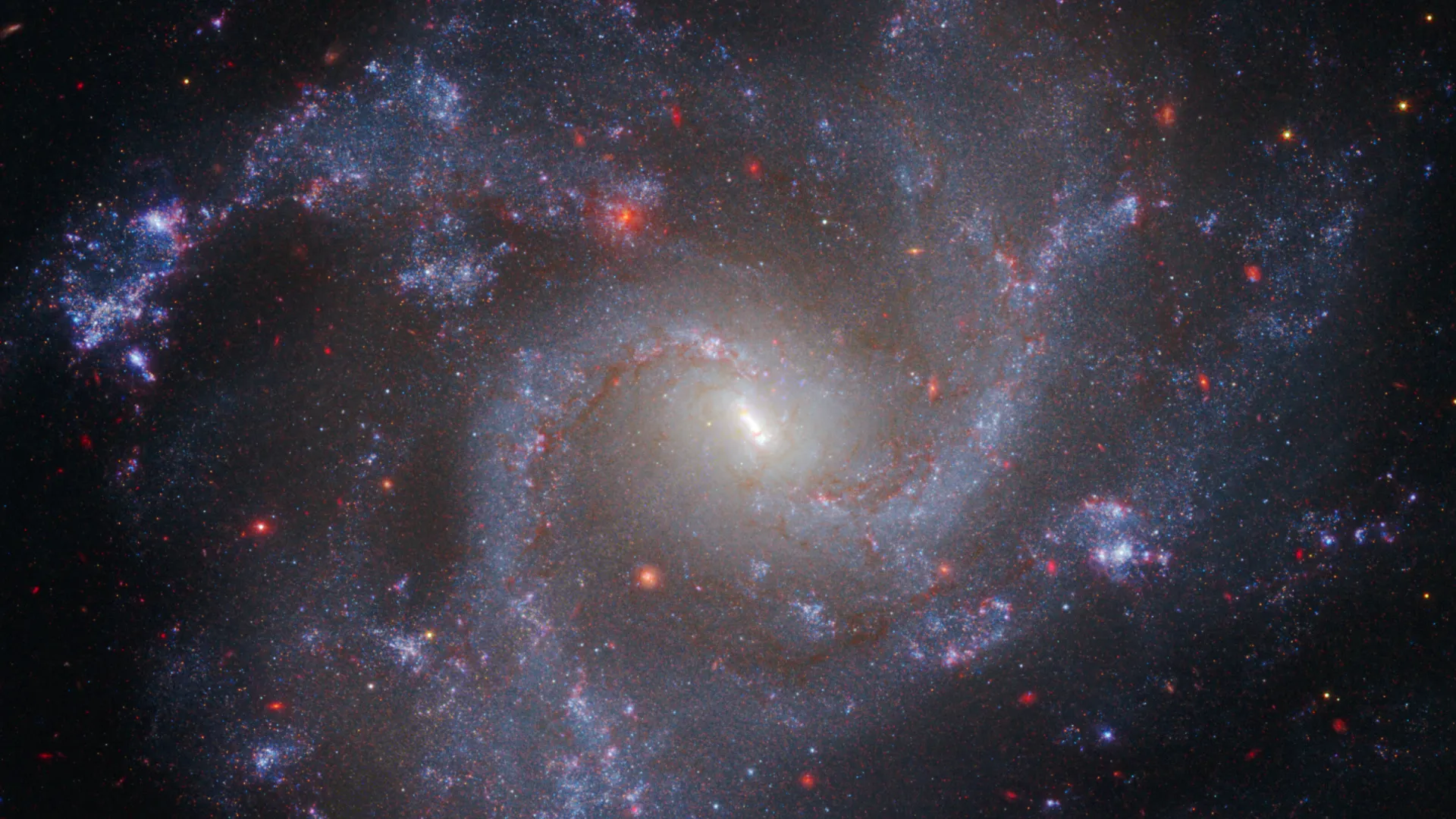
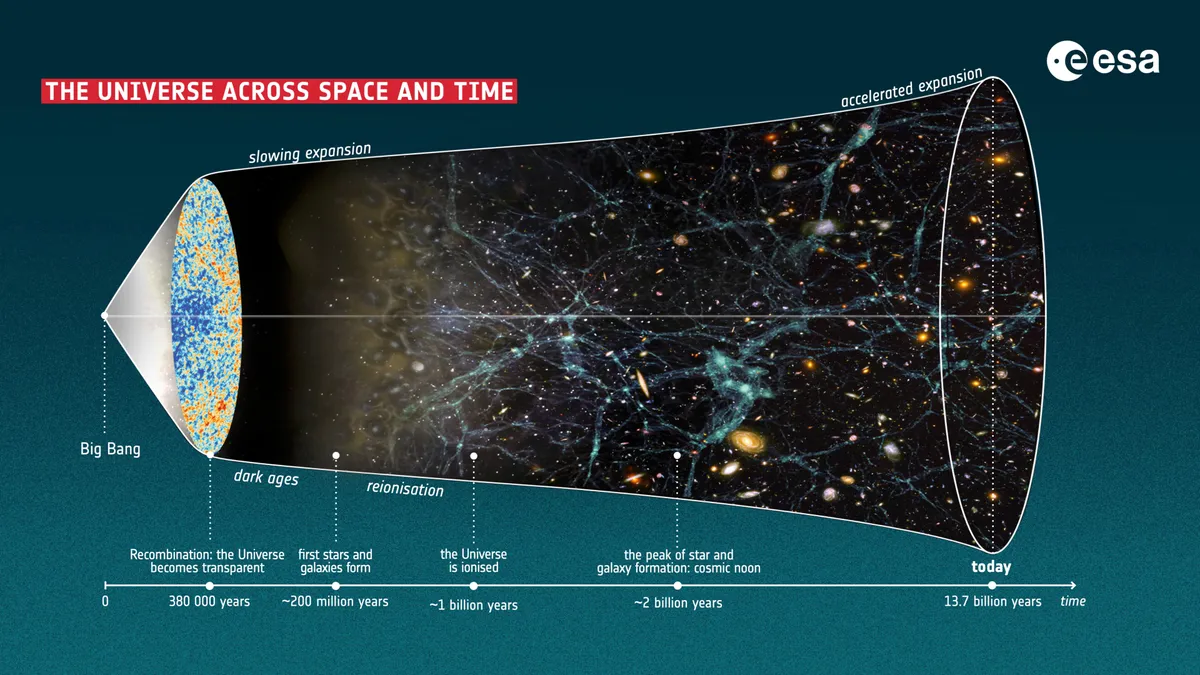
Astronomers use twinkling stars in galaxies like this one (NGC 5468) to confirm the universe’s expansion rate. But what if cosmic expansion were to slow down and reverse? New research looks at the implications on the lifespan of the universe. (Image credit: NASA, ESA, CSA, STScI, A. Riess (JHU/STScI), CC BY 4.0 INT ) Scientists have long assumed our universe would continue on for trillions of years, but a new study presents a much shorter life span for the cosmos: Our universe might last only another 33 billion years. That's just a cosmic blink before everything collapses in on itself — a process dubbed the "Big Crunch," where expansion reverses, causing all matter and space-time to collapse back into an extremely dense state similar to the conditions of the Big Bang. While long considered a discarded possibility for the fate of the universe, because of accelerating cosmic expansion, this new research has reopened the surprising — and slightly unsettling — option.…