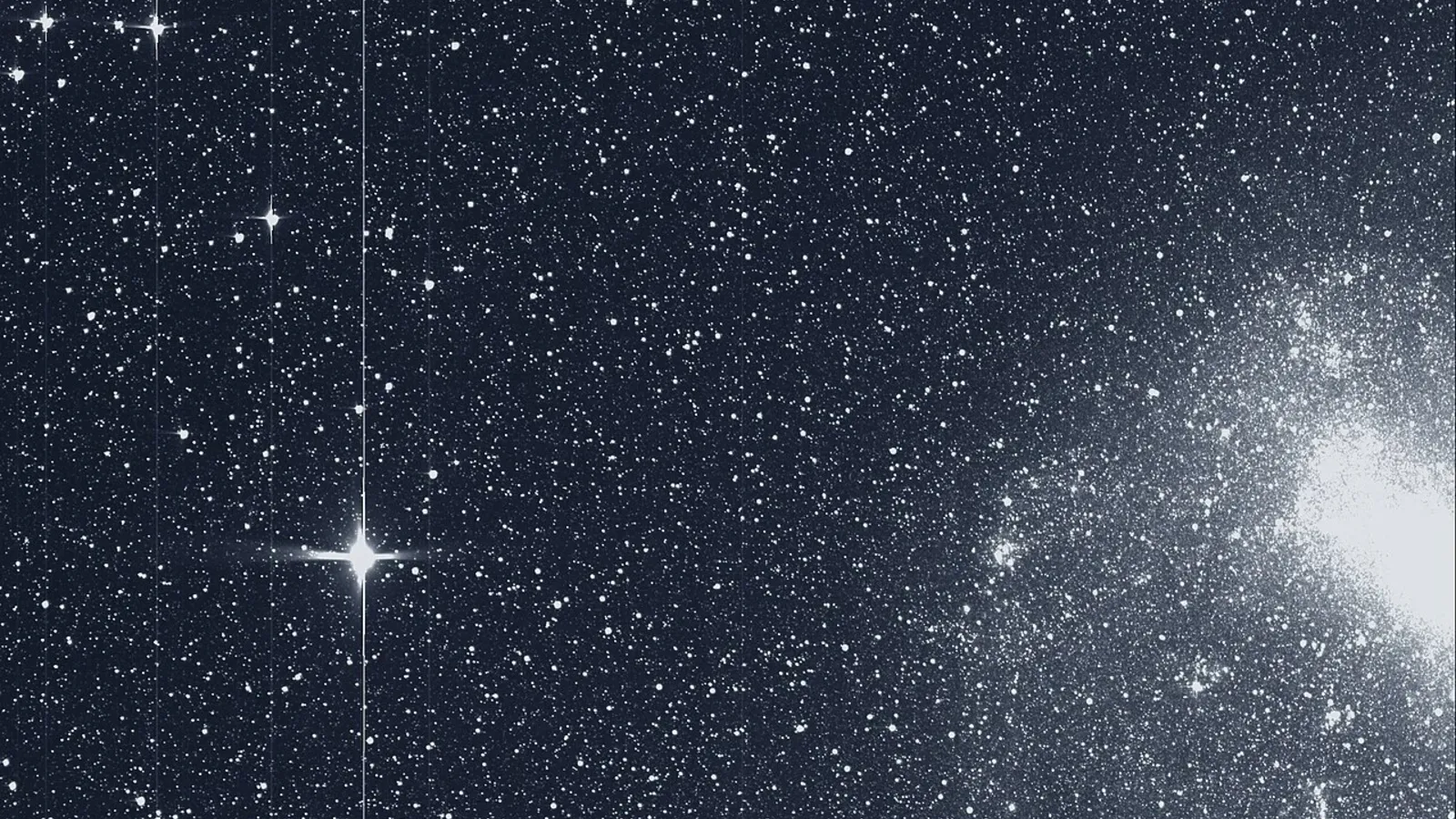
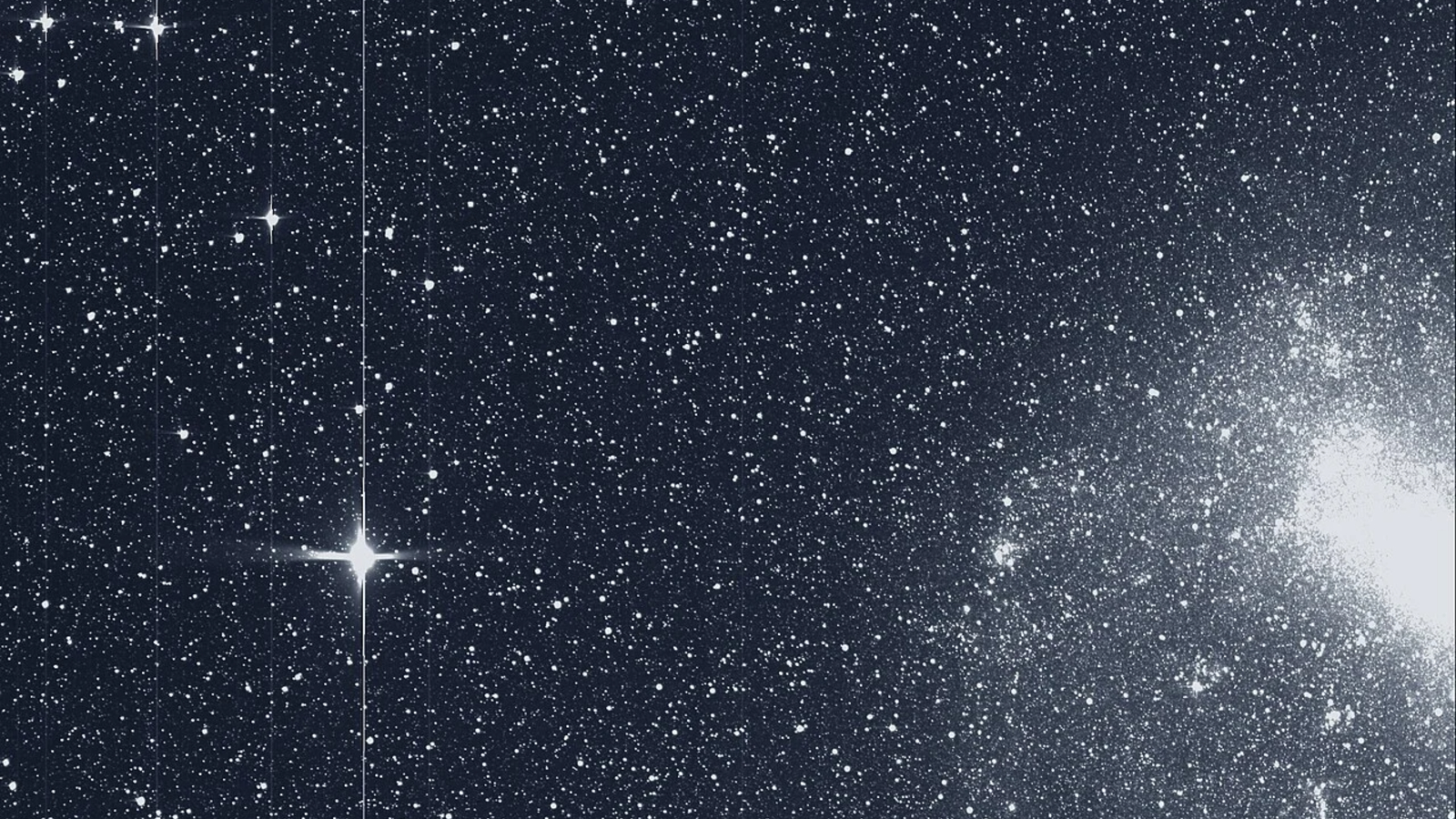
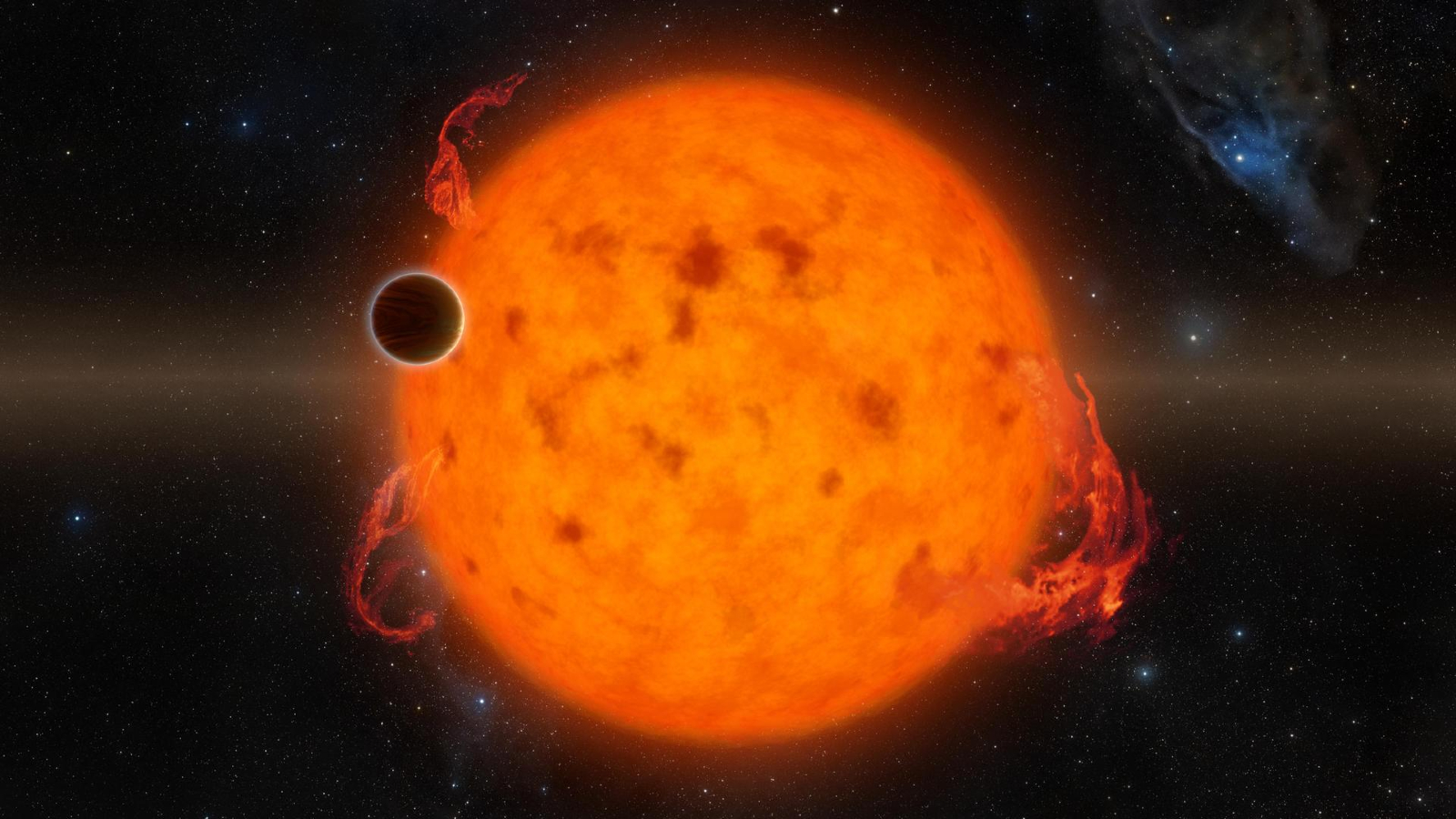
Scientists may have detected more than 10,000 never-before-seen exoplanets in a single survey, potentially tripling the number of known alien worlds in one fell swoop. The record-breaking haul was possible thanks to a new algorithm that helped researchers analyze more than 80 million stars — revealing subtle clues that would otherwise be "impossible" for us to see. Since the first alien planet was spotted in 1995 , the number of exoplanet discoveries has slowly risen in line with new technologies, such as the James Webb Space Telescope , which are better equipped to spot these weird alien worlds . In September 2025, astronomers revealed that the number of confirmed exoplanets had surpassed 6,000 , and nearly 300 have been added to the list since then, according to NASA . Using a machine learning algorithm, the team analyzed the light curves of precisely 83,717,159 stars captured by NASA 's Transiting Exoplanet Survey Satellite (TESS), a car-sized space telescope that has been circling Earth since 2018.…