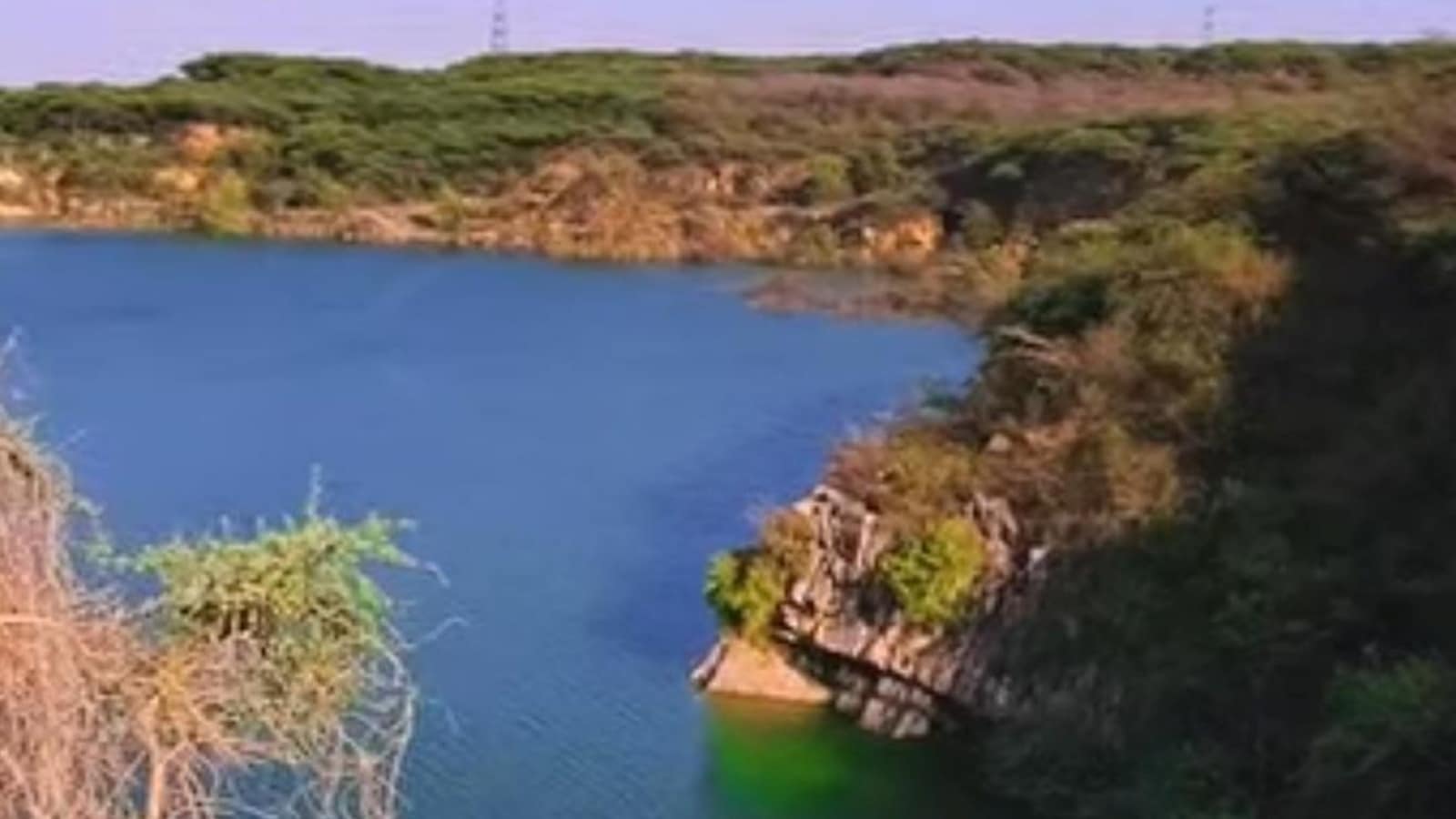
At Asola Bhatti, Delhi’s lone wildlife sanctuary, the threat to the forest is also green. Prepared by the Wildlife Institute of India, a 10-year management plan for Asola Bhatti Wildlife Sanctuary has found that Prosopis Juliflora alone covers 63.48% of the landscape, making the invasive tree one of the biggest ecological pressures on the Aravalli habitat. An invasive tree is a non-native species that spreads rapidly and causes environmental, economic or health harm, often by disrupting ecosystems and displacing native plants. The management plan has flagged invasive species, particularly Prosopis Juliflora and Lantana Camara, as major threats to the sanctuary’s ecological recovery. The plan has mentioned invasive species, encroachment, habitat degradation, cattle entry, biotic pressure, pollution and weak monitoring as among the key problems affecting the sanctuary. The scale of Prosopis Juliflora dominance is stark in Asola Bhatti.…