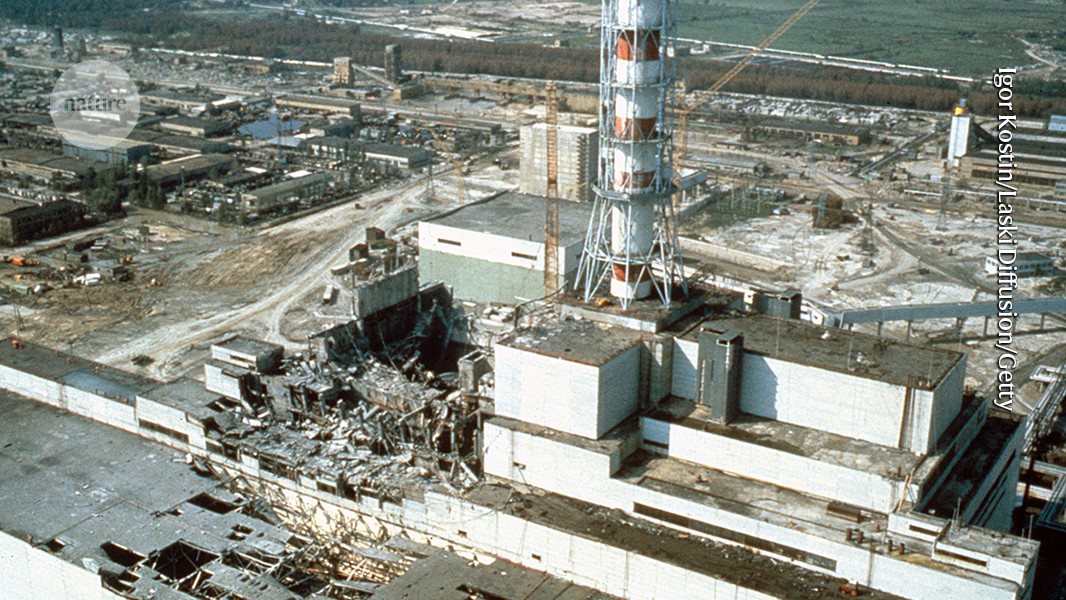
Damage at reactor 4 of the Chornobyl Nuclear Power Plant in Ukraine, a few weeks after the 1986 accident. Credit: Igor Kostin/Laski Diffusion/Getty Reflecting on the disaster that struck Chornobyl on 26 April 1986, former Soviet president Mikhail Gorbachev lamented that the “victims of the tragedy were confronted by a crisis which they could scarcely understand and against which they had no defence”. Such is the nature of low-probability, high-impact events. Policymakers often struggle to commit the time, energy and resources needed to adequately prepare for them. Nuclear-weapons risks are back — and we need to act like it A test of reactor 4 at the Chornobyl Nuclear Power Plant in Ukraine went awry, setting one such event into motion. A cascade of calamities led to the worst nuclear meltdown in history . I still remember the spotty accounts of the disaster on the nightly news, and my mother on tenterhooks, frantically calling our family in Finland as the world watched a radioactive cloud creep northward.…