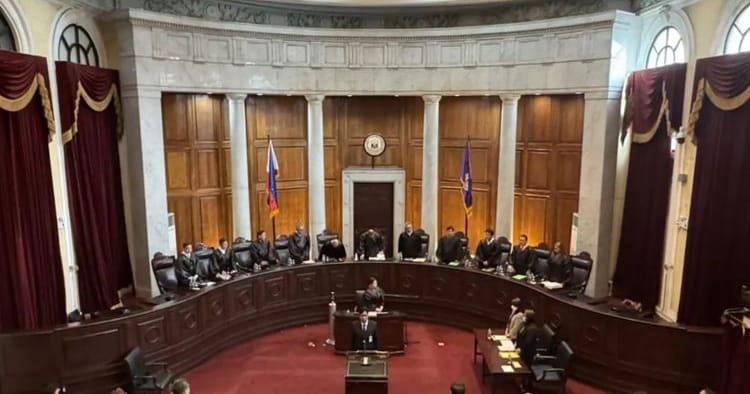
And that's how Filipinos were led to the gallows. We watched institutions bend, public discourse coarsen, and the rule of law tested in ways Filipinos had not seen in decades. We remember the loudest promises: solving drugs and corruption in "3 to 6 months". We recall the most chilling chapters: the thousands killed in the name of the drug war, the grieving families, the international scrutiny, the moral scars that remain unhealed. But there is another injustice — quieter, less visceral, buried under years of noise — that many of us nearly forgot. We remembered it only because the Supreme Court (SC) of the Philippines finally ruled on it. Not swiftly. Not when it mattered most. But eventually. On May 4, 2026, the SC affirmed that the president has no power to remove Deputy Ombudsman. And that delay is part of the story. Let's backtrack: In 2020, then-President Rodrigo Duterte suddenly removed Melchor Arthur Carandang . He was then the Deputy Ombudsman, a decent man who was simply doing his job.…