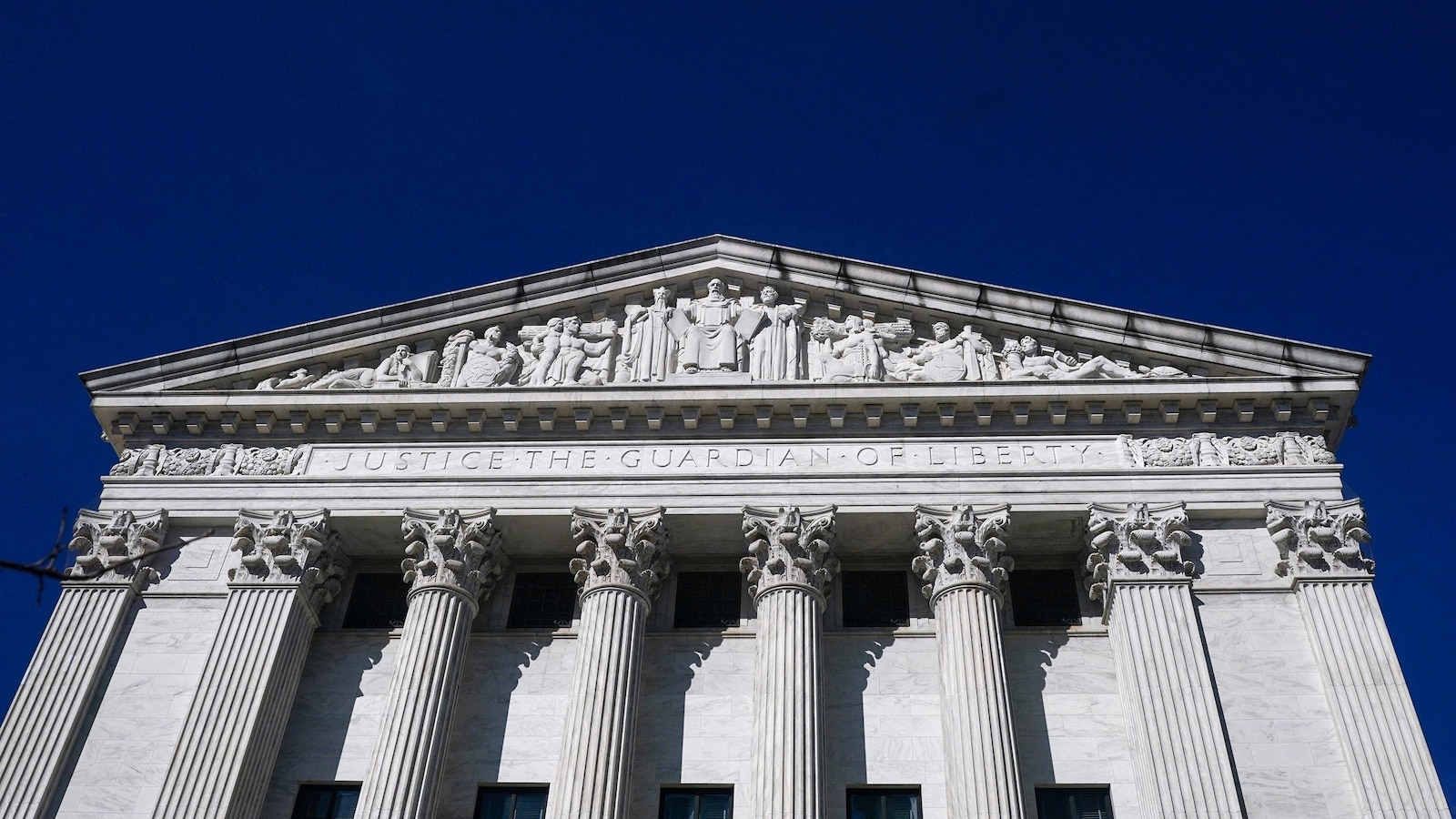
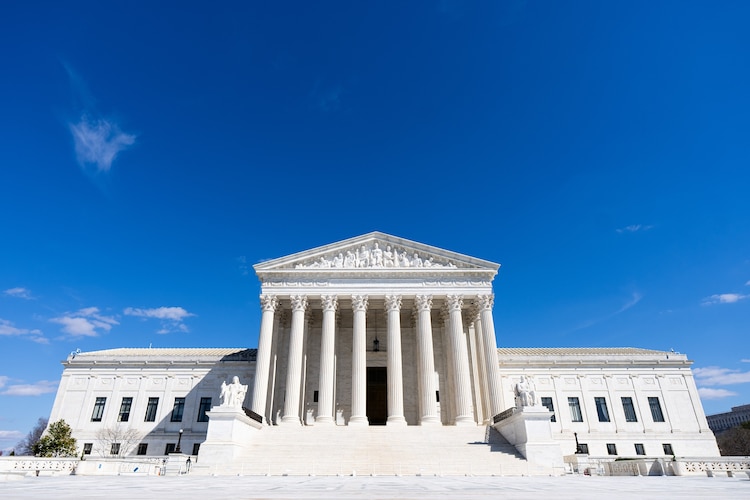
In a landmark decision issued Wednesday, the Supreme Court, in Louisiana v. Callais, struck down Louisiana's second majority-Black congressional district and held that race-conscious redistricting under Section 2 of the Voting Rights Act of 1965 is unconstitutional. The 6-3 ruling does more than reshape one state's map. It marks a fundamental shift in the constitutional understanding of equality, voting rights, and Congress' power to enforce the Reconstruction Amendments. Here are five things to know about the decision -- and what it means. 1. Race-conscious remedies are now constitutional violations For more than four decades, Section 2 of the Voting Rights Act operated on a straightforward principle: when electoral systems produce racially discriminatory results, they violate federal law -- even absent proof of discriminatory intent.…