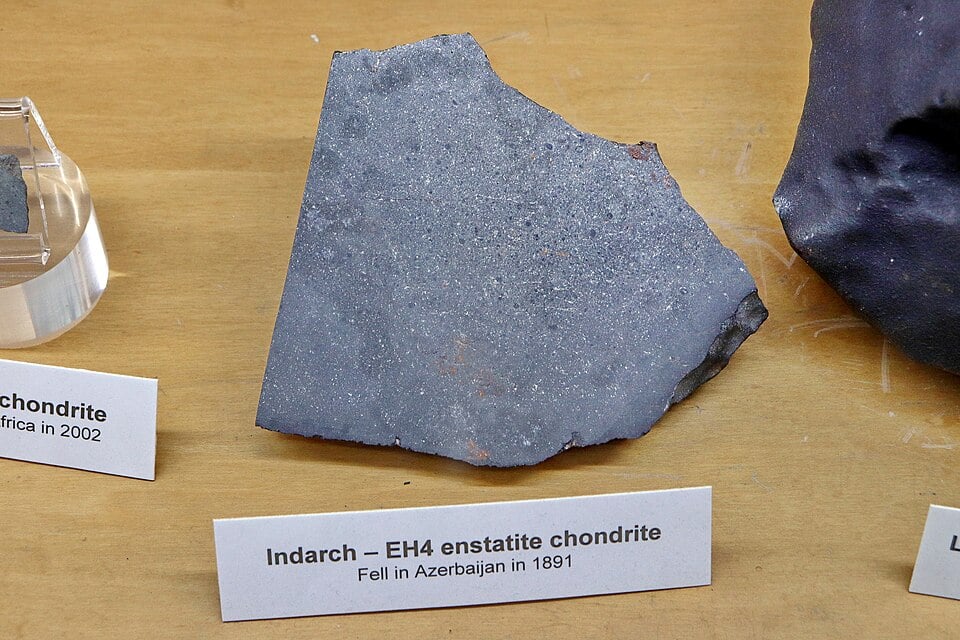
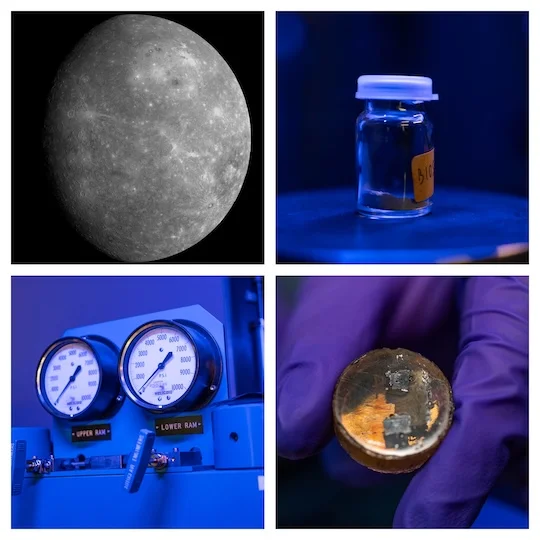
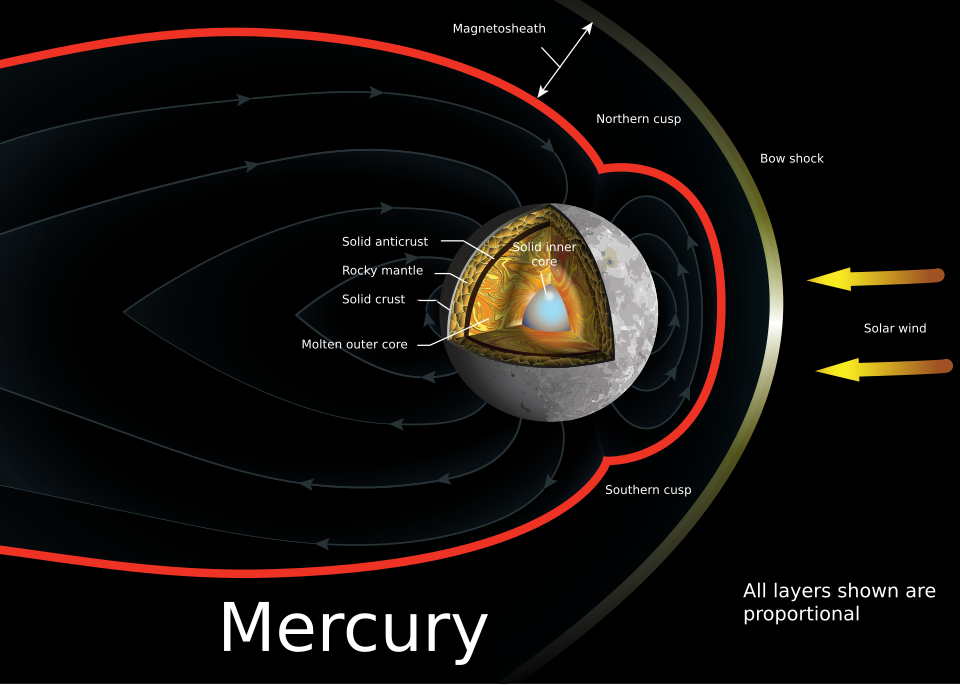
Mercury is one of the four rocky planets of the Solar System, yet its chemistry is very different from Earth, Venus, and Mars. Missions to the planet show that it has an iron-poor, but sulfur- and magnesium-rich crust, which has implications for its interior makeup. Furthermore, it's known to planetary scientists as the most reduced planet in the Solar system. That means the chemicals it contains are dominated by sulfides, carbides, and silicides, as opposed to oxides like we see here on Earth. A team of Rice scientists has figured out a way to model Mercury's reduced state. They didn't have any rocks from Mercury, so they improvised. “Mercury’s surface looks completely different than Earth’s,” said Rajdeep Dasgupta, the Maurice Ewing Professor in Earth Systems Science and director of the Rice Space Institute Center for Planetary Origins to Habitability. “We couldn’t study its magmatic evolution using assumptions built off our understanding of Earth, and missions data are difficult to interpret.…