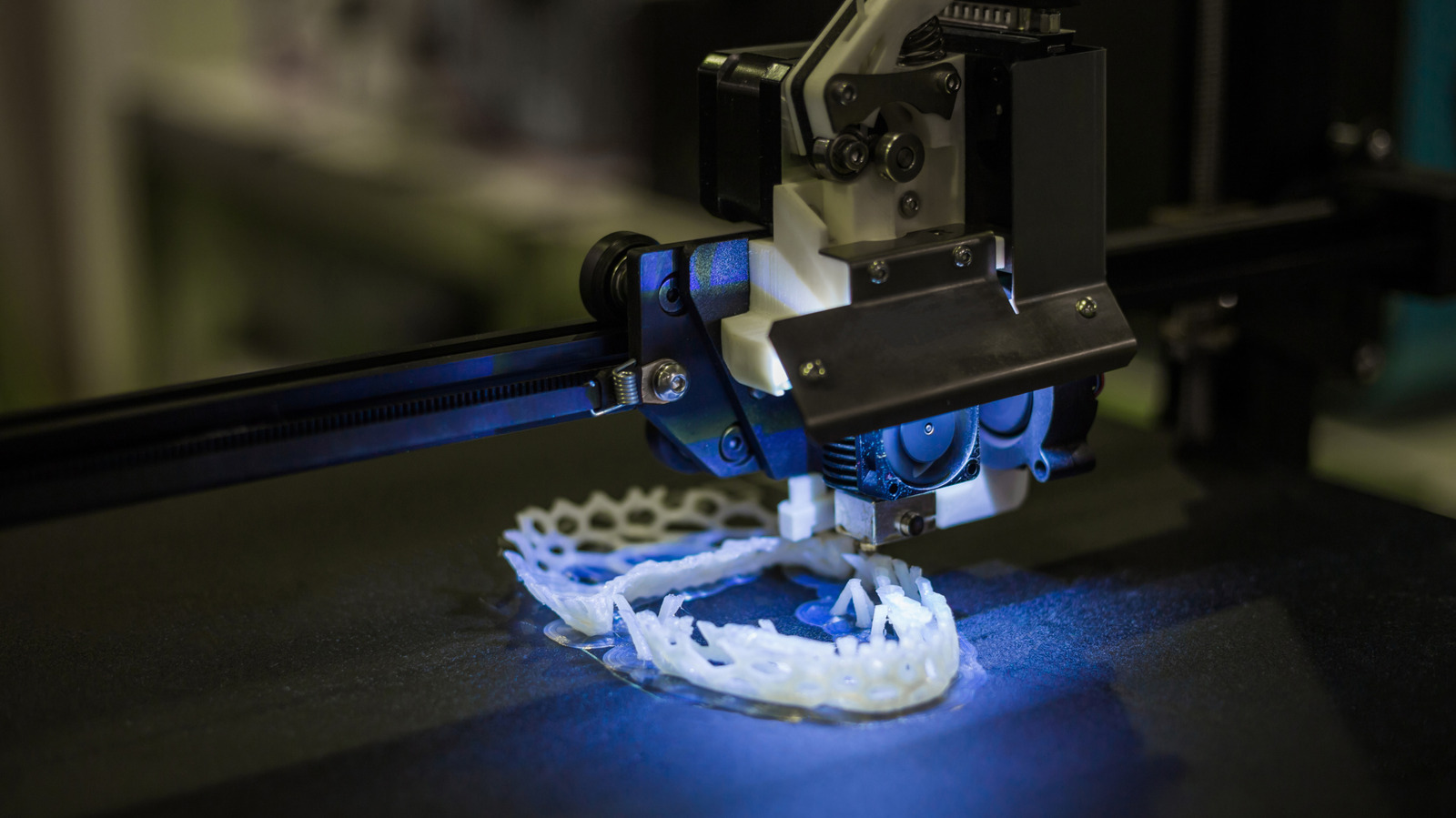
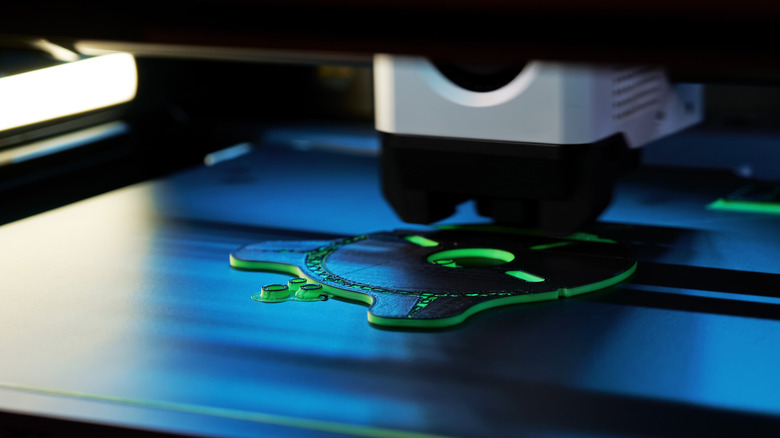
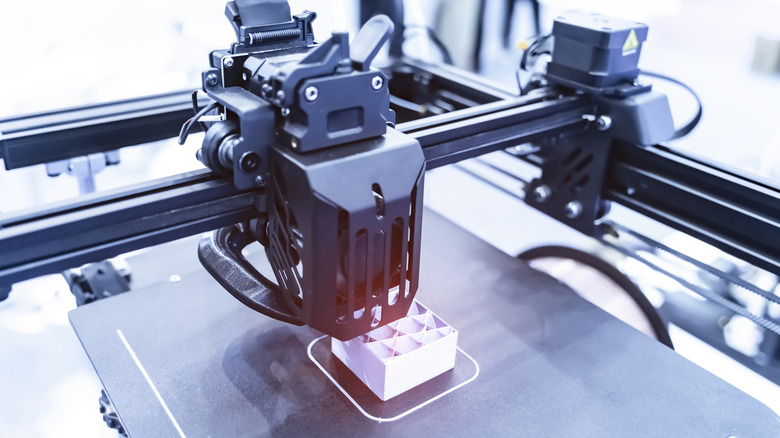
Kynny/Getty Images 3D printing was once an innovation out of "Star Trek." Now, hobbyists can complete various impressive 3D printing projects in their own homes (as well as some that maybe don't represent the most valuable uses of this technology). However, at the research level, the technology continues to grow and develop, with teams exploring the possibilities of 4D printing. One research team is even experimenting with 4D printing to create autonomous "soft robots" using materials that have typically been waste products. A key distinction between traditional 3D printing and 4D printing is the addition of a time element. This is the additional dimension that makes it "4D." 3D printing involves printing static objects that typically don't move unless incorporated into machines as parts. 4D printing allows for the creation of objects that can change their shapes, uses, or both in reaction to stimuli.…