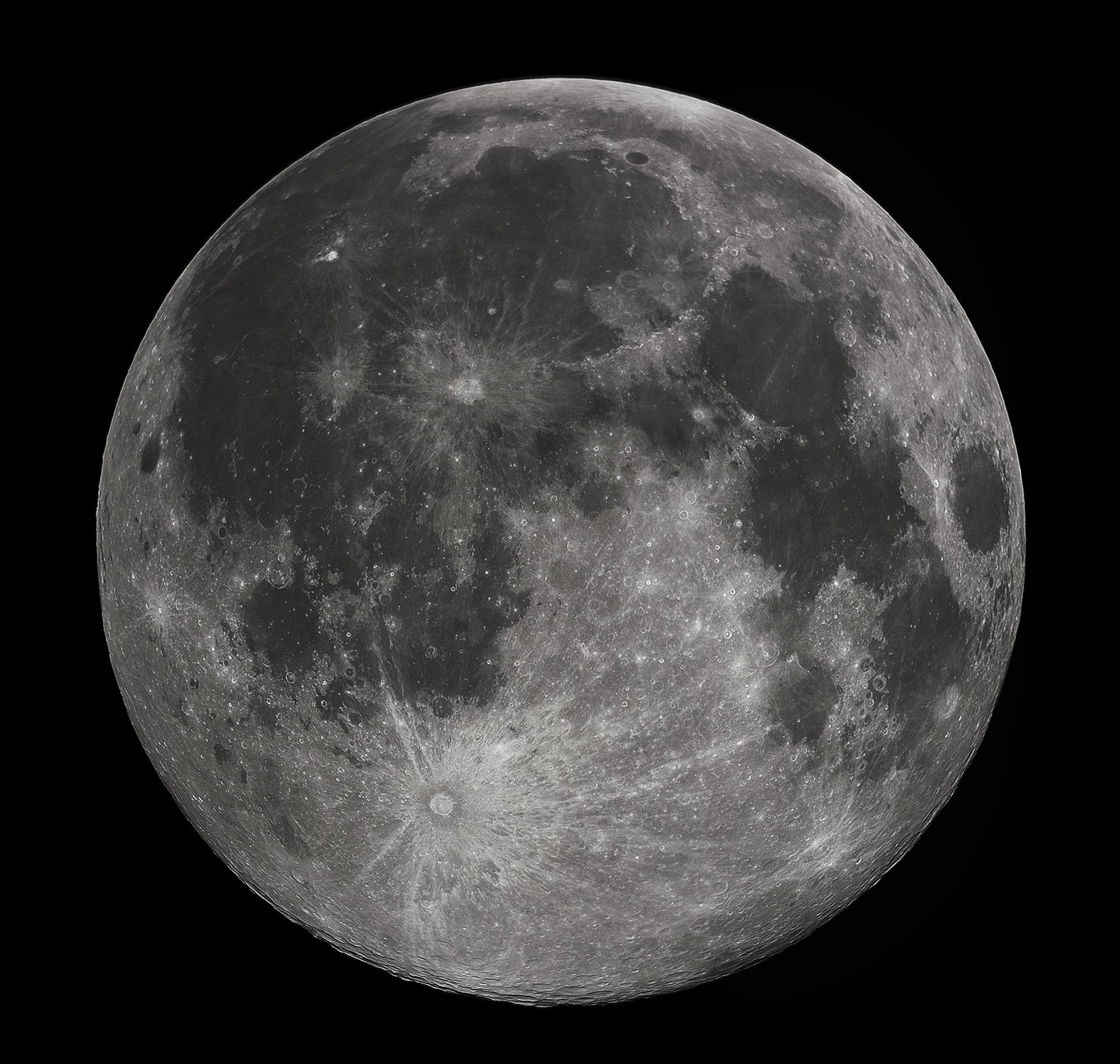
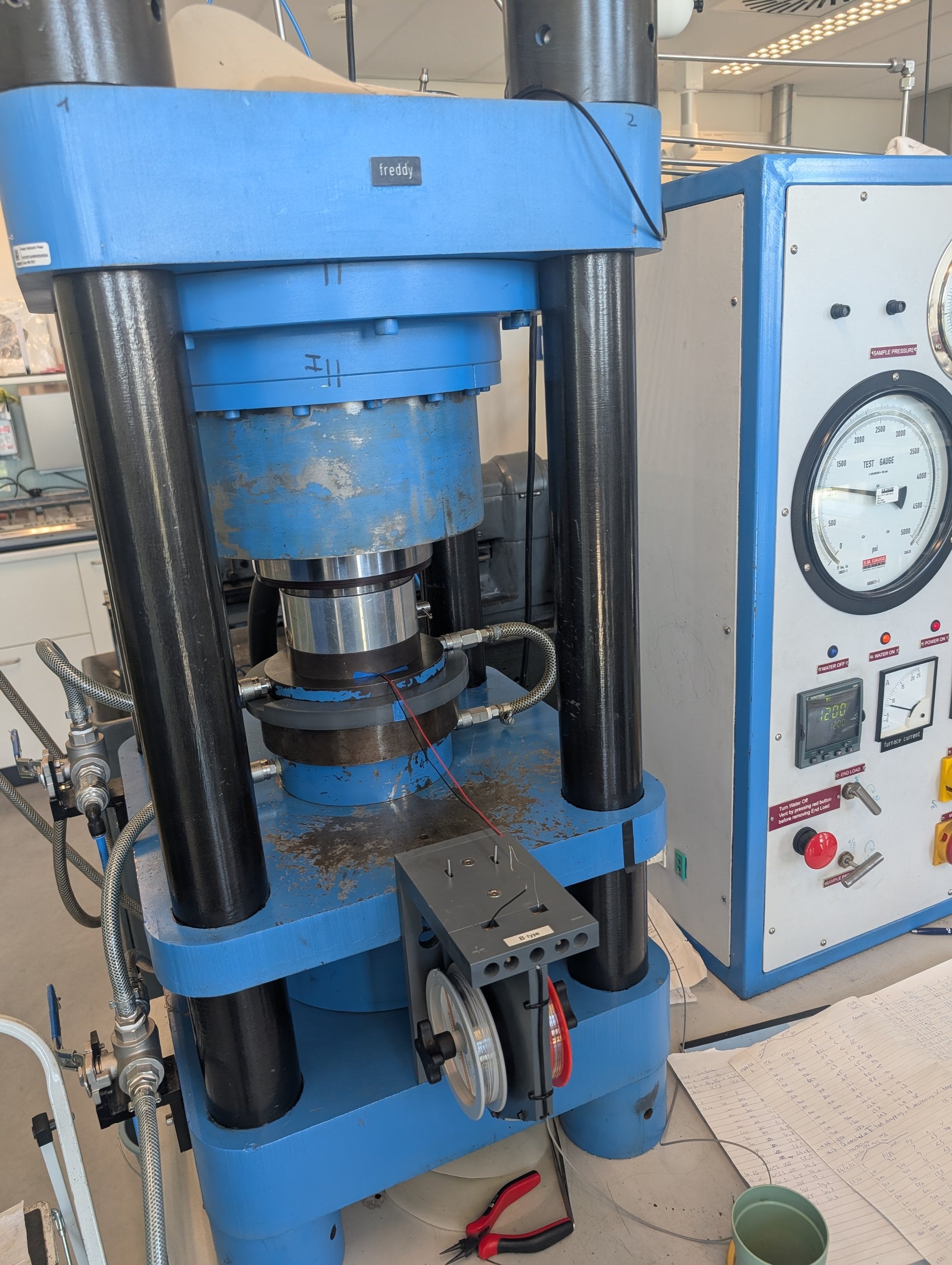
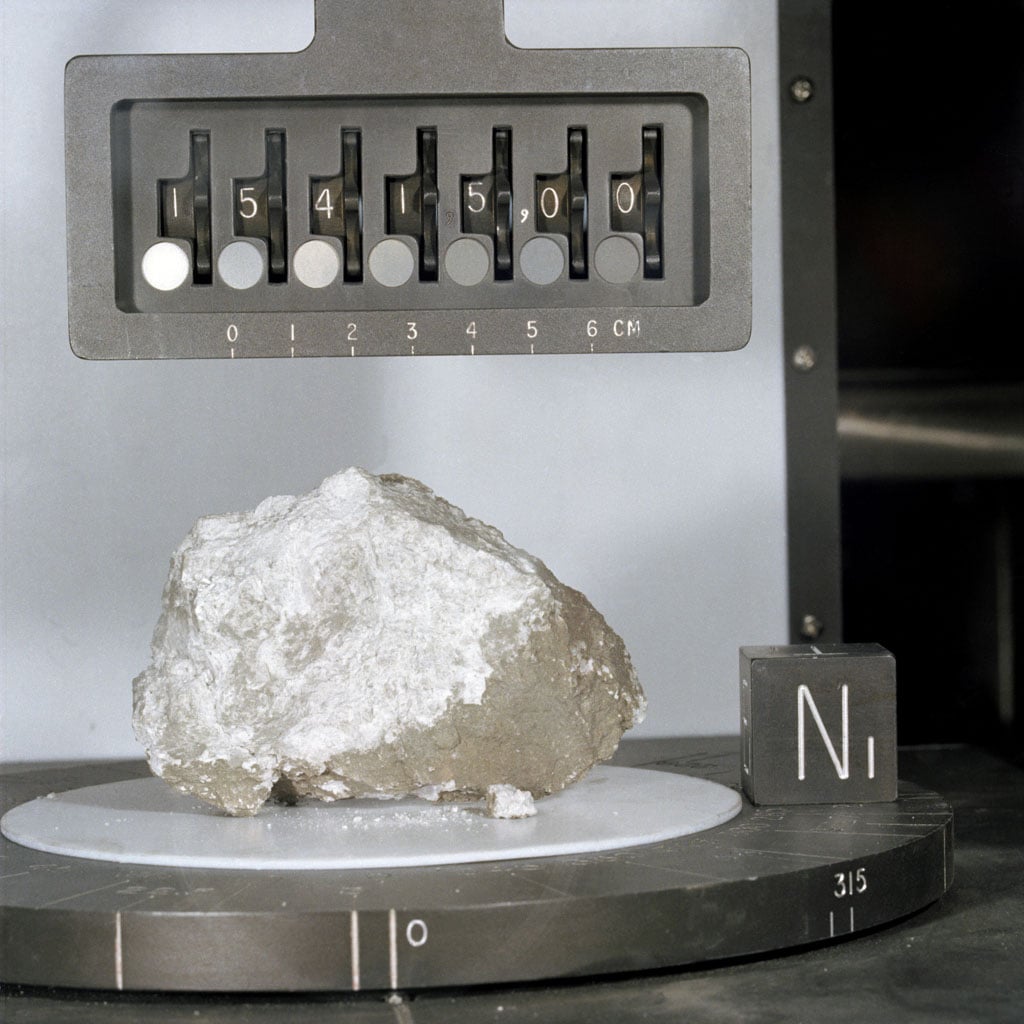
A half century after NASA’s Apollo 17 lunar module lifted off the Moon’s northeastern near side quadrant, planetary scientists still don't completely understand when or how our Moon first formed. They do agree that it involved a major impactor --- an object dubbed Theia by lunar scientists --- that likely struck our Earth some 4.51 billion years ago. But the estimated size of Theia now ranges from a proto-Mercury-sized object all the way up to an object that was about half the size of present-day Earth. In fact, the latest hydrodynamic models indicate that a larger impactor offers the most palatable explanation as to why the Apollo moon rocks seem to be so chemically similar to what we find in olivine-rich volcanic basalts here on Earth. Earth was hugely affected by this massive impact; it really reset the history of our planet, Wim van Westrenen, a lunar and planetary scientist at Vrije Universiteit Amsterdam, tells me during a recent sit-down interview in his office.…