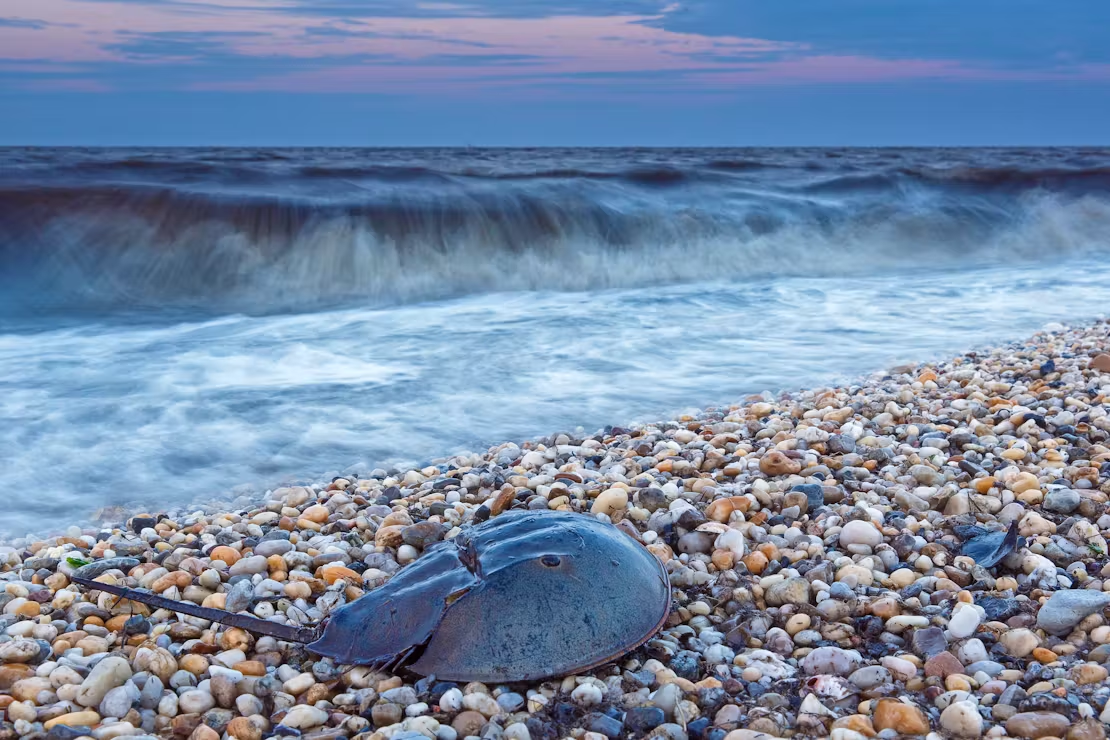
The full moon is rising over the lapping waves. It’s high tide in May and the edge of the beach looks almost rocky... except those aren’t rocks. They’re horseshoe crabs! Each May and June these living fossils come to shore during new and full moon high tides. While they can be found on beaches all along the Atlantic Coast in the U.S., Delaware Bay sees the highest concentration. Image USFWS Horseshoe Crabs are historic and have evolved incredibly, surviving mass extinctions and playing an essential role in their ecosystems. But they’re also not the creatures you would expect. Are they really crabs? How old are horseshoe crabs? Are they dangerous? What is horseshoe crab blood used for? Read on to find out the answers to these questions and learn seven facts about these living fossils! 1. What’s in a name? Horseshoe crabs are arthropods. Although “crab” is in their common name, these unique animals are not actually crabs or crustaceans. Horseshoe crabs are arthropods.…