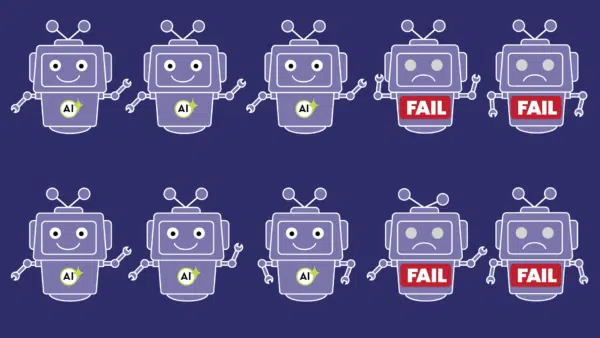
We’re primed to spot problems and fix them, but we sometimes forget to see what’s going right. Take this example: I watched Janeen propose a new operational process to the marketing leadership team. I was impressed by her clarity, persuasiveness, and how she demonstrated value. Her proposal was unanimously accepted. Afterward, I asked her how she thought it went. “I didn’t have enough ROI data on the tech stack additions.” What? Despite her fantastic performance and the great outcome, this MOps star focused on the single critique. Instead of rejoicing, she was swept away by negativity bias. Our brains are wired so risks, losses, criticisms, and bad news influence us more strongly than equivalent gains or good news. This may have an evolutionary origin: If our ancestors heard rustling in the bushes, it was better to assume it was a tiger than to risk getting eaten. It can also bias us toward negativity.…