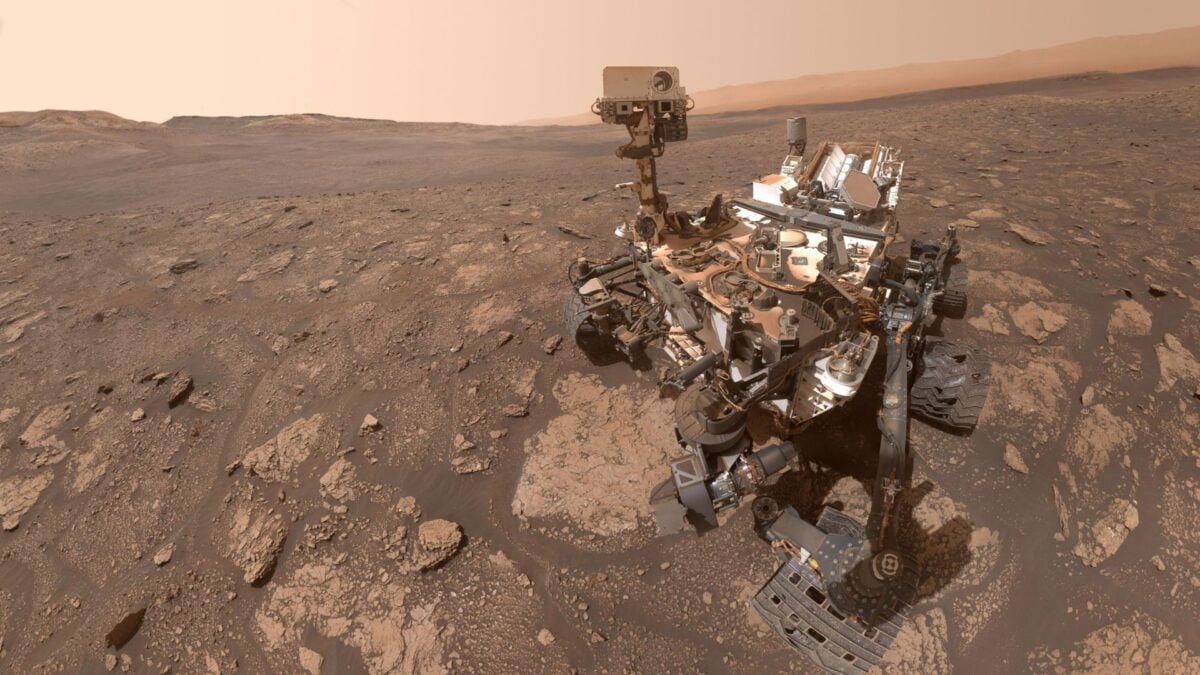
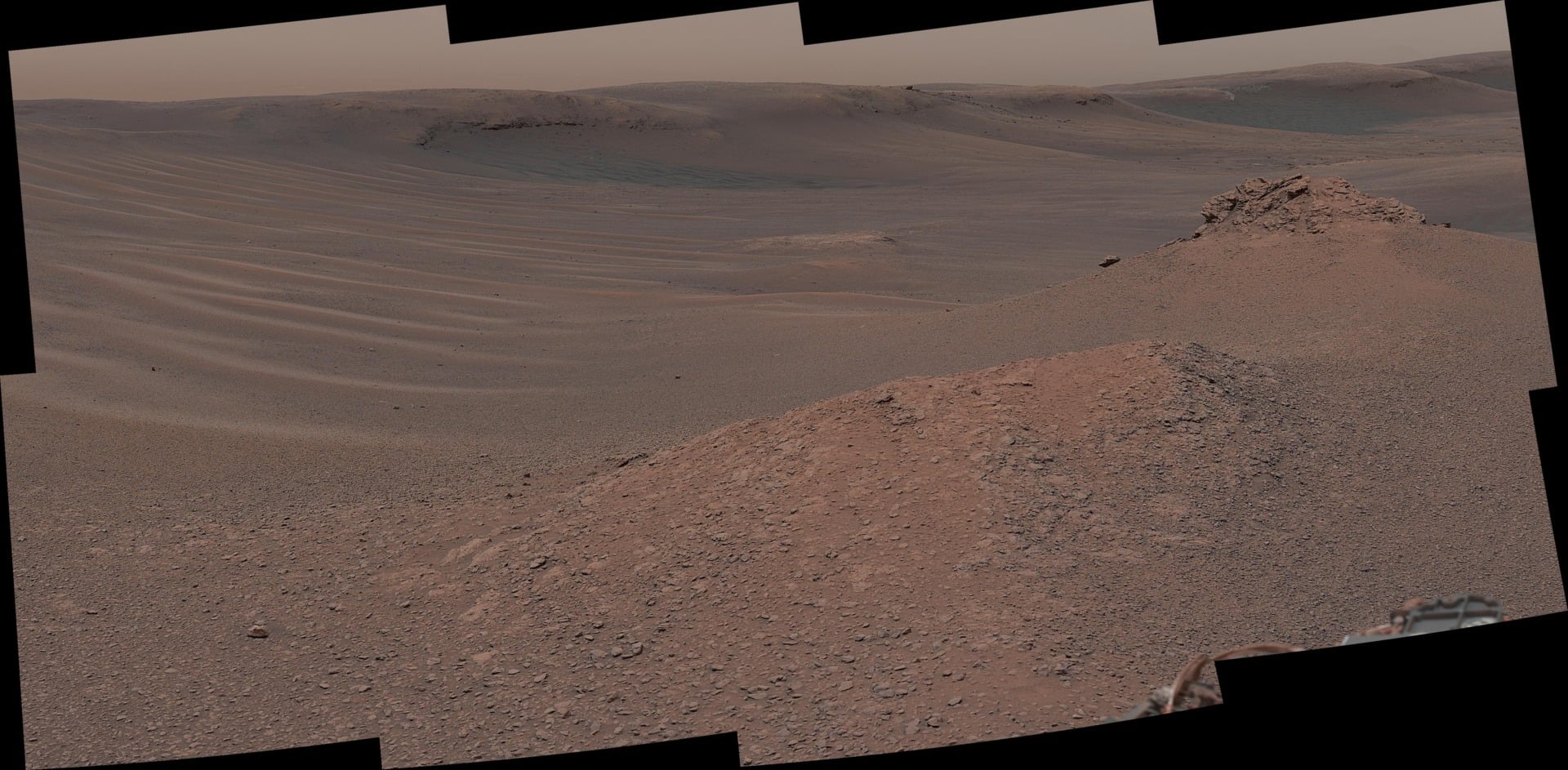
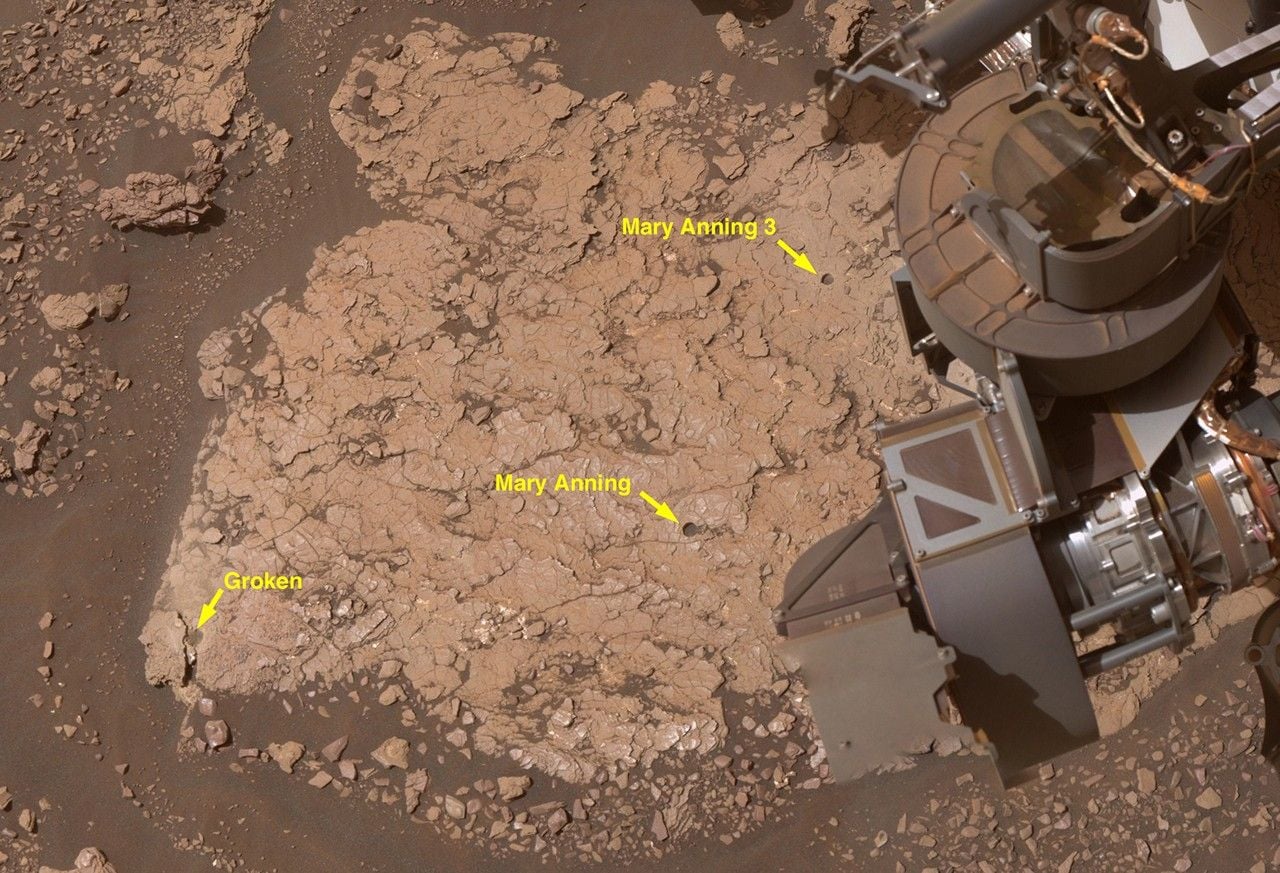
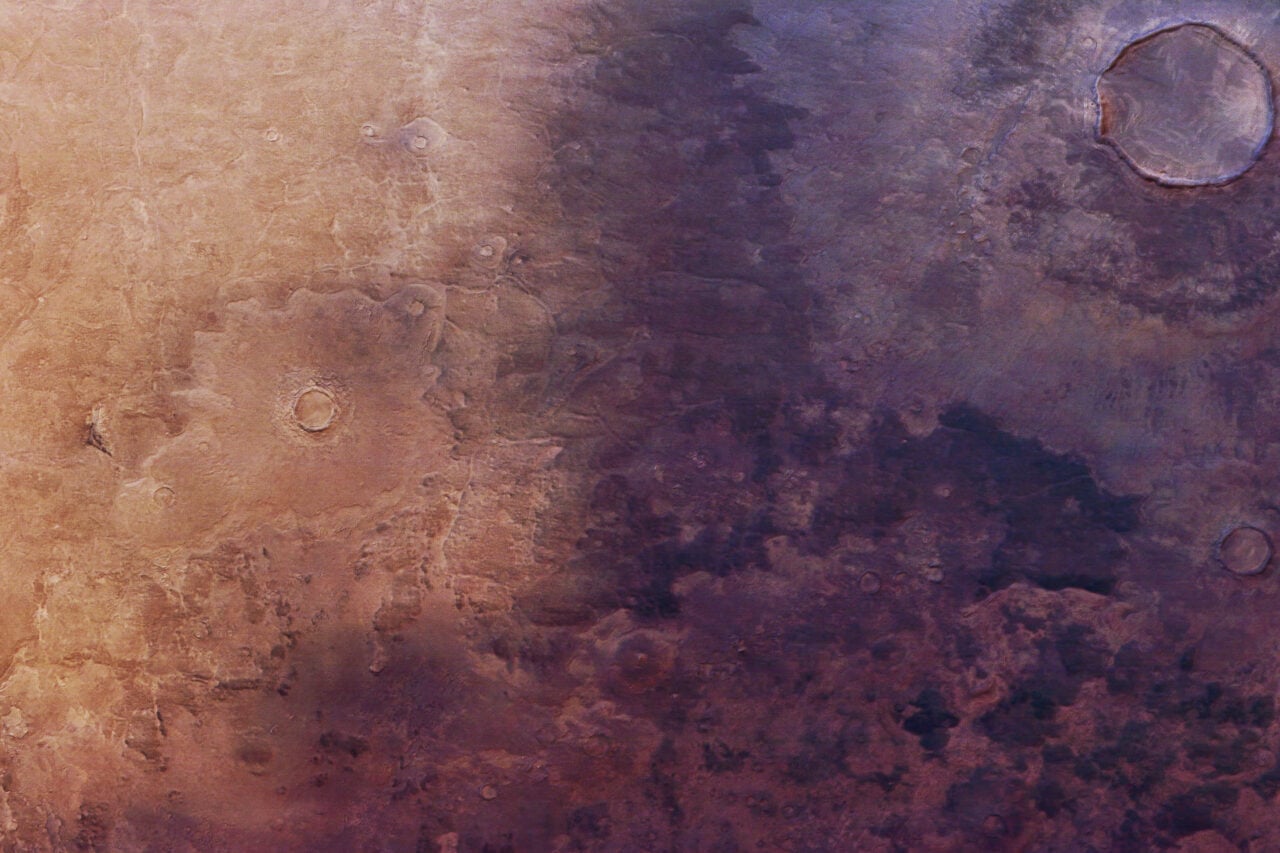
NASA’s Curiosity Mars rover has spent more than 13 years exploring the 3.5-billion-year-old Gale crater, slowly climbing a central mound known as Mount Sharp. Satellite data suggest this formation may contain evidence of an ancient Martian ocean—and where there was once water, there may have been life. A study published Tuesday in the journal Nature Communications found exciting new evidence to support that hypothesis. Using a rover-enabled chemical experiment that had never been performed on another planet before, researchers detected more than 20 organic molecules in clay-rich Martian sandstones. The findings add to a growing body of evidence that suggests Mars wasn’t always a desolate red wasteland . Scientists believe some of these newly detected molecules may have been ingredients for life on Earth, raising questions about whether similar chemistry could have once supported life on Mars.…