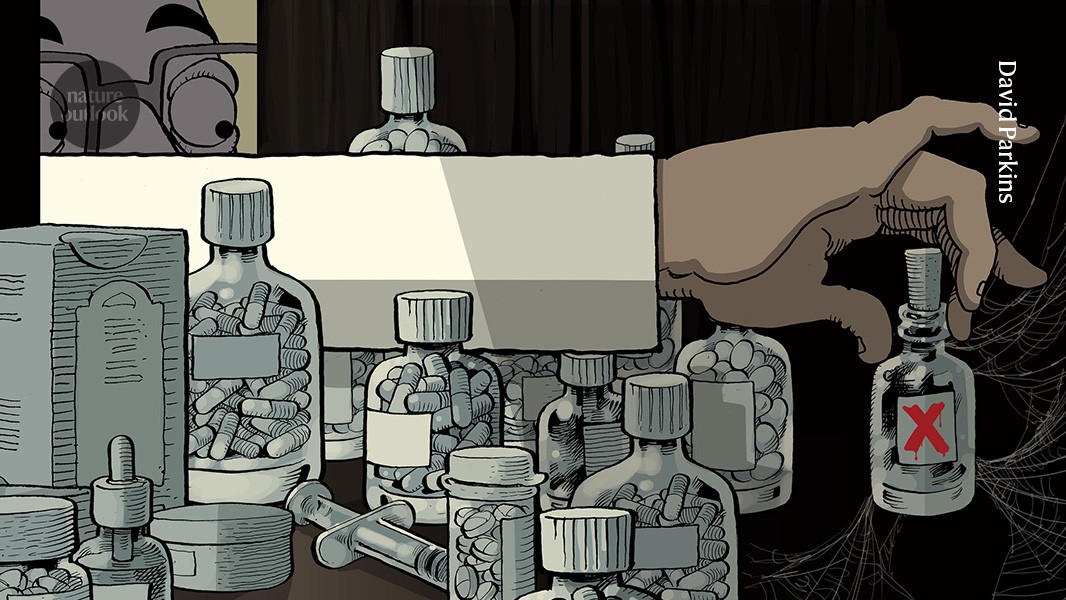
An alarming increase in bacterial infections that don’t respond to many medicines has forced physicians to reach for outdated drugs at the back of the cupboard. In doing so, however, they might have stumbled on a wellspring of options for tackling the threat of antimicrobial resistance. The unfashionable antibiotics in question are antimicrobial peptides (AMPs). Microorganisms, insects and mammals alike make thousands of these small proteins, typically no more than 60 amino acids in length. Many work by targeting parts of the bacterium’s protective layer that are crucial to its structural integrity, which makes it challenging for bacteria to evolve resistance to these drugs. Nature Outlook: Antimicrobial resistance Since the adoption of AMPs in the mid-twentieth century, they have fallen out of use because of their toxicity to humans. As resistance to other antibiotics increases, however, physicians are again having to use AMPs such as polymyxin as a last resort.…