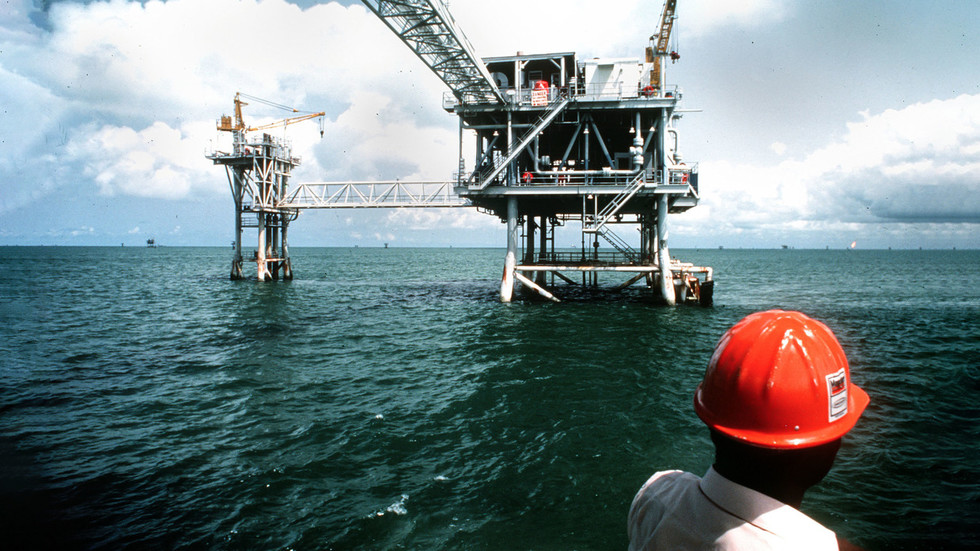
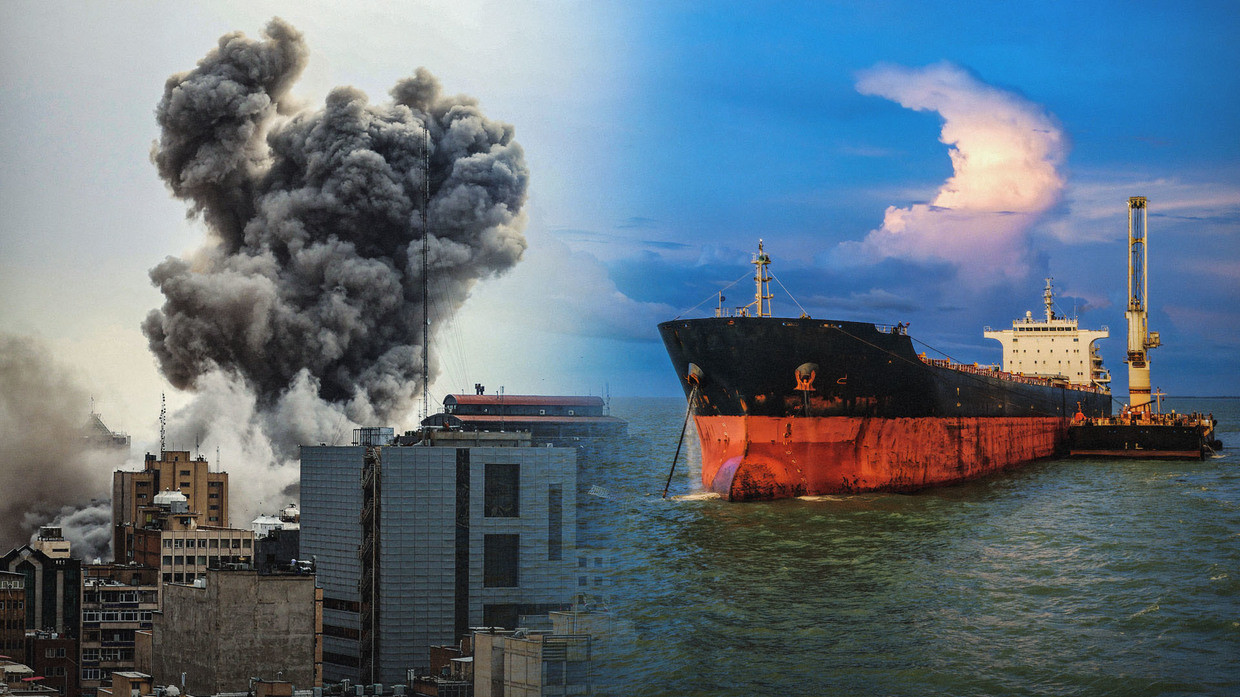
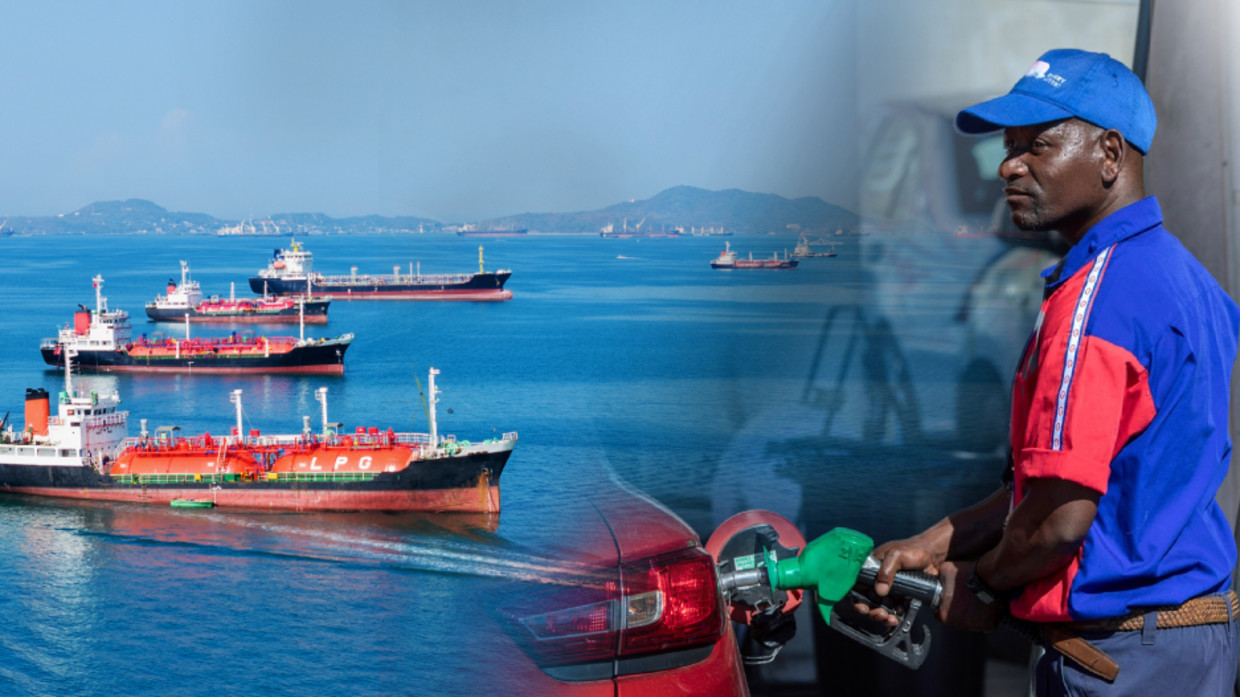
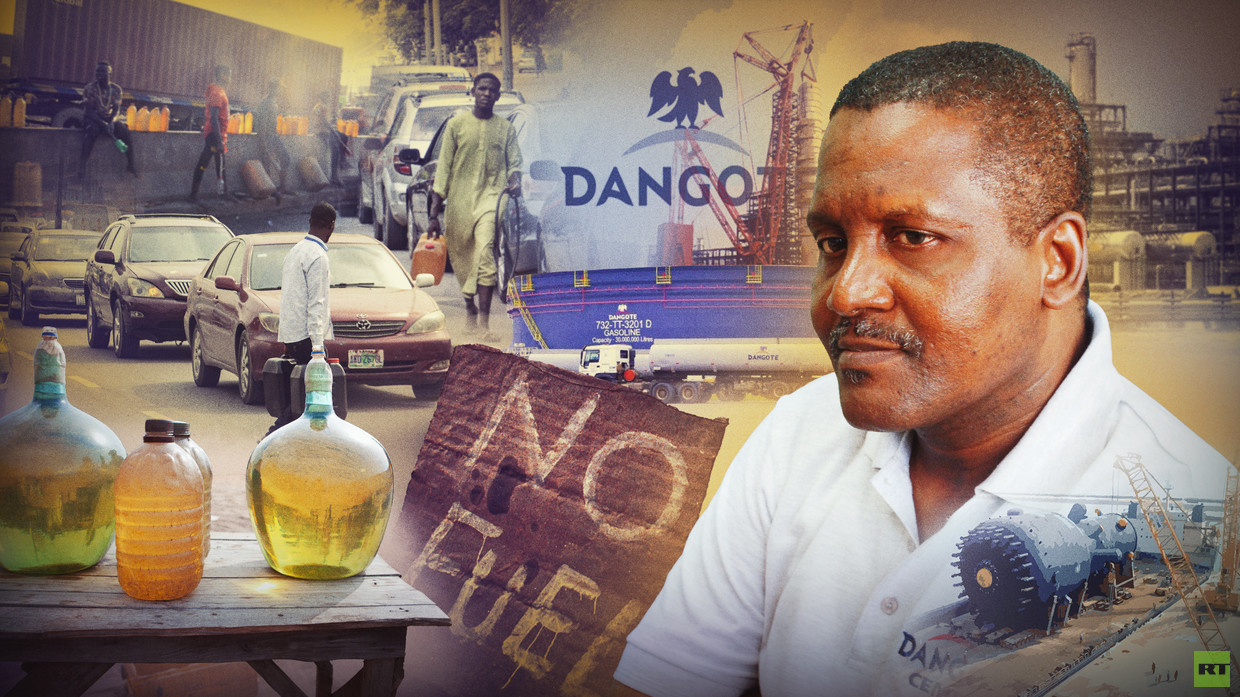
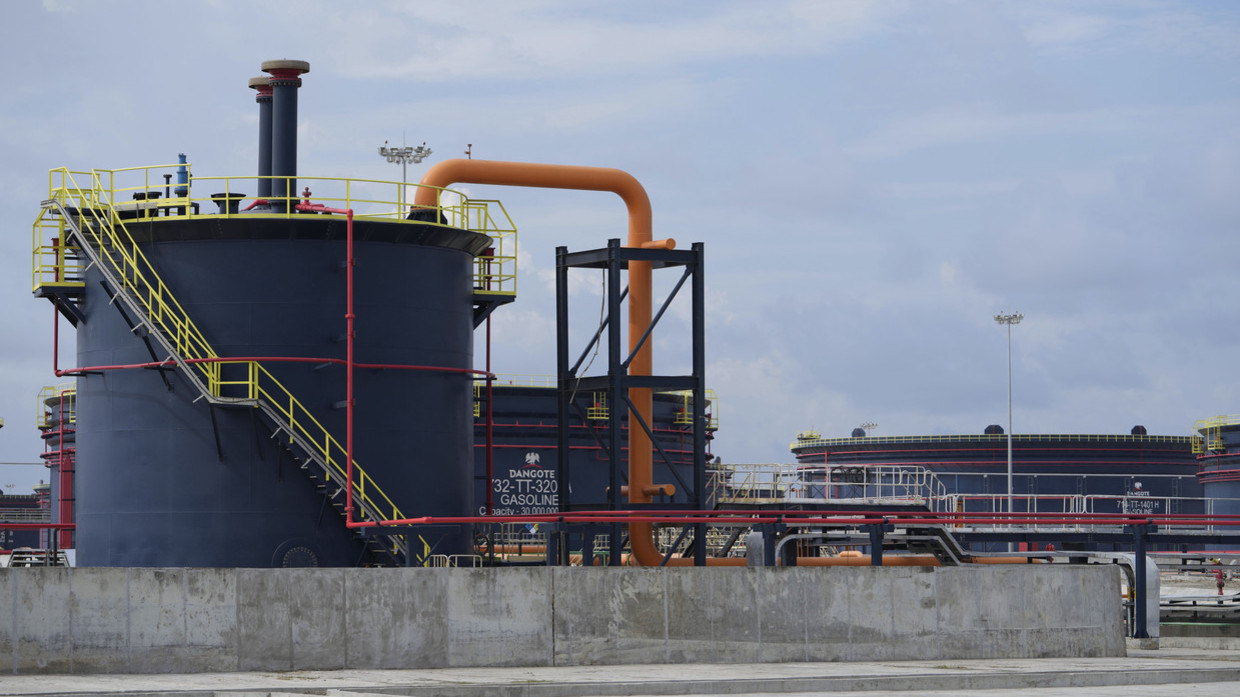
Nigeria’s oil, pumped from its own soil, is systematically routed away from its own shores For Nigeria, Africa’s largest oil producer and one of its most densely populated nations, the closure of the Strait of Hormuz in early 2026 exposed fault lines that politicians and technocrats have long preferred to ignore. The Strait of Hormuz is one of the most consequential waterways on earth. Roughly 21 kilometers wide at its narrowest point, it channels nearly 20% of the world’s oil trade, functioning as the jugular vein of the global hydrocarbon economy. When that artery constricted in March 2026, Brent crude prices surged past $114 per barrel, the highest since 2022 – in a matter of days. Beyond crude oil, the closure disrupted the flow of petrochemicals and fertilizers, commodities for which the Gulf region is among the world’s foremost exporters.…