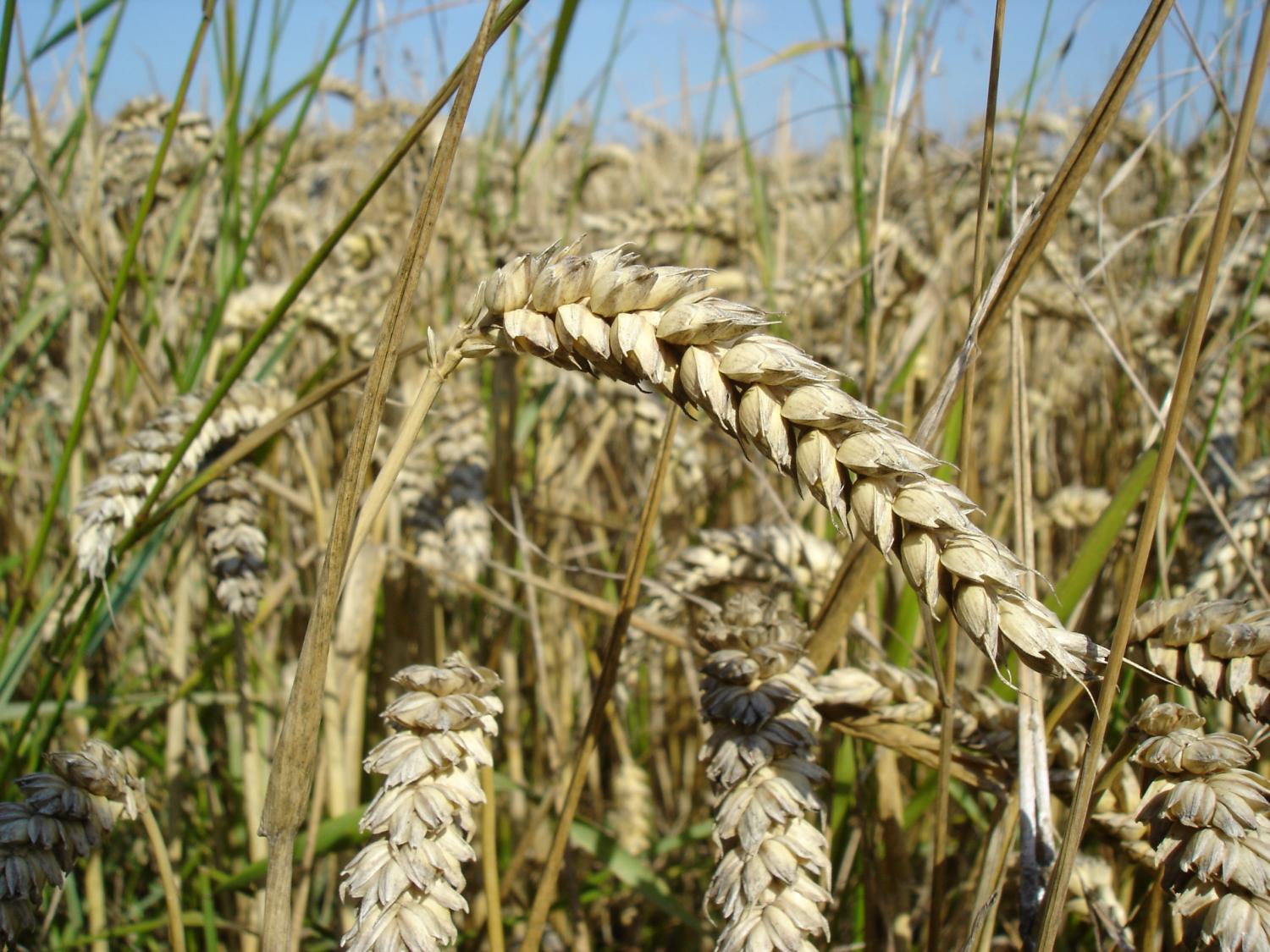
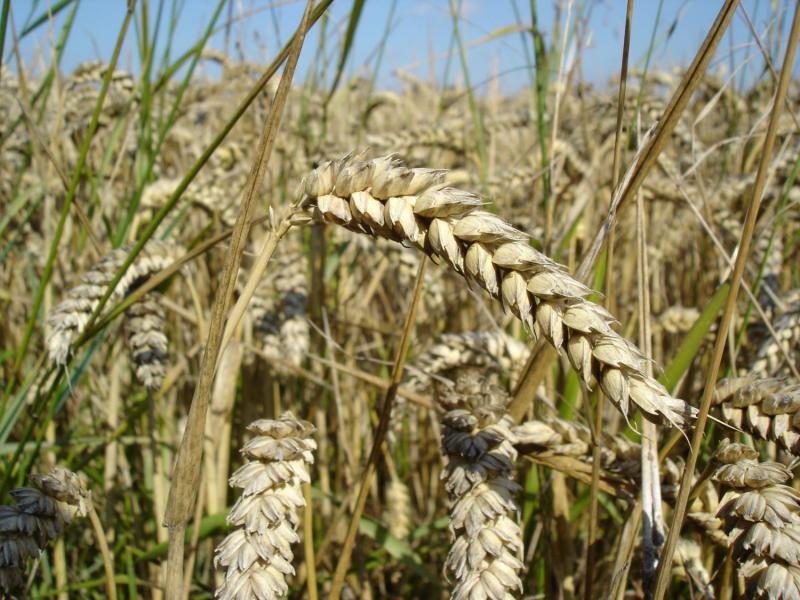
Credit: Wikipedia A new experimental study has identified a novel genetic locus in a common agricultural weed, Elymus repens, that provides significant resistance to the destructive fungal disease Fusarium Head Blight (FHB) and has now been successfully transferred into wheat to produce FHB resistant hybrids. FHB is a virulent fungal disease that poses a serious threat to global food security and is regarded as one of the world's most economically harmful cereal diseases. FHB reduces grain yield and produces mycotoxins that cause gastrointestinal issues in humans and livestock, requiring infected crops to be destroyed. E. repens , more widely known as coach grass or common coach, is a wild relative of cultivated wheat, allowing for the two species to breed together and create genetic hybrids. "Both research and breeding practice have shown that developing and deploying resistant wheat cultivars is the fundamental solution to FHB," says study author, Fei Wang.…