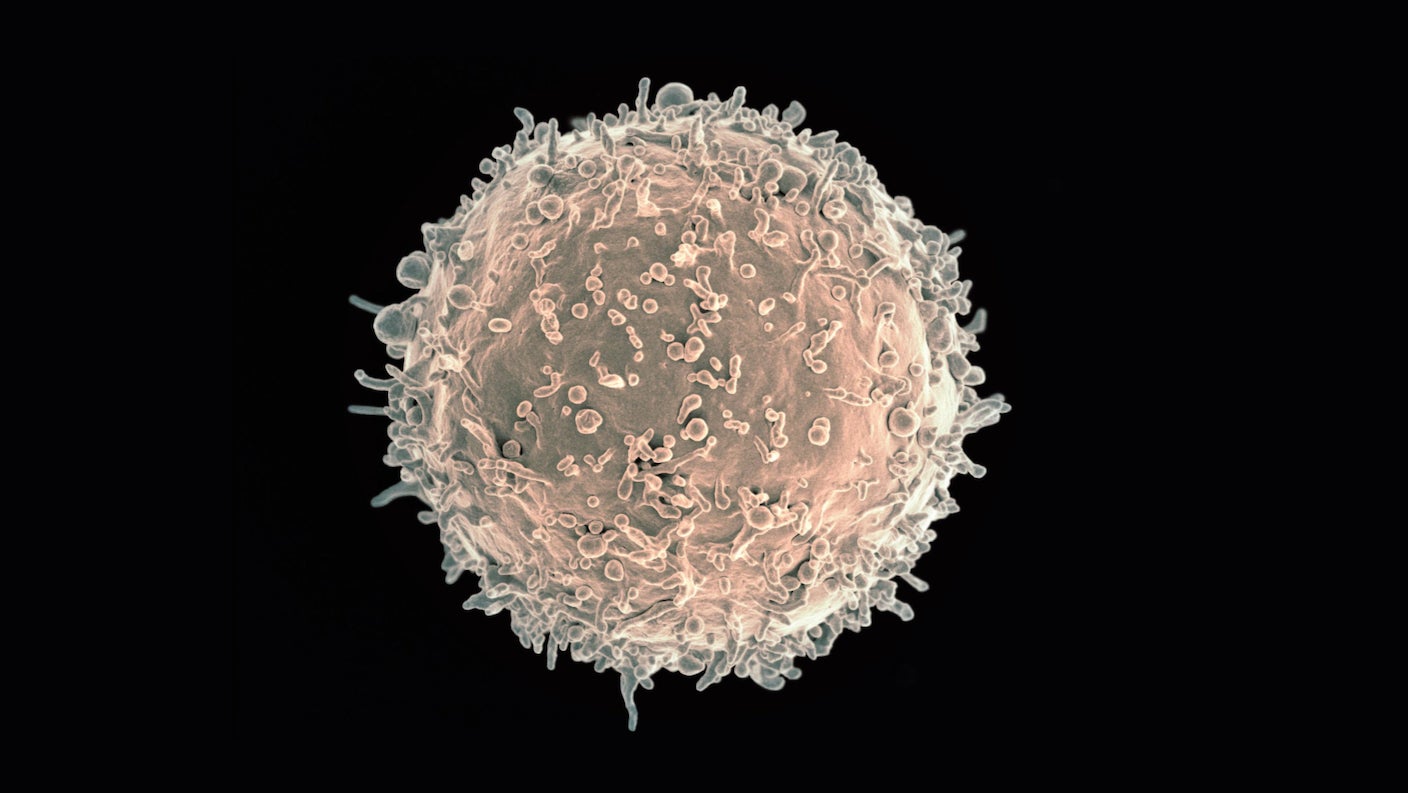
The 47-year-old woman was at the end of her rope. In 2014, she was diagnosed with a rare form of anemia. Her body’s B cells, which normally produce antibodies to fight infections, had gone rogue, endlessly attacking oxygen-carrying red blood cells. Two other autoimmune disorders soon followed, one crippling her body’s ability to stop bleeding, the other increasing the risk of blood clots. She had tried nine treatments. None helped. Her life was centered on blood transfusions, up to three daily, to keep the symptoms at bay. But constant fatigue made every day a struggle. The threat of deadly bleeding or blood clots loomed over her life. Out of options, her care team tested an experimental treatment called CAR T cell therapy. They made a “living drug” out of the patient’s own T cells, editing the cells’ DNA so they would seek and destroy a specific biological enemy. Though CAR T is best known as a treatment for blood cancer, it’s also shown early promise in autoimmune disease.…