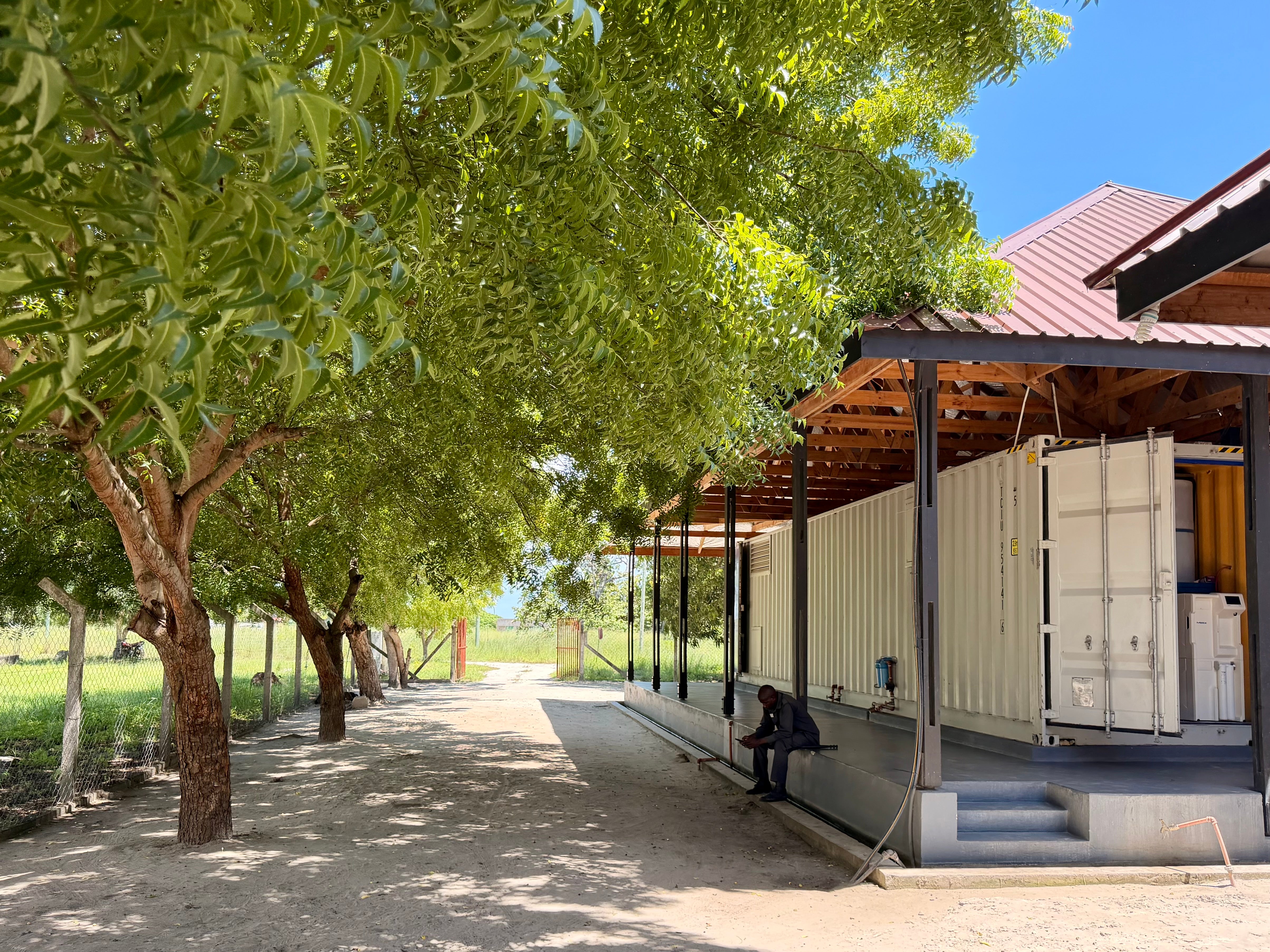
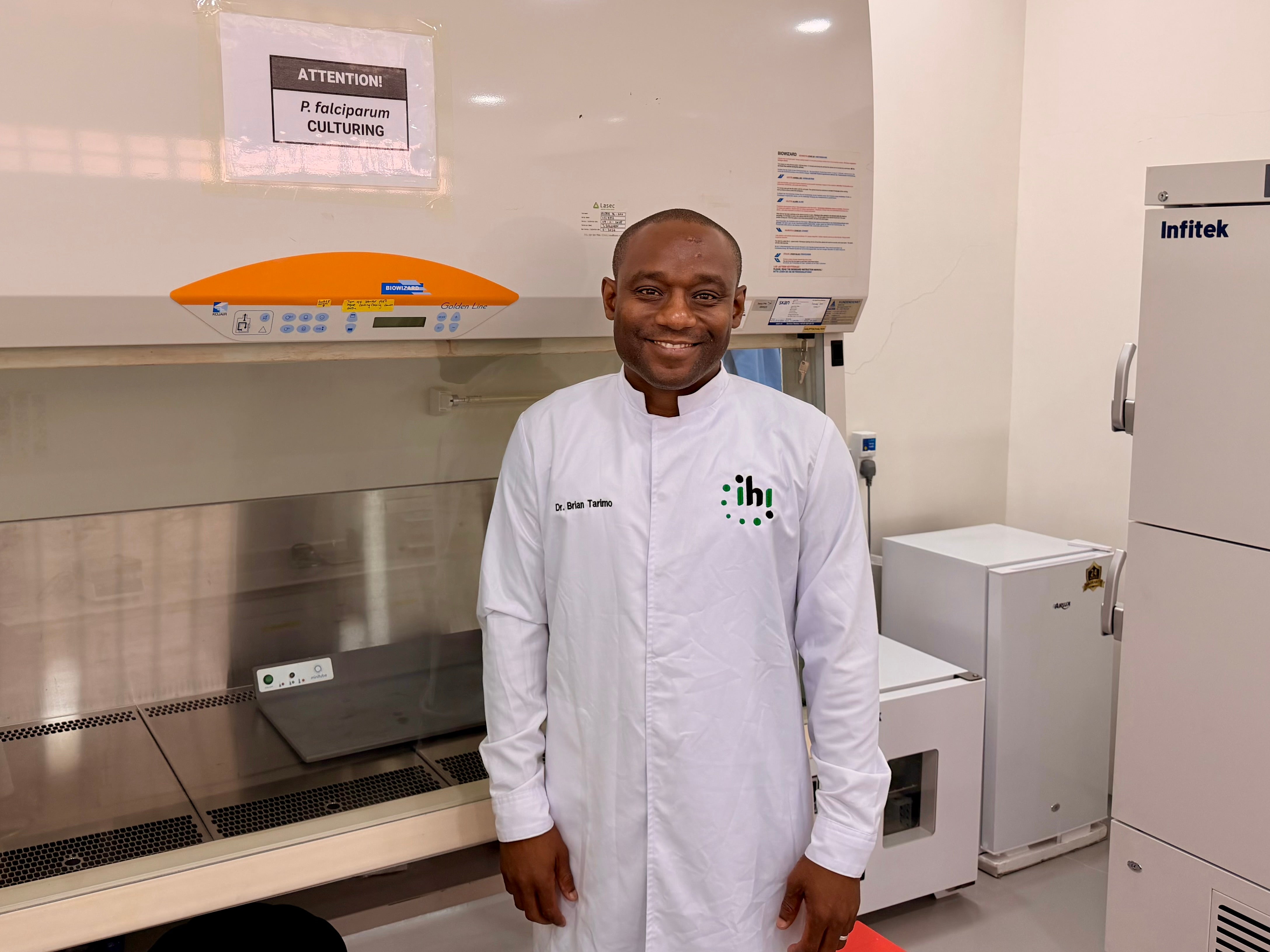
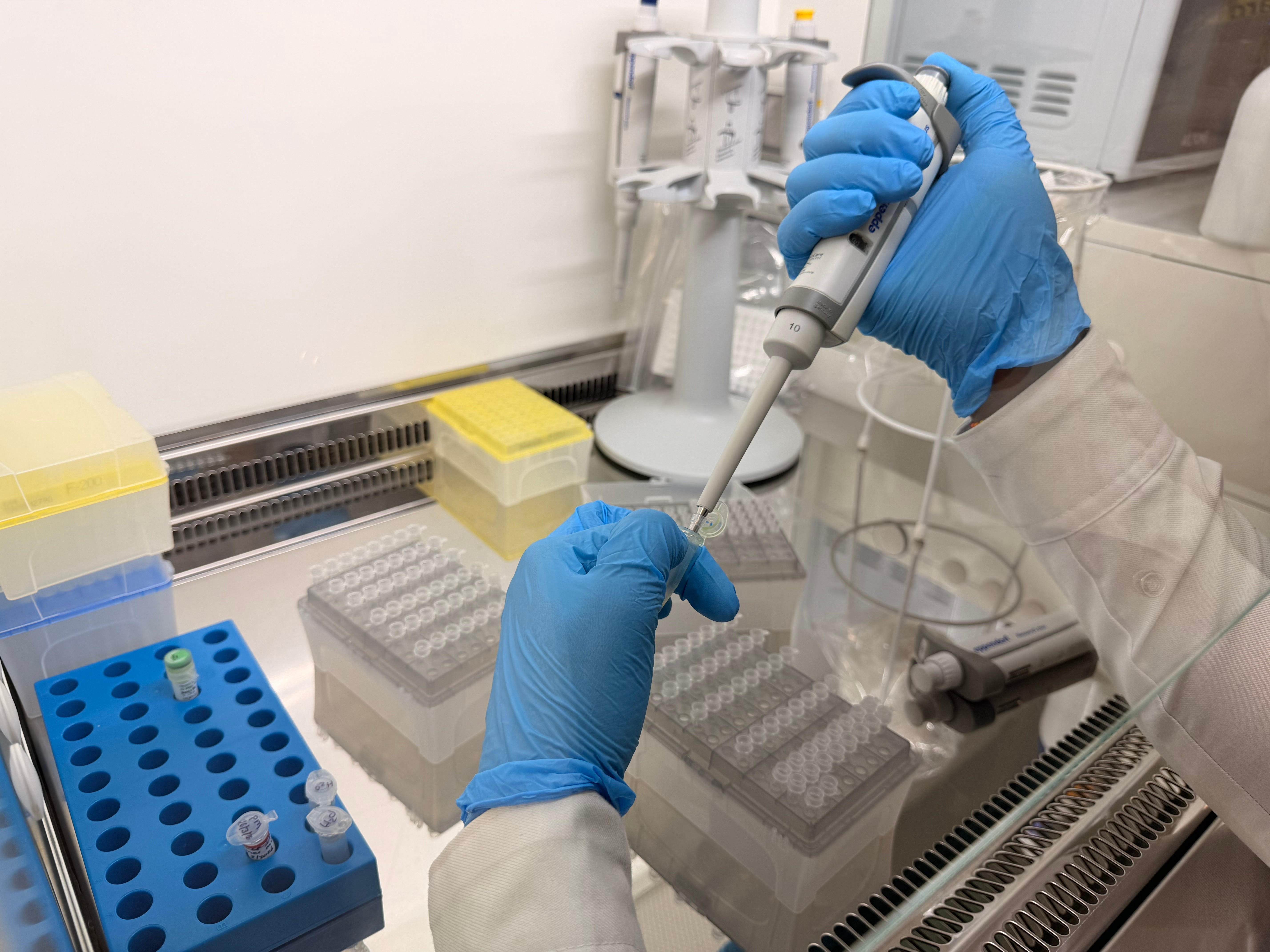
I nside a shipping container shaded by mango trees in the sleepy coastal town of Bagamoyo, Tanzania , research scientist Dr Brian Tarimo uses an ultra-fine needle to inject mosquito eggs lined up along a microscopic slide. Grey and non-descript from the outside, the container holds a state-of-the-art research lab built in Spain and imported in its entirety to the Ifakara Health Institute, which is a leading research centre in Tanzania. The needle, meanwhile, contains genetic material precisely modified by CRISPR gene-editing – a scientific breakthrough that won the 2020 Nobel Prize for chemistry – which blocks the development of Plasmodium parasites that cause malaria . It’s a process that could be game-changing in the millennia-long fight against malaria, which continues to kill more than 600,000 people per year.…