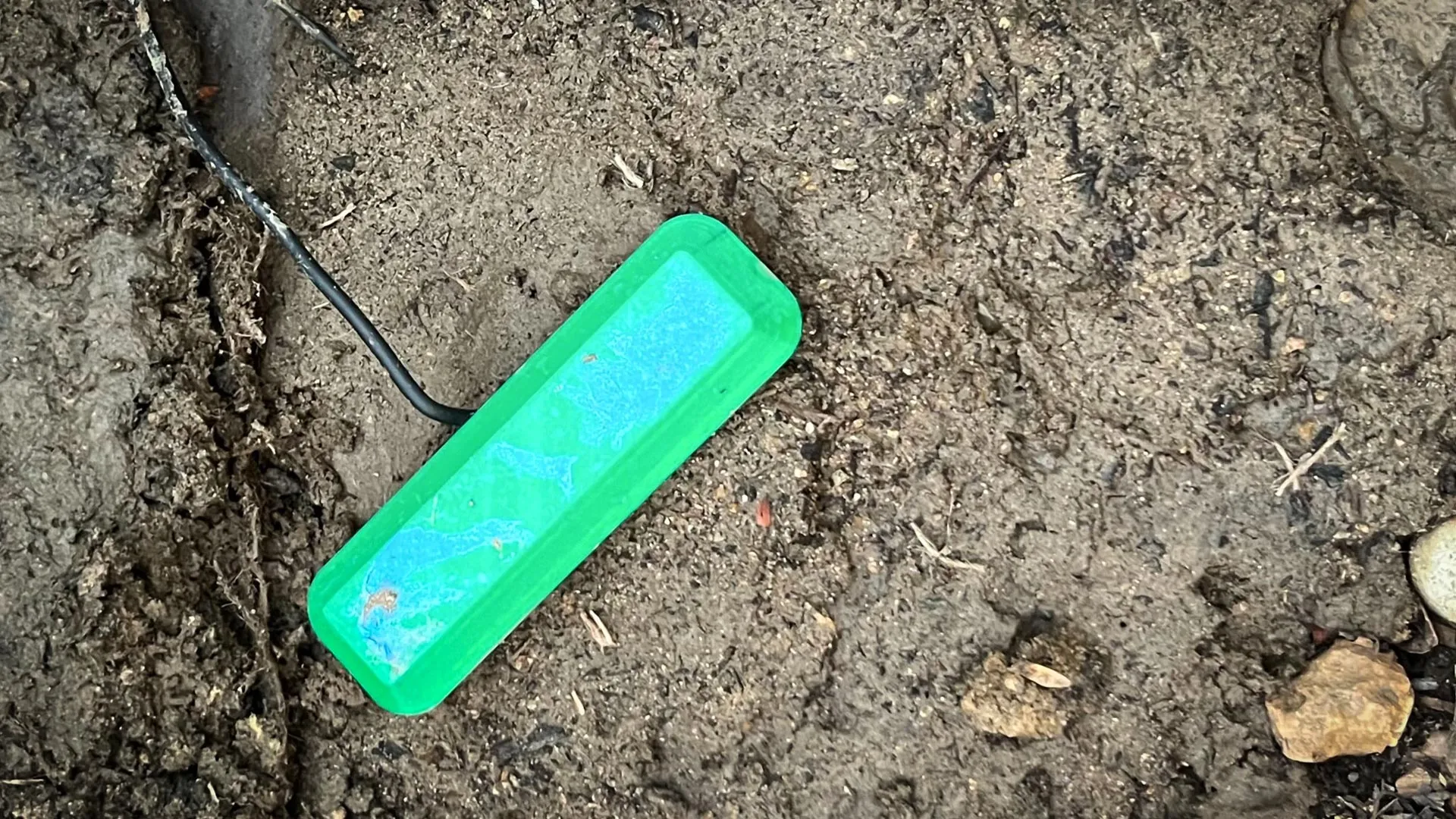
Researchers led by Northwestern University have developed a fuel cell that generates electricity using microbes naturally found in soil. The device, roughly the size of a paperback book, produces small amounts of power by capturing energy released as these microorganisms break down organic material in dirt. This soil-powered system is designed to run underground sensors used in precision agriculture and environmental monitoring. It offers a potential alternative to traditional batteries, which contain toxic and flammable materials, rely on complex global supply chains, and contribute to growing electronic waste. Powering Sensors Without Batteries To demonstrate its capabilities, the team used the fuel cell to operate sensors that measure soil moisture and detect touch. This touch-sensing ability could help monitor wildlife movement, such as animals passing through a field.…