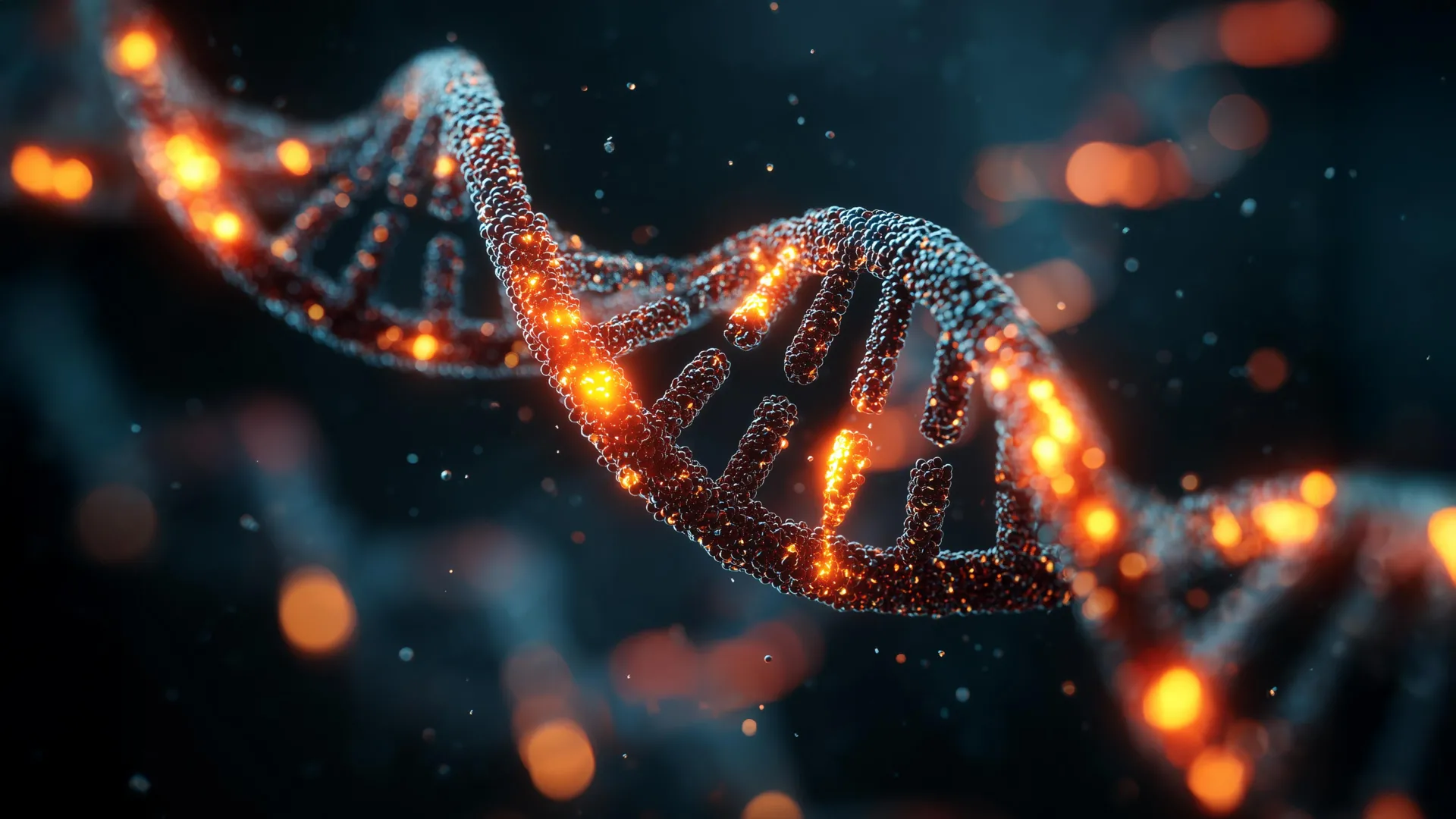
A test designed to push the limits of single cell DNA sequencing ended up revealing something far more surprising: a microscopic organism from a pond at Oxford University Parks appears to use the genetic code in a way scientists had not seen before. Dr. Jamie McGowan, a postdoctoral scientist at the Earlham Institute, was studying the genome of a protist collected from freshwater. The goal was practical. Researchers wanted to test a DNA sequencing pipeline that could work with extremely small amounts of DNA, including DNA from a single cell. Instead, the team found an unexpected genetic outlier. The organism, identified as Oligohymenophorea sp. PL0344, turned out to be a previously unknown species with a rare change in how it reads DNA instructions and builds proteins. The PLOS Genetics study reported that two codons normally associated with gene stopping signals had been reassigned to different amino acids, a combination the researchers described as previously unreported.…